



Why build HubSpot forms in ConvertFlow
HubSpot's forms are solid, and if you're on Marketing Hub you're already paying for them. They get limiting when you want the form to qualify a lead before it asks for an email, or route different answers into different workflows.
ConvertFlow forms write to the same HubSpot contact record and trigger the same workflows, but add multi-step funnels, conditional paths, contact property values written on every answer, and A/B testing with funnel-level reporting.
The contacts still live in HubSpot. ConvertFlow is the capture and qualification layer in front of it.
1. Connect HubSpot to ConvertFlow
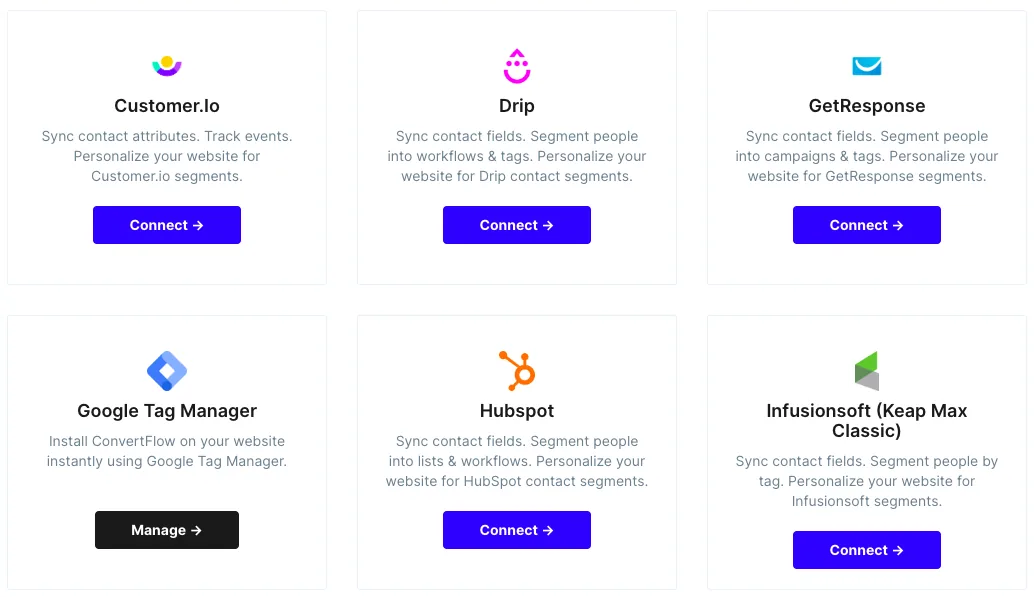
Head to your ConvertFlow website's Integrations area and click to connect with HubSpot.
Here's where HubSpot differs from most integrations: there's no API key or token to generate. HubSpot connects over OAuth, so you simply grant the ConvertFlow HubSpot app access to your account.
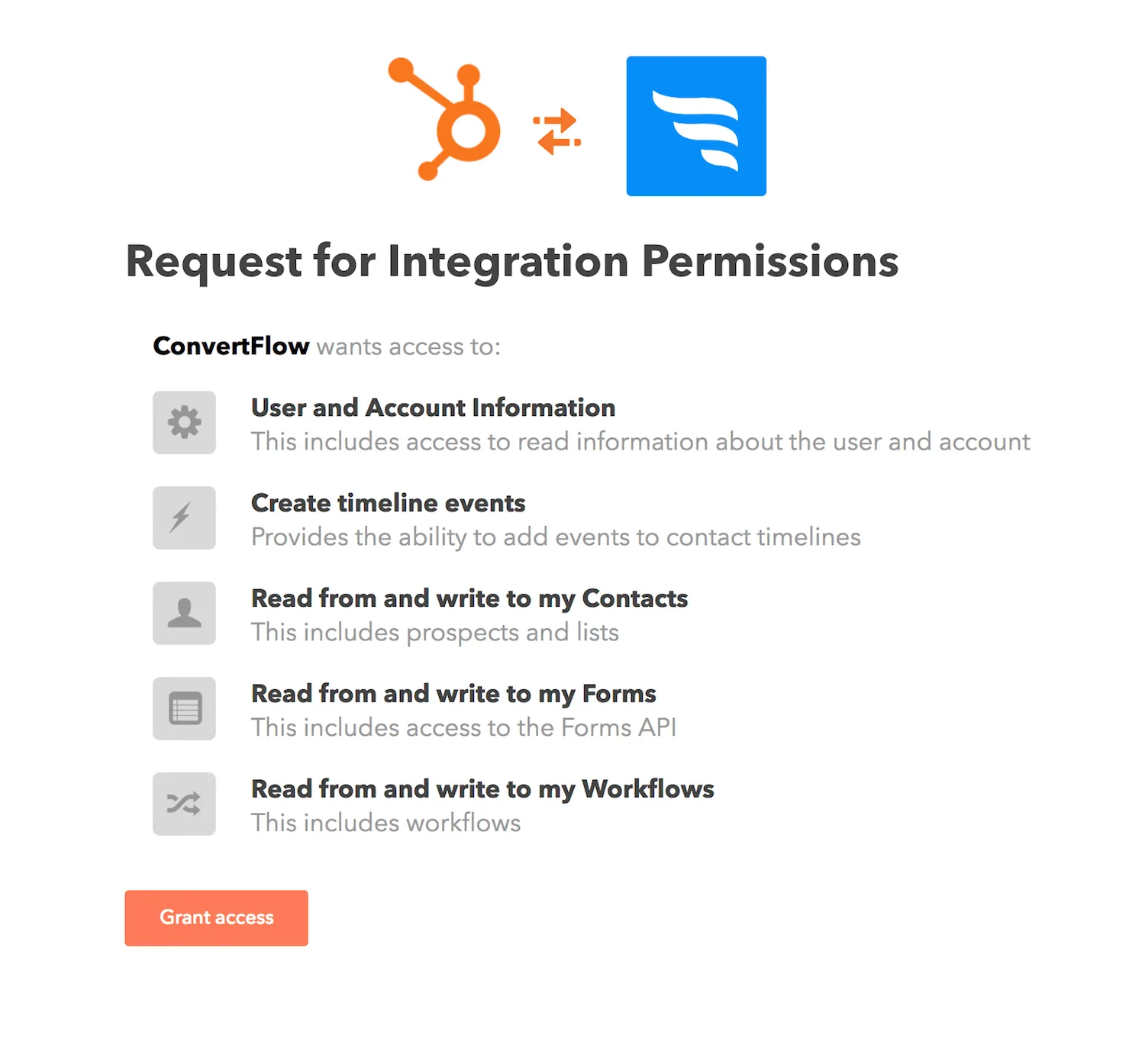
That also means the connection is scoped by whatever permissions the granting user has, and it can be revoked from HubSpot's side without touching ConvertFlow — worth knowing if the person connecting isn't the person who'll own the account long term.
Once connected, ConvertFlow starts pulling in your HubSpot lists, forms, contact properties and workflows — a wider set than most integrations expose — so you can trigger automations and segment leads in HubSpot as visitors submit your ConvertFlow forms, landing pages and surveys.
2. Add a form to your campaign
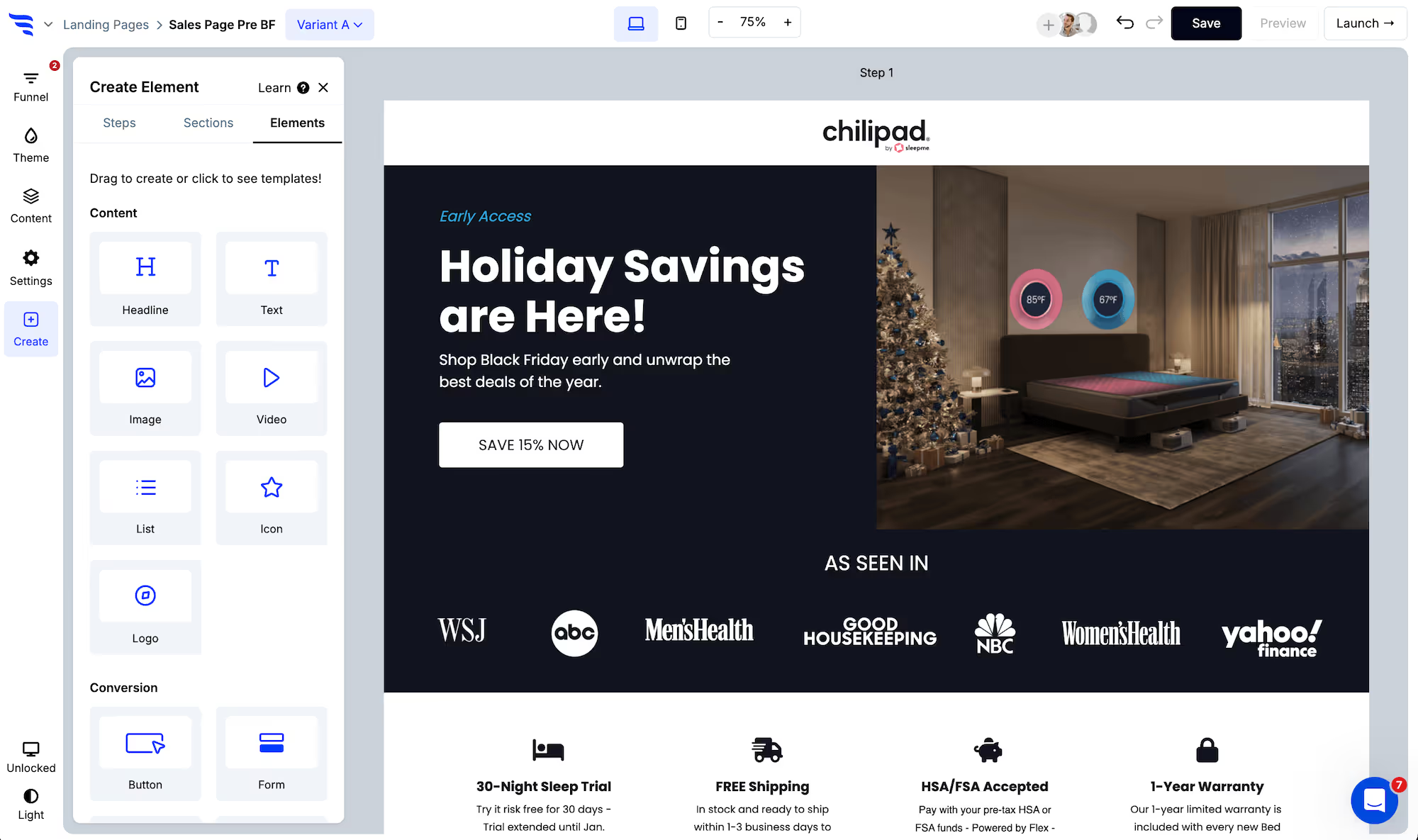
Add your HubSpot form to a ConvertFlow landing page, popup or embed. Click to add an element and choose the "form" element type — start from a form template or build from scratch.
.avif)
3. Toggle the contact fields you want
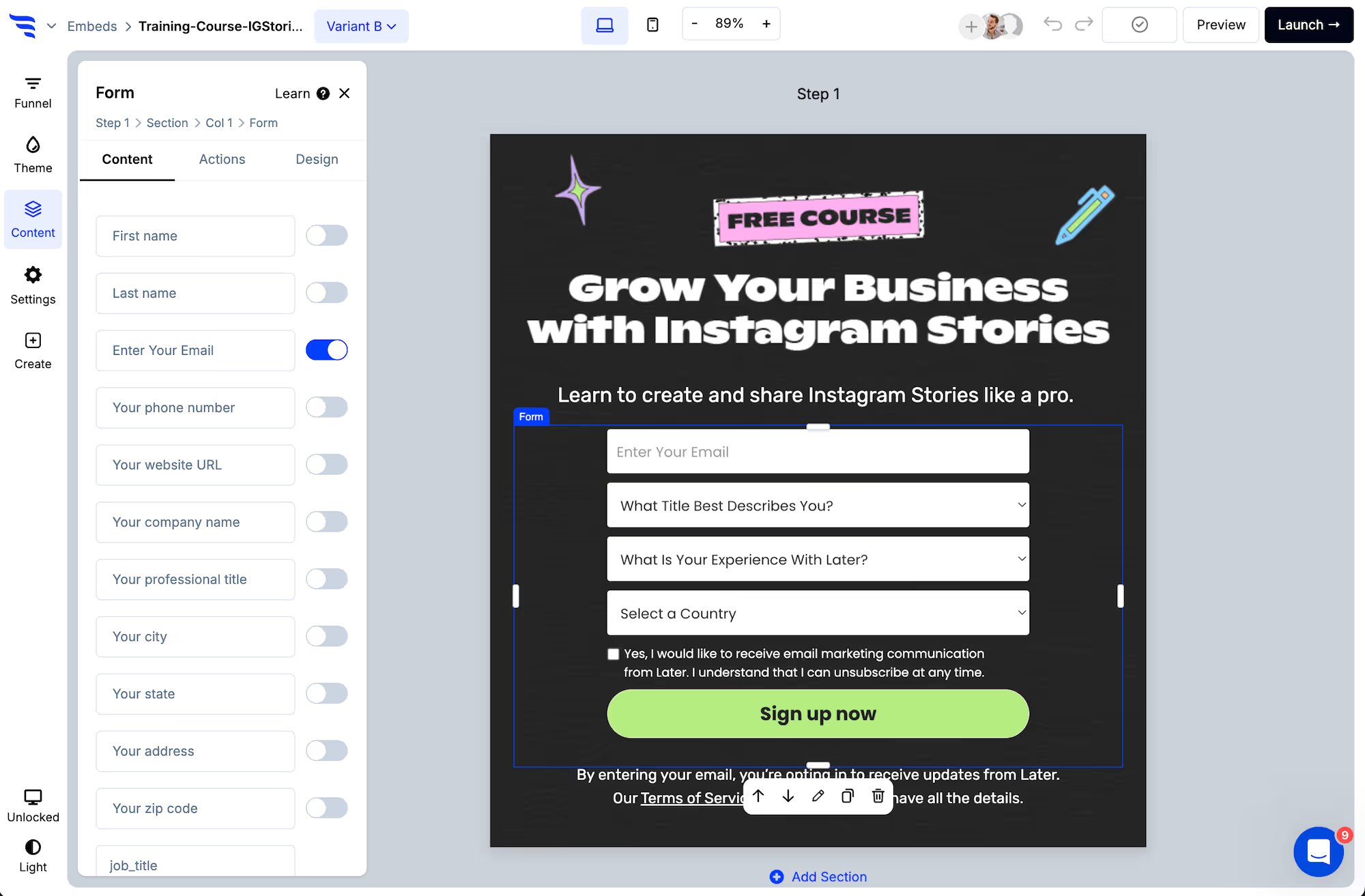
Select the form element and switch on the contact fields to request. ConvertFlow's preset fields are already configured to send to your integration's contact fields — first name and email address map to HubSpot automatically.
.png)
Each field can be edited from the builder panel — placeholder text, label, required state and more.
.avif)
4. Verify emails and phone numbers before they reach HubSpot
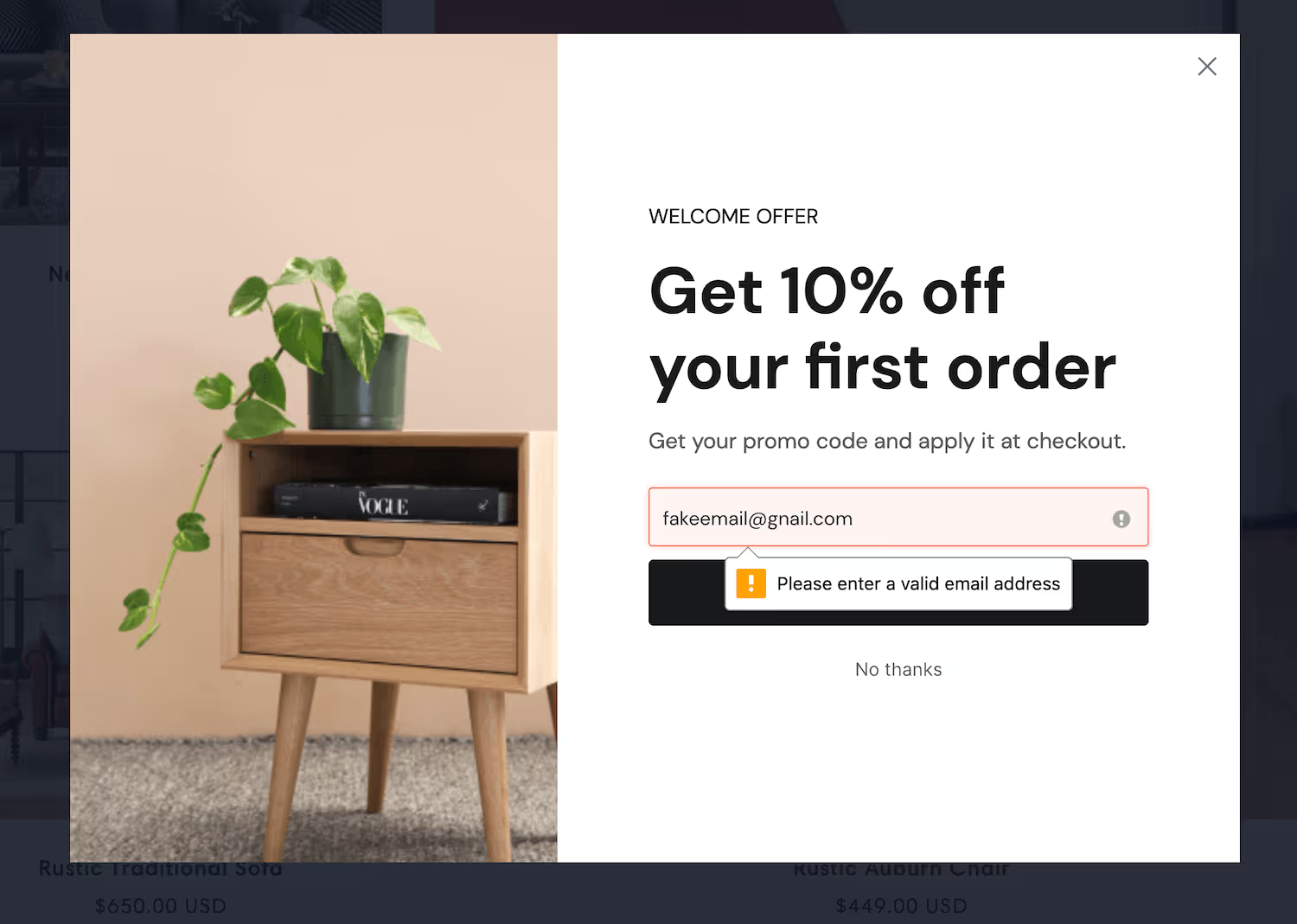
ConvertFlow can check that an entered email address exists with its provider before the contact syncs. In HubSpot that matters more than most places: a fake address becomes a contact record, counts toward your marketing contacts tier, and enrols in a workflow that goes nowhere.
Pro tip: toggling email validation also exposes an option to allow business emails only — useful if you're filtering out personal addresses on a B2B form.
Phone verification does the same for numbers and formats them to the international E.164 standard.
5. Add consent checkboxes
Scroll below the preset contact fields to find compliance checkboxes:
- Privacy consent: link to your privacy policy and terms of service alongside a required checkbox.
- Marketing consent: if your form gates content but also opts the contact into ongoing marketing, collect consent for it.
- SMS consent: require consent to SMS marketing with the required disclosures.
Consent values can be sent to the contact's record in HubSpot by mapping these preset fields in your integration settings.
6. Add custom fields and map them to HubSpot properties
By clicking to add a field at the end of the fields list, you can add as many custom fields as you'd like.
.avif)
When naming the field, select from "HubSpot fields" — a dropdown of the contact properties that already exist in your HubSpot account. ConvertFlow will send the value collected by this form into that property.
The property needs to exist in HubSpot first. If you're building a form around a new attribute, create the contact property in HubSpot before you start and it'll be waiting in the dropdown.
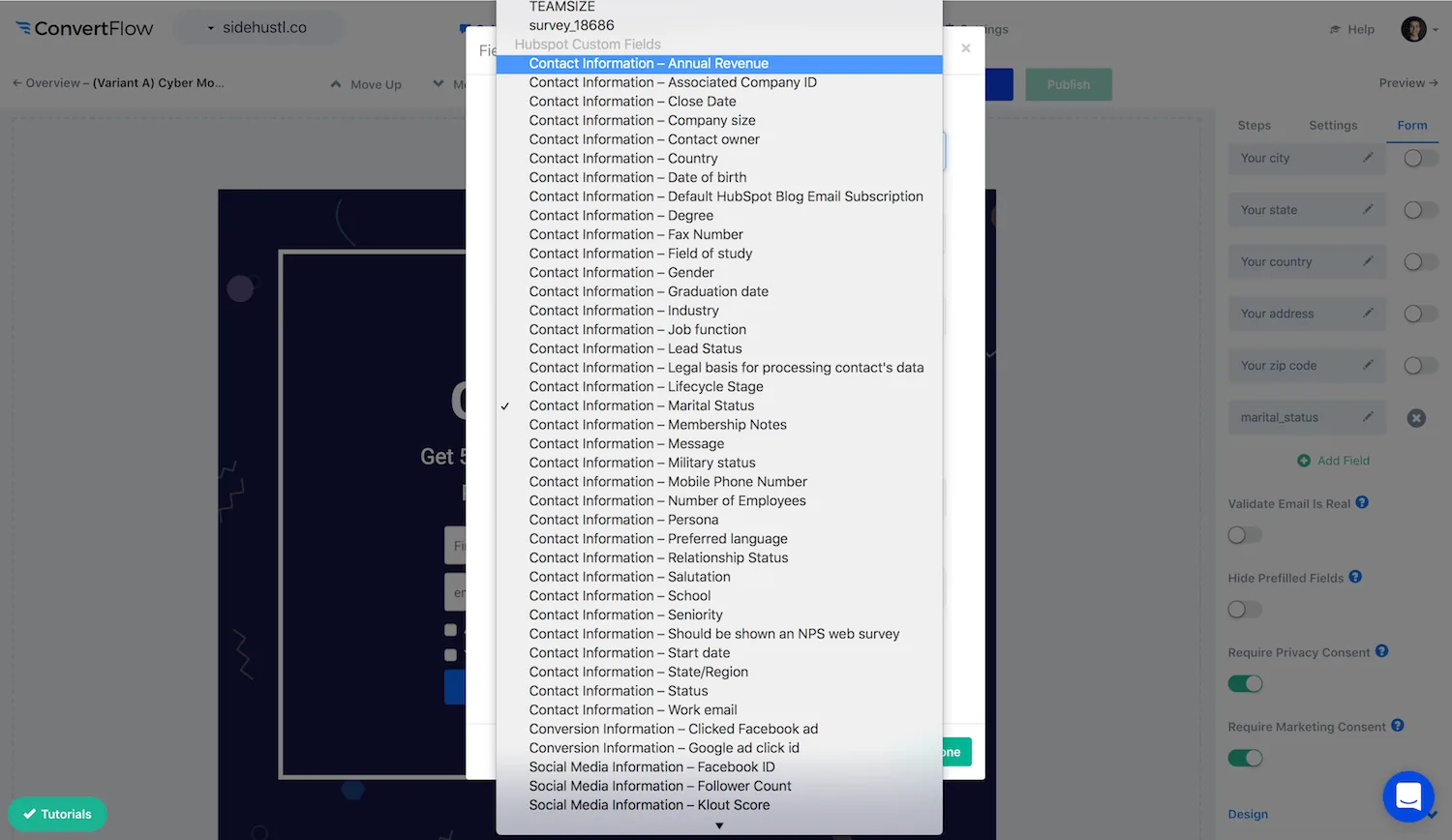
Choose the field type — text, dropdown, radio selection, paragraph or hidden. Dropdown and radio options can carry score values, which is useful for qualifying a lead before it reaches a HubSpot workflow.
One HubSpot-specific caution: if the property is an enumeration in HubSpot, the values you send need to match its defined options. Keep your ConvertFlow answer values aligned to HubSpot's internal option values rather than the display labels.
7. Map survey and quiz answers to HubSpot
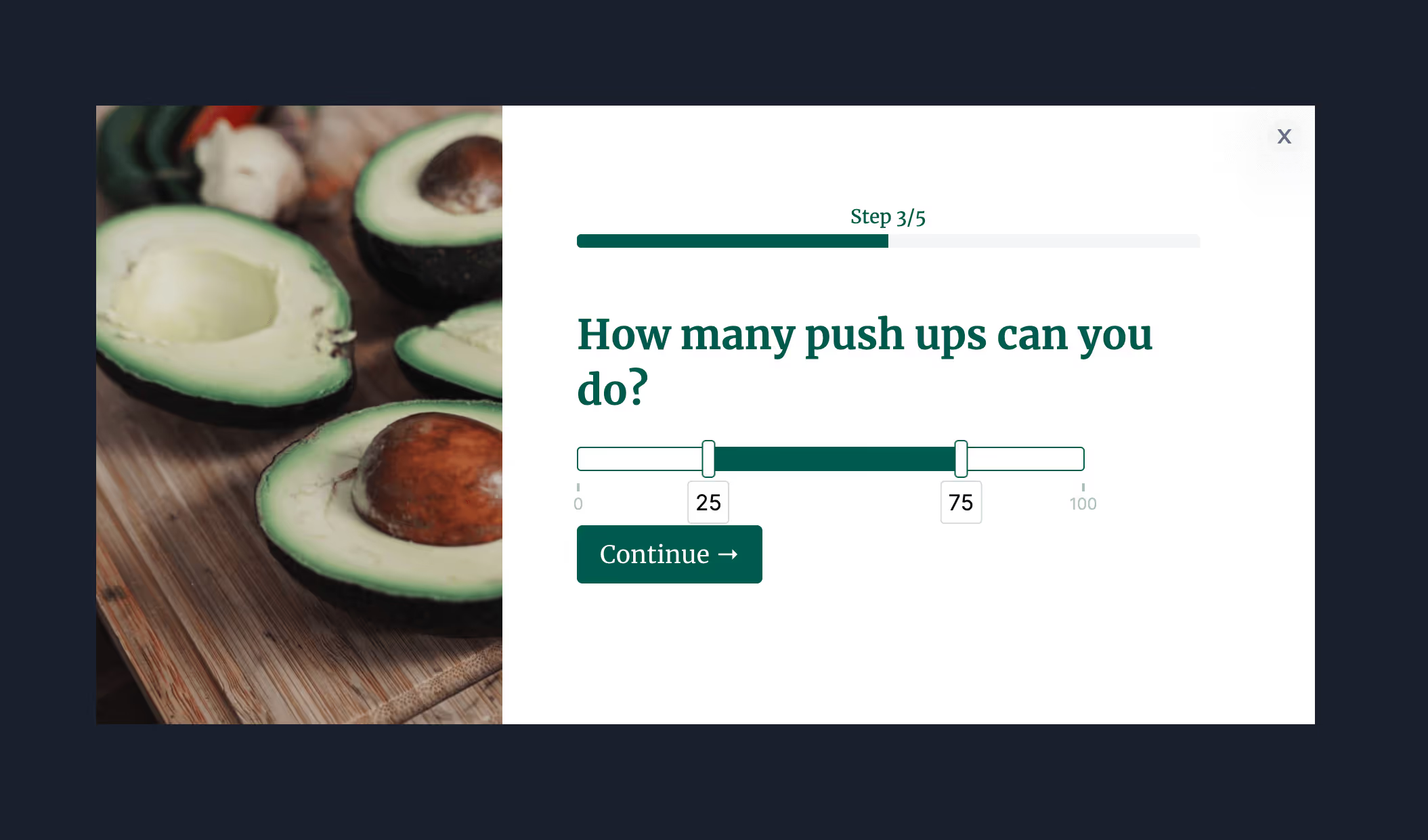
Survey elements have a "Map to custom field" dropdown in the builder panel, where you select from your HubSpot contact properties. Each answer is written to the contact's HubSpot record — which is what makes answer-based lists and workflow enrollment possible.
8. Map ConvertFlow's preset fields to HubSpot
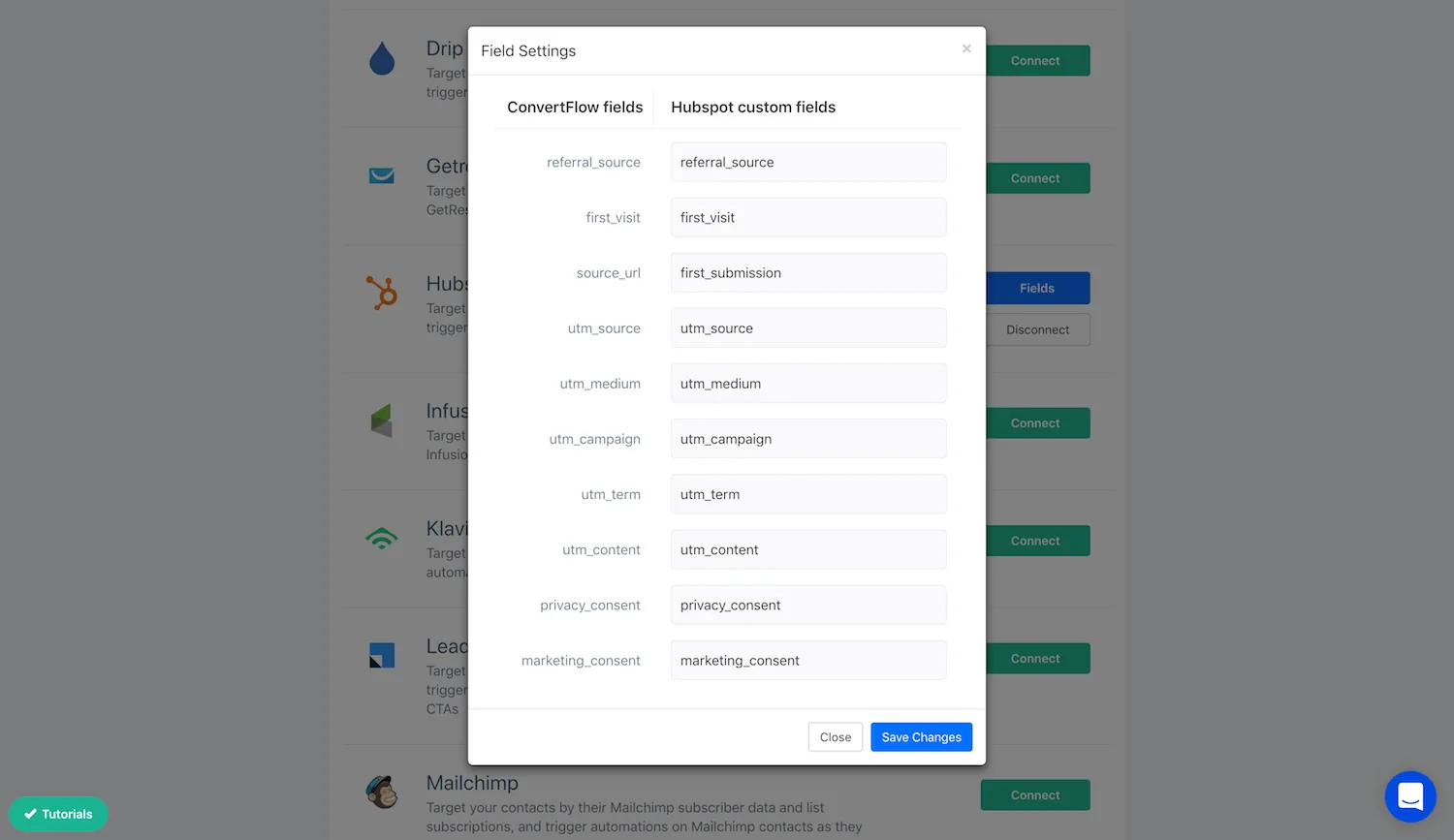
With HubSpot connected, your Integrations page shows a Fields button. Click it to map ConvertFlow's preset contact fields to HubSpot properties.
Enter the internal name of the HubSpot property — the lowercase, underscored version, not the display label you see in the HubSpot UI. This trips people up: a property shown as "Job Title" may have an internal name of jobtitle. First name and email address are already mapped for you.
9. Resync when you add something new in HubSpot
If you've just created a new list, workflow or contact property in HubSpot and it isn't appearing in ConvertFlow's dropdowns, refresh the integration to pull the latest account data.
10. Style the form to match your site
In the Design tab, set spacing, field layout, width, fonts, button colour and roundness, field colour and shadows — so the form looks native to your site rather than an embedded HubSpot form.
.avif)
11. Configure what happens on submit
In the Actions tab, choose what follows submission — redirect to a URL, jump to another funnel step, display a thank-you message, or open a popup.
.avif)
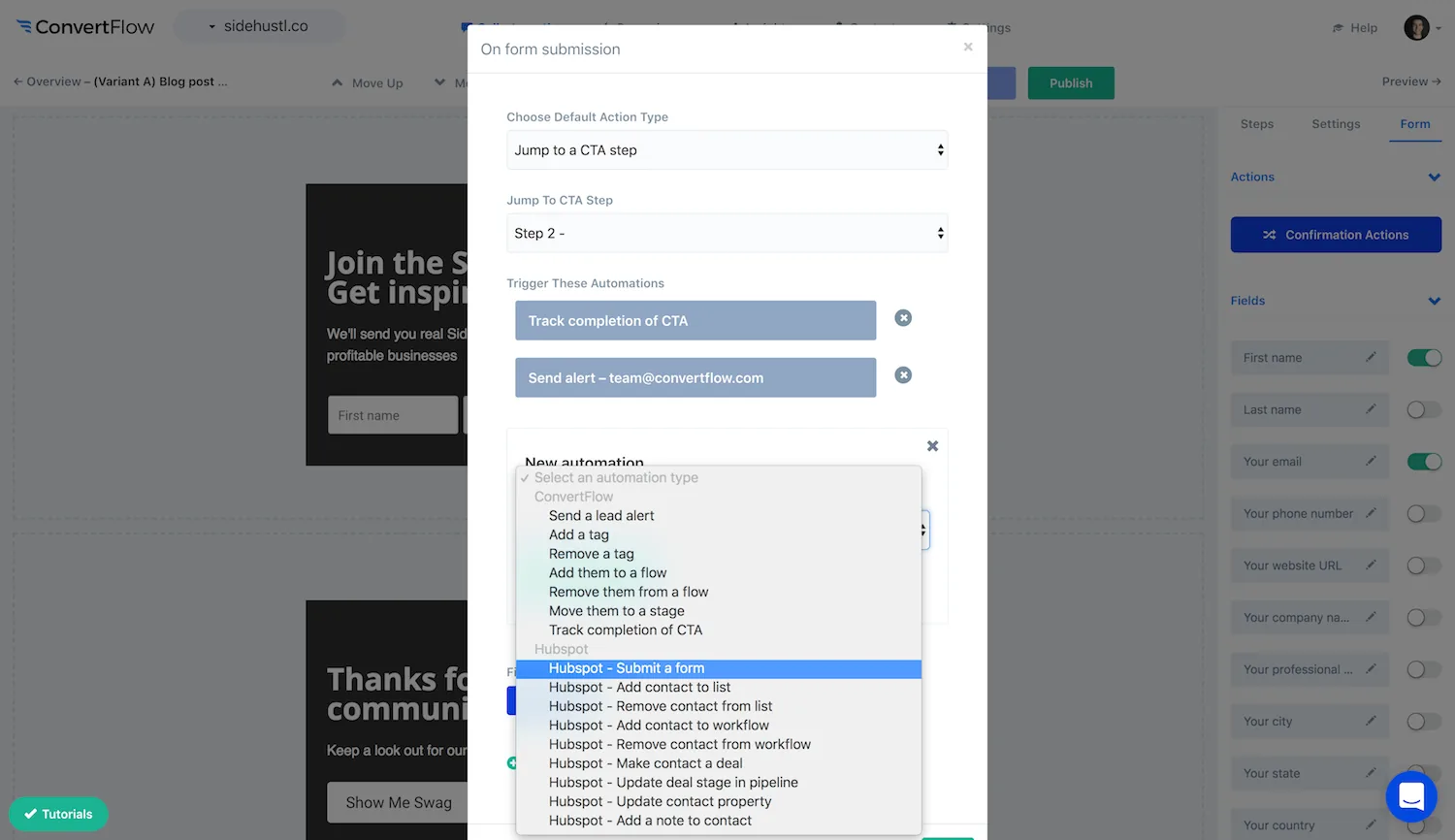
Alongside the default action, add automations that fire on submit — adding the contact to a HubSpot list, or enrolling them in a HubSpot workflow. Both are in the dropdown because ConvertFlow pulled them in when you connected.
Conditional actions are where this pays off for B2B: route by field value so an enterprise-sized company enrols in a different workflow than a sole trader, and a lead outside your ICP goes somewhere else entirely.
.avif)
12. Report on submissions
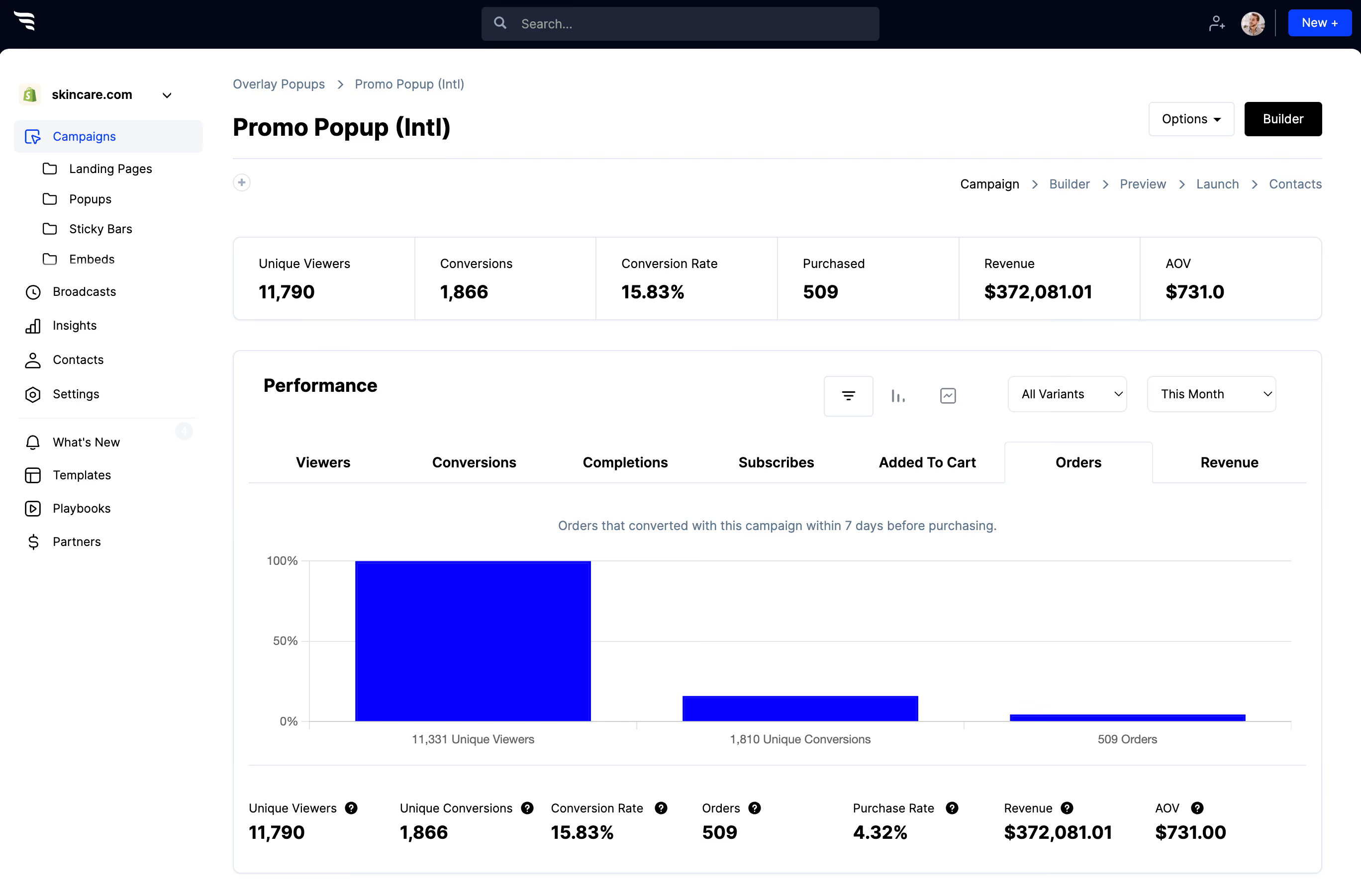
The funnel breakdown report shows how many people saw, converted and completed the form, where they dropped off, and which answers they selected — so you can see which qualifying question is costing you leads before the contact ever reaches HubSpot.
.avif)
13. Segment and personalize for HubSpot contacts
Once answers are landing on HubSpot contact properties, build lists on those values and enrol them in the right workflows.
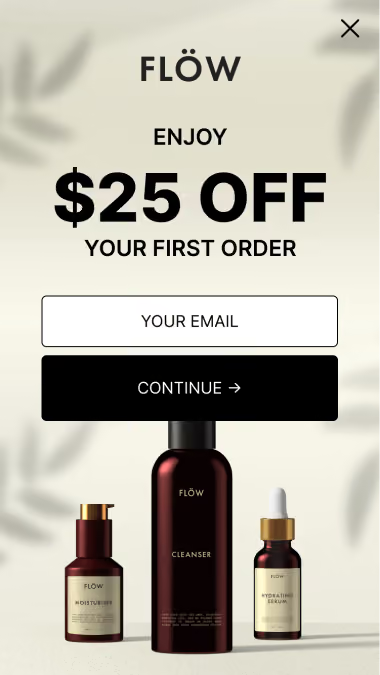
ConvertFlow can also read your HubSpot contact segments and personalize your website for them — so a returning contact already in a nurture sequence sees the next step rather than the same capture form.



%20(1).avif)






.svg)
