



Client intake is a first impression
For a professional services business — a clinic, a studio, a law or accountancy practice, an agency — the intake form is often the first thing a client experiences after deciding to work with you.
That raises the stakes past conversion rate. A form that feels bureaucratic sets the tone for the relationship. One that's clear and quick suggests the rest will be too.
What client intake needs that generic forms don't
- Conditional questions by service. Practices offer several things, and each needs different information.
- Contact details first. A half-finished intake form is a client you can still call.
- Answers on the record. Whoever takes the first appointment should open a completed file, not a transcript.
- A booking at the end. Intake without a scheduled appointment is a lead you have to chase.
Step 1: Decide what changes what you do
Before building, go through your current intake questions and ask which answers actually alter something — who takes the client, what the first appointment covers, what you prepare.
Most established intake forms carry questions nobody reads, usually added years ago by someone who has since left. Each one costs completions, and on client intake an abandoned form is a lost client rather than a lost lead.
Step 2: Build it across steps
.avif)
.png)
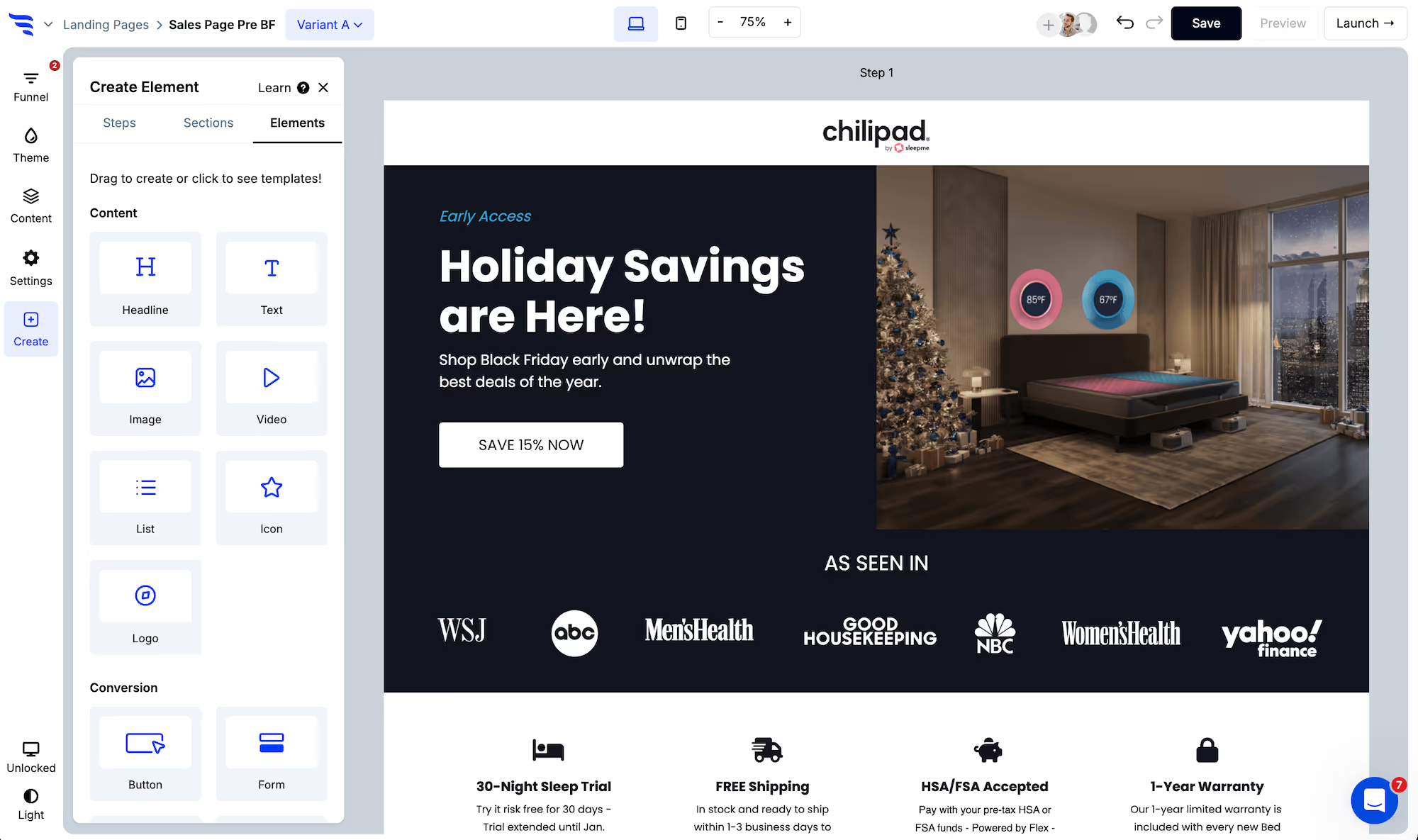
Name and contact on step one. Service type on step two — that answer drives everything after it.
.avif)
Step 3: Verify email and phone
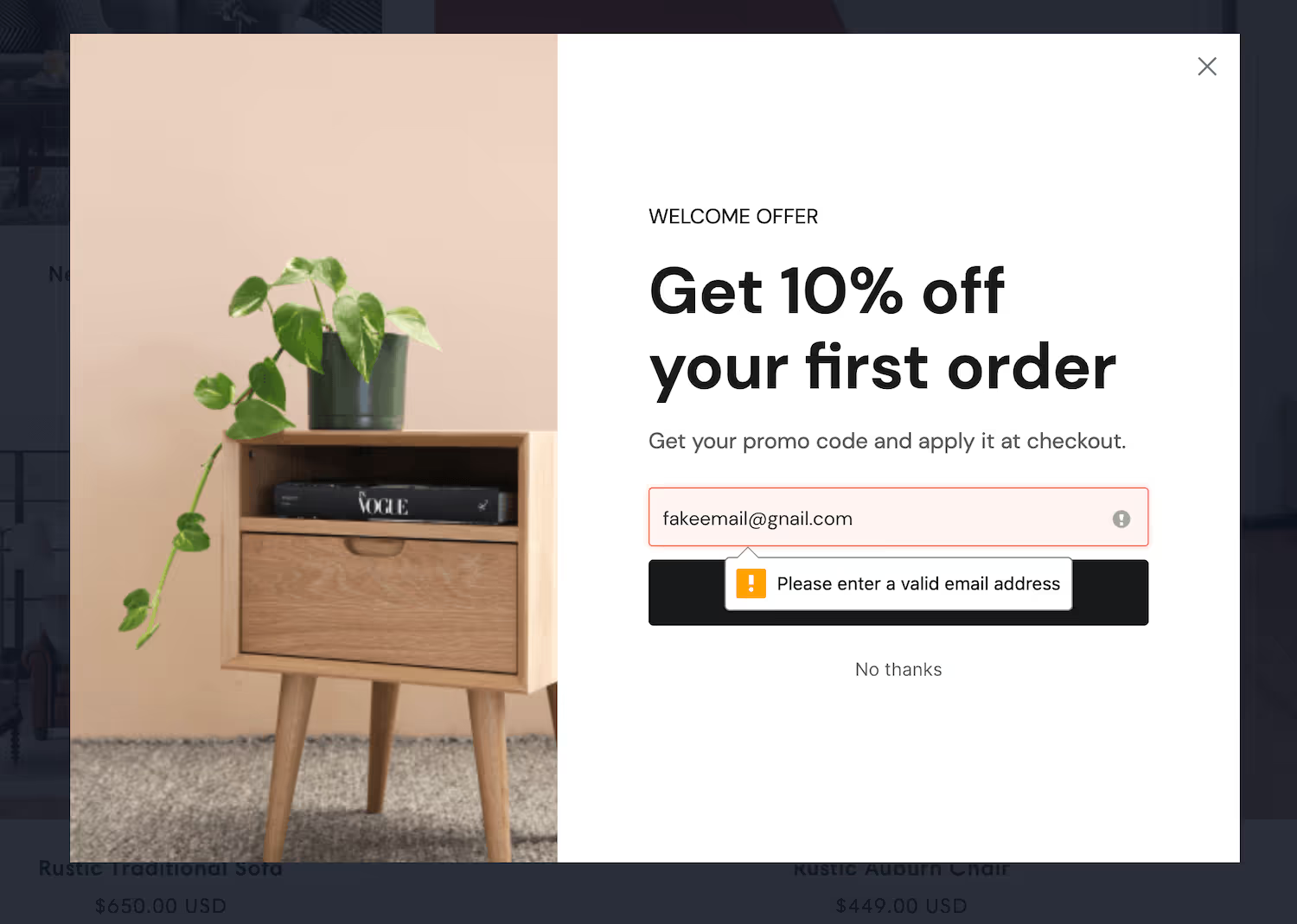
Professional services follow up by phone more than most businesses. A mistyped number is a client who completed intake and then can't be reached — and who assumes you didn't bother.
Step 4: Branch by service type
.avif)
.avif)
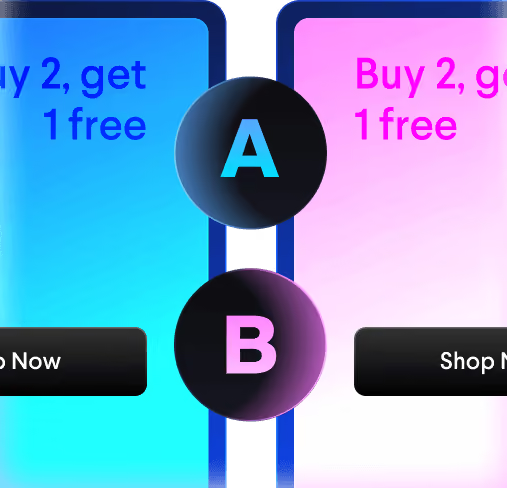
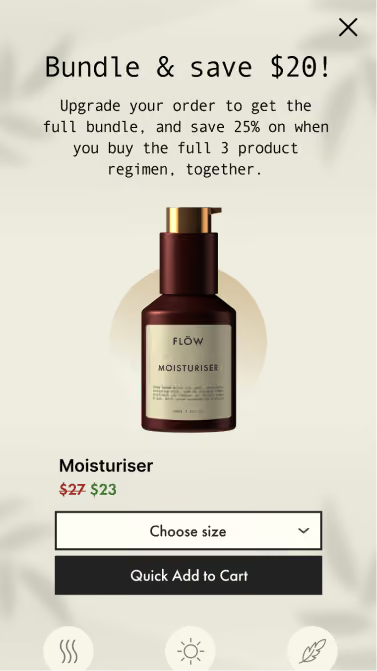
One form, several paths. A client selecting one service answers four questions; another selecting something else answers a different four — and neither wades through the other's.
Step 5: Write everything to the client record
.avif)
Map each answer to a field in your CRM or practice management system.
The difference this makes is practical: the person taking the first appointment reads a structured record in thirty seconds instead of scrolling an email and retyping it.
Step 6: Route by who should take it
.avif)
Conditional actions can assign the enquiry, tag the record, and notify the right person — decided at submit rather than by whoever opens the inbox next.
Step 7: Book the appointment on submit
Put a calendar on the confirmation step.
Intake that ends with "we'll be in touch" creates a gap you then have to close by chasing. Intake that ends with a booked appointment doesn't.
Step 8: Read the drop-off
.avif)
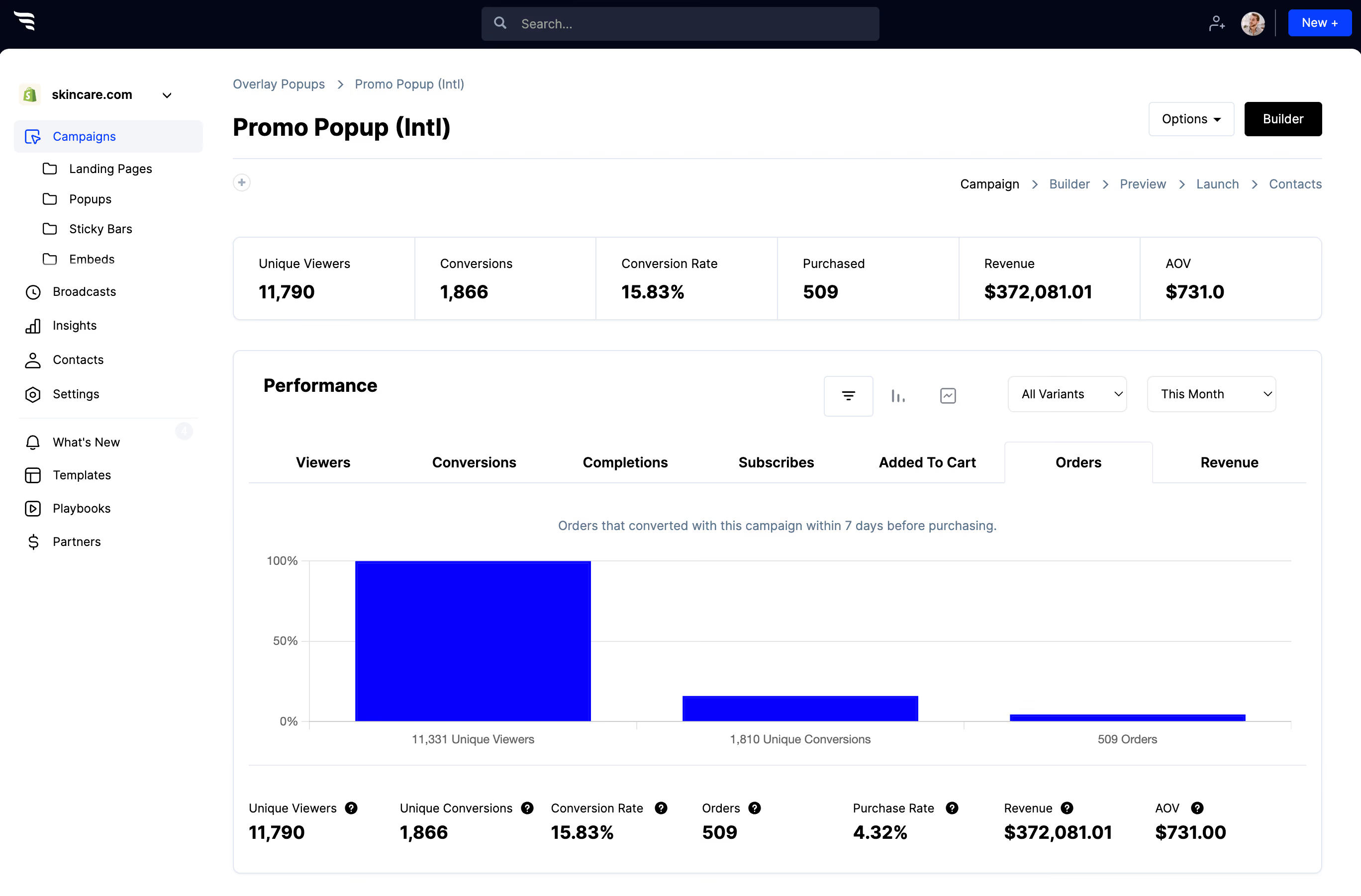
The step with the steepest drop is too personal, too early, or badly worded. On client intake that's usually a question about history or budget placed before you've earned it.



%20(1).avif)






.svg)
