



Intake forms have a different problem
Most form advice says ask less. Intake is the case where that breaks down — you genuinely need the answers before the first appointment, and asking on the call wastes the appointment you're trying to protect.
So the goal isn't a shorter form. It's a longer form people finish.
Three techniques do almost all of the work.
1. Split it across steps
Ten questions on one page look like paperwork. The same ten across four steps look like a sequence, and the completion difference is large.
There's a second benefit that matters more: put contact details on step one. Someone who abandons at question seven is still a contact you can follow up. On a single-page form they're nothing at all.
2. Ask conditionally
Intake questions are rarely universal. A new client needs different questions from a returning one; one service needs details another doesn't.
Conditional steps mean nobody answers questions that don't apply to them — which is how the form gets genuinely shorter rather than just feeling shorter.
3. Order it deliberately
Easiest first, most sensitive last. People who have answered three questions are far more likely to answer a fourth than to start from nothing, and anything personal belongs after they've invested something.
Step 1: Build the form
.avif)
.png)
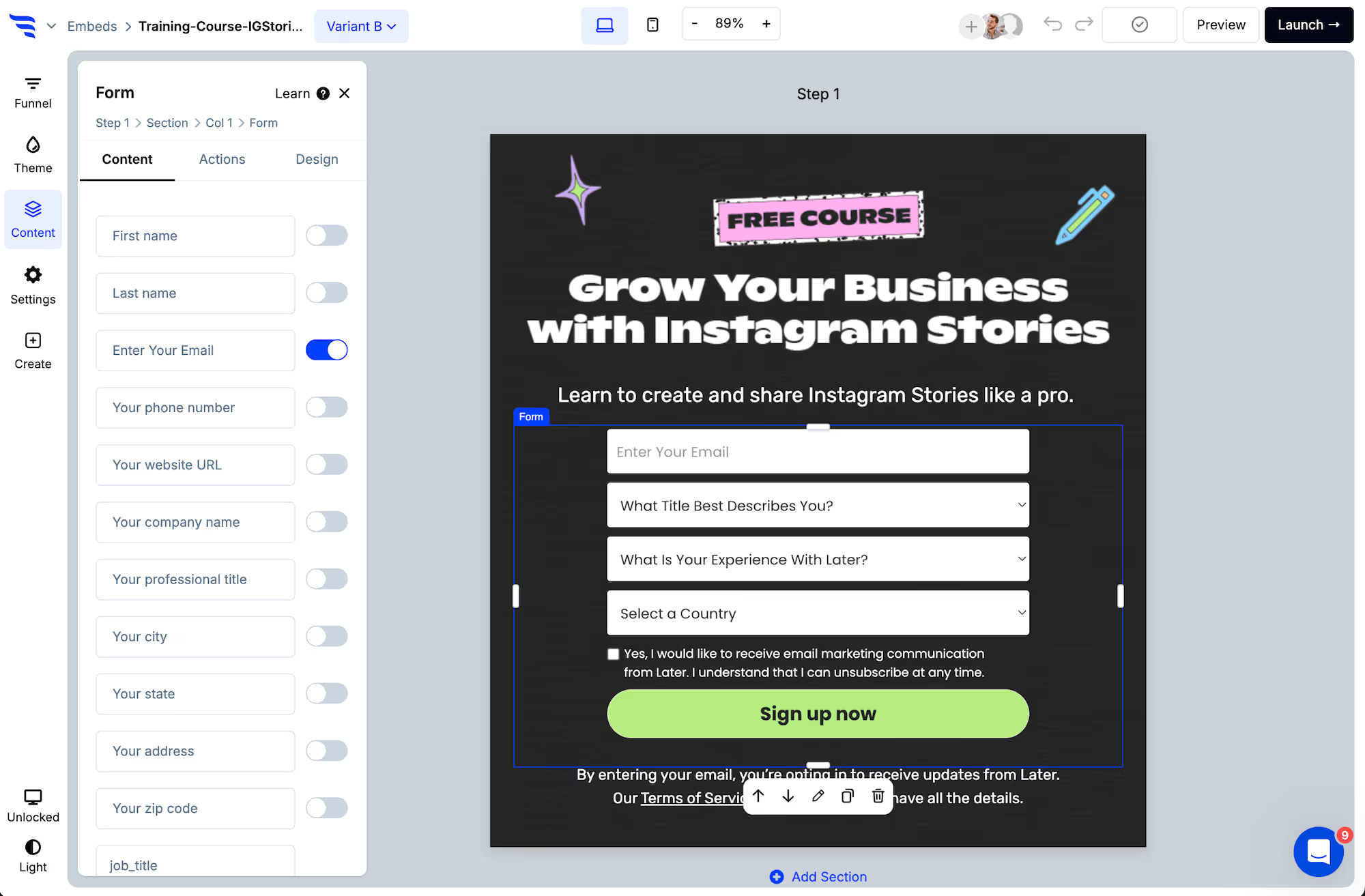
Toggle the contact fields on step one, then add custom fields for everything else — text, dropdown, radio, checkbox, paragraph, numerical or range.
.avif)
Keep answer values short and consistent — they become the field values your system stores and filters on, and a sentence is very hard to work with at scale.
Step 2: Verify the contact details

Verification matters unusually much here. Intake is usually followed by a confirmation, a reminder or a call — and a mistyped address means a client who completed your form and then appears not to show up.
Step 3: Show progress
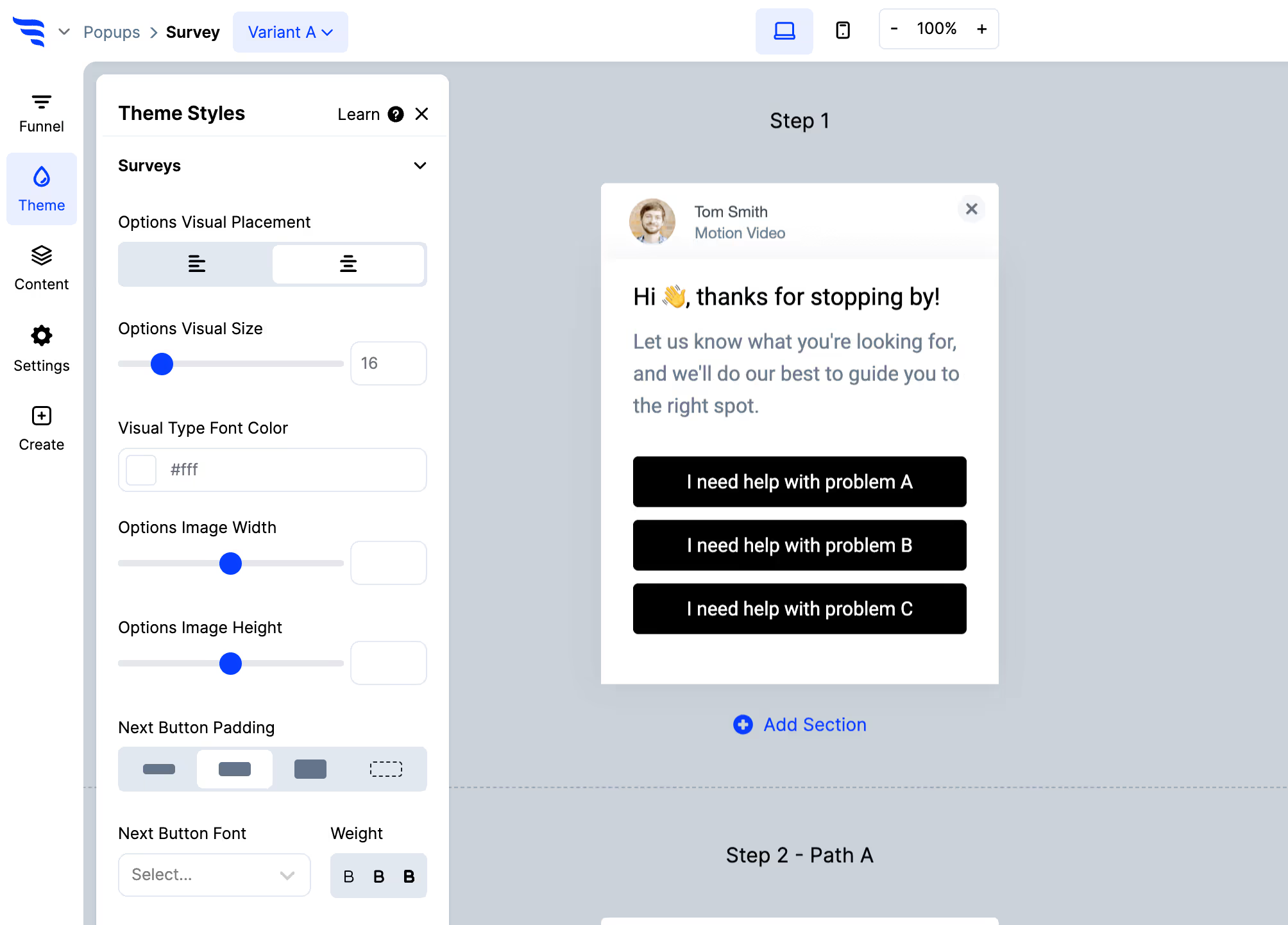
A multi-step intake form without a progress bar is an unknown length, and unknown length is exactly the anxiety that causes people to close the tab.
Step 4: Branch on the answers
.avif)
.avif)
Skip steps that don't apply, and route different intake types to different follow-ups.
Step 5: Map answers into your system
.avif)
This is the whole point of intake. Every answer should land in a field on the client record — not in a notification email someone has to read and retype.
Done properly, whoever takes the first appointment opens a completed record.
Step 6: Book the next step on the confirmation
Intake usually precedes an appointment. Put the calendar on the confirmation step rather than promising to be in touch — the client is engaged right now, and every hour after that loses some of it.
Step 7: Cut what nobody uses
.avif)
The funnel report shows drop-off step by step, which tells you exactly which question is costing you clients.
Then apply the honest test to every field: does anyone actually read this answer? On intake forms the answer is frequently no for at least two of them — usually questions added years ago by someone who has since left.



%20(1).avif)









.svg)
