



Where embedded forms belong
An embedded form lives inside your page content rather than on top of it. It's always visible, never interrupts, and converts a lower share of views than a popup while costing nothing in goodwill.
That trade-off decides where each belongs. Popups earn attention you didn't have; embeds capture intent you already earned.
The placements that work hardest:
- Below or partway through a blog post — someone reading to that point has already shown interest
- On a resource or pricing page — where visitors arrive with intent
- In the footer — low yield, zero friction, worth having as a fallback
- Inside a sidebar — persistent without interrupting
Step 1: Choose the embed format
When creating a campaign, choose the embedded format so the form renders inline rather than as an overlay.
.avif)
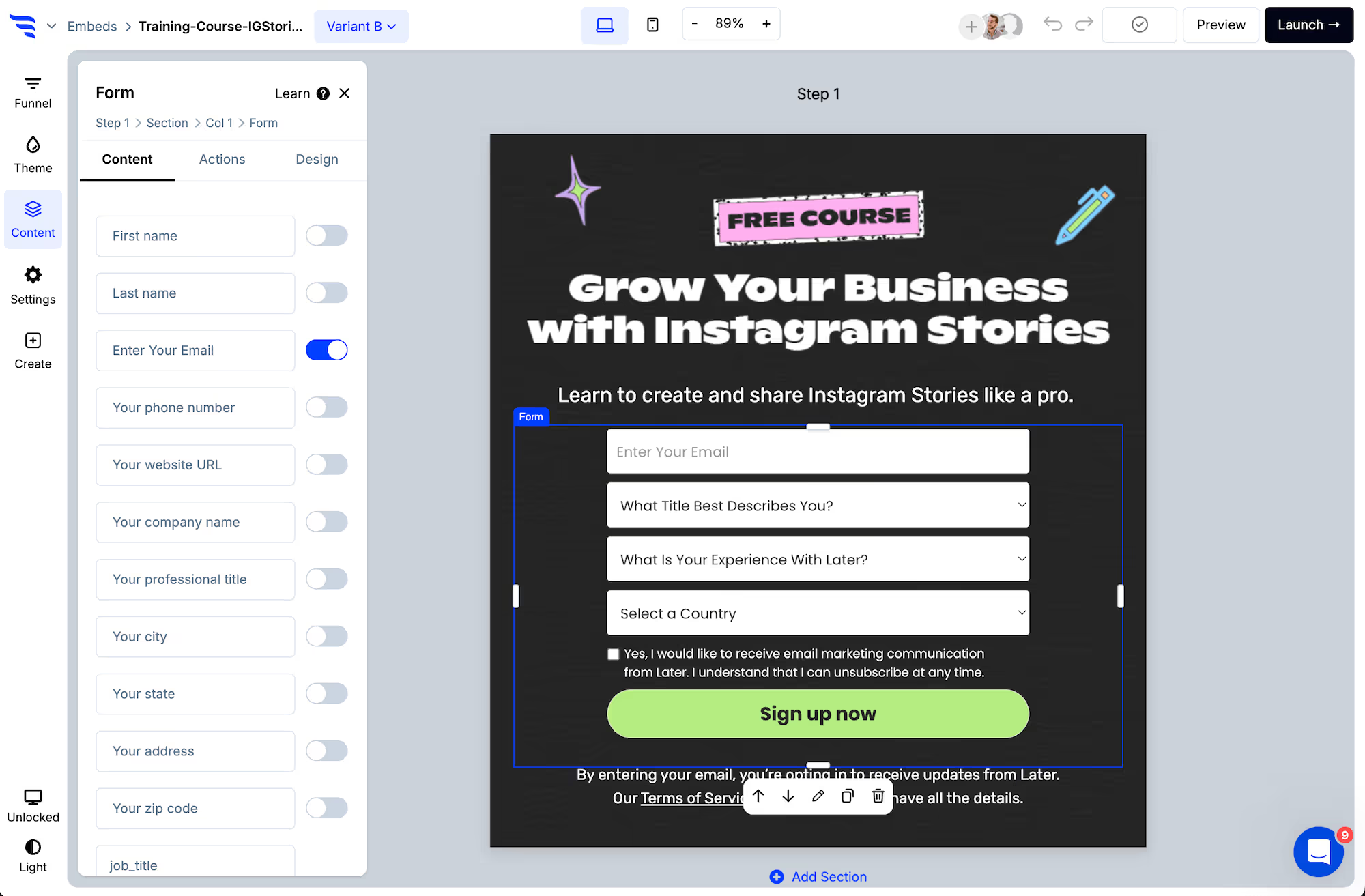
Step 2: Add your fields
.png)
Keep embedded forms shorter than you would a landing page form. Nobody navigated here to fill this in — it's an interruption they chose to notice, and a long field list turns that back into an interruption.
.avif)
Step 3: Match your site exactly
This matters more for embeds than any other format. A popup is understood to be a separate layer; an embed sits inside your content, so anything that doesn't match reads as a third-party widget.
.avif)
Set the theme to your site's fonts, colours and button styling, then check the width behaves inside your content column.
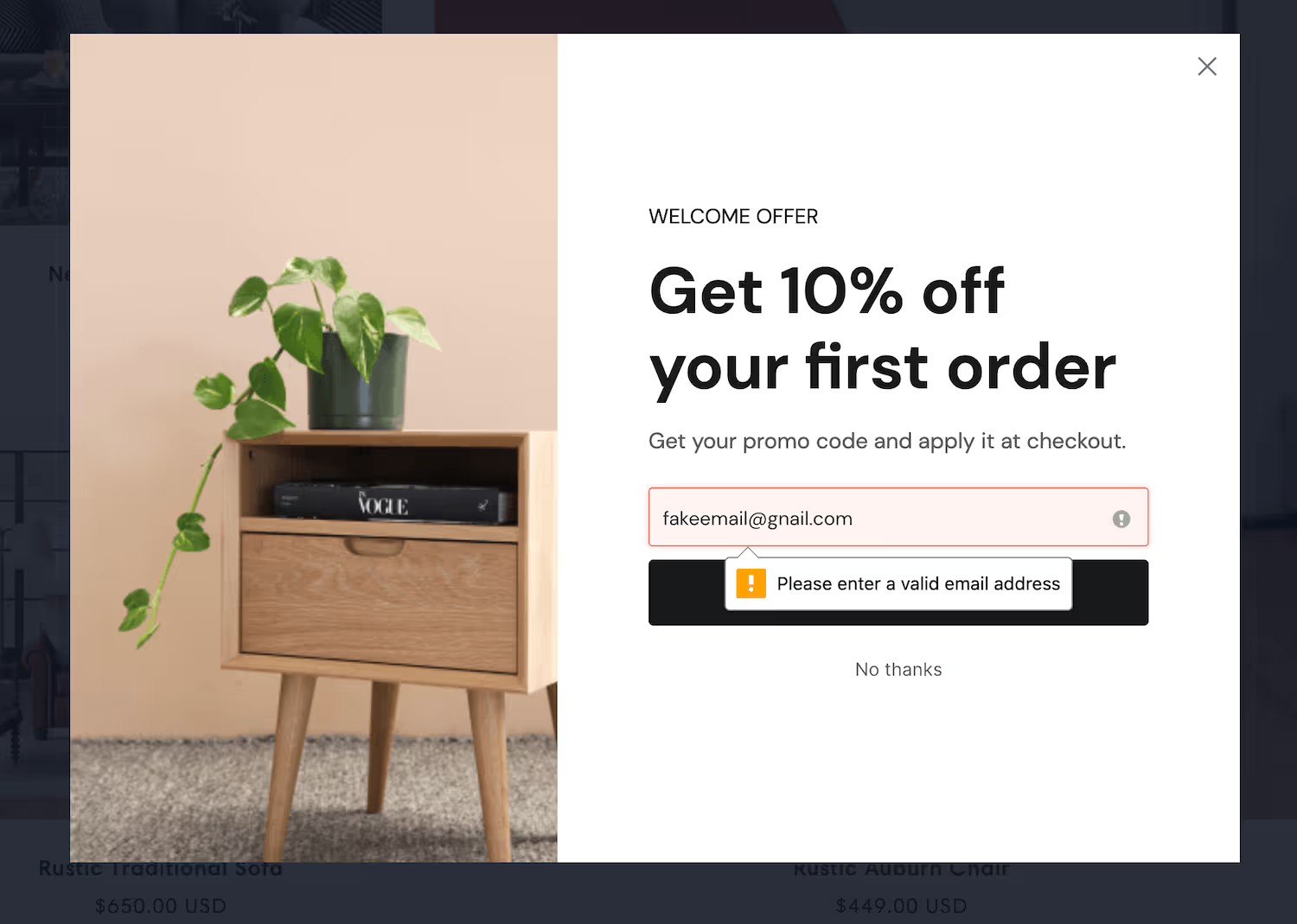
Step 4: Verify the email
Step 5: Sync the submission
.avif)
Add the automation that sends the contact to your email platform or CRM, and use a distinct list or tag per placement — a footer subscriber and a mid-article subscriber are different people.
Step 6: Two ways to place it
Paste the embed code where you want the form to appear. Simple, and fine when the placement is fixed.
Or install the snippet and use an area snippet. You add ConvertFlow's script once, drop an area snippet where forms should render, and then control which form appears there — and to whom — from ConvertFlow, without editing the page again.
The second is worth the extra setup on a content site. It means changing the offer across two hundred posts is one change rather than two hundred.
Step 7: Target the embed
With an area snippet, the same slot can show different forms by page, category or audience — and be hidden entirely from people already on your list.
An embed shown to existing subscribers isn't just wasted, it's a permanent fixture reminding your best readers that you don't know who they are.
Step 8: Measure it against the popup
.avif)
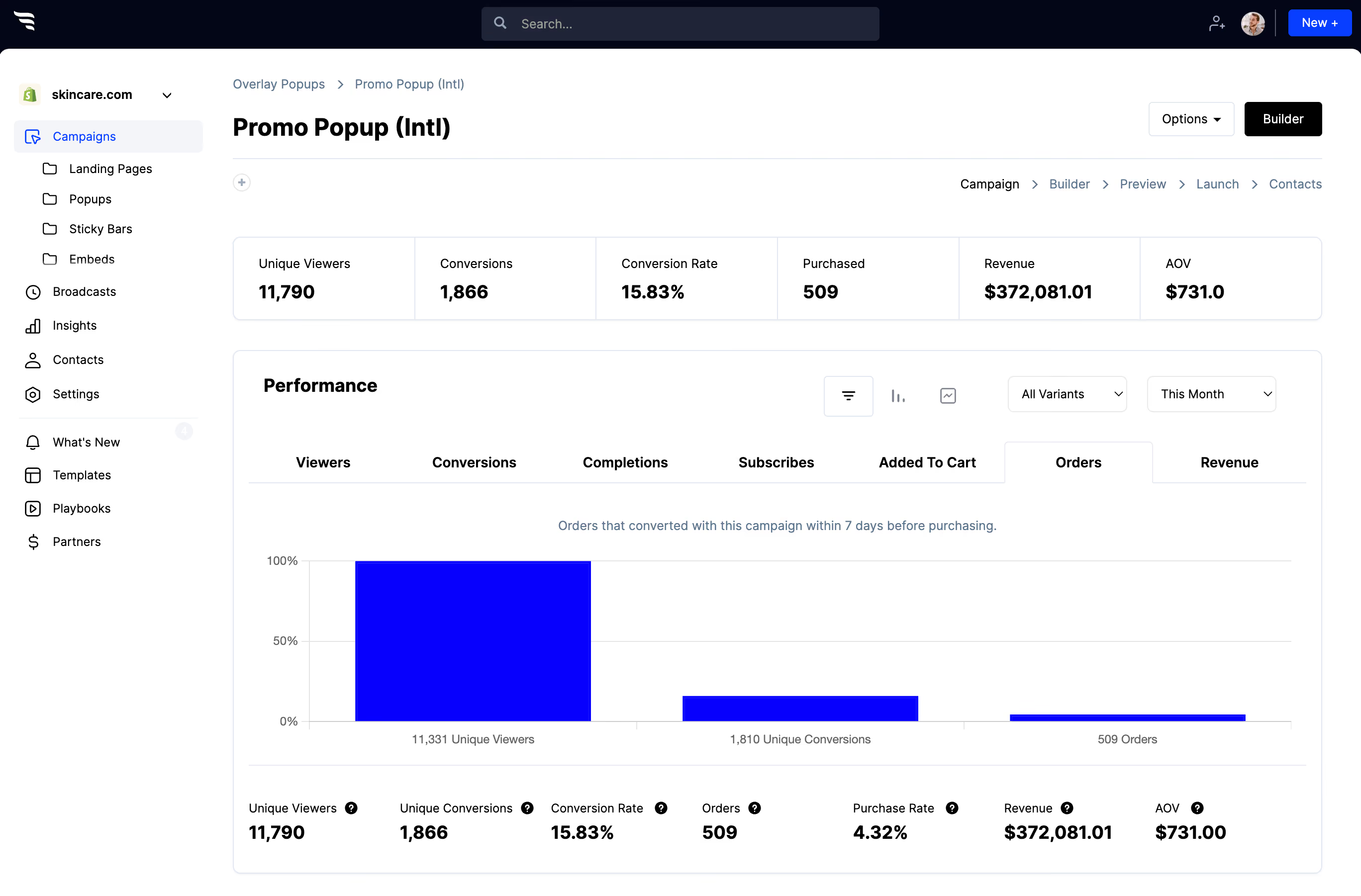
Read views, submissions and per-field drop-off. Compare the embed's conversion rate against your popup honestly — embeds almost always convert lower per view, and that's expected. The question is total subscribers gained across both, not which rate is higher.



%20(1).avif)





.svg)
