



Why splitting a form works
A ten-field form asks for ten things before giving anything back. Someone looks at it, estimates the effort, and a good share of them leave.
The same ten fields across four steps feel smaller, because only the first step is visible when the decision to start is made. That's most of the effect — perceived effort, not actual effort.
There's a second advantage that matters more and gets discussed less. If the email is on step one, someone who abandons on step three is still a contact. On a single-step form they're nothing at all.
Step 1: Decide the order before you build
Two rules cover most cases:
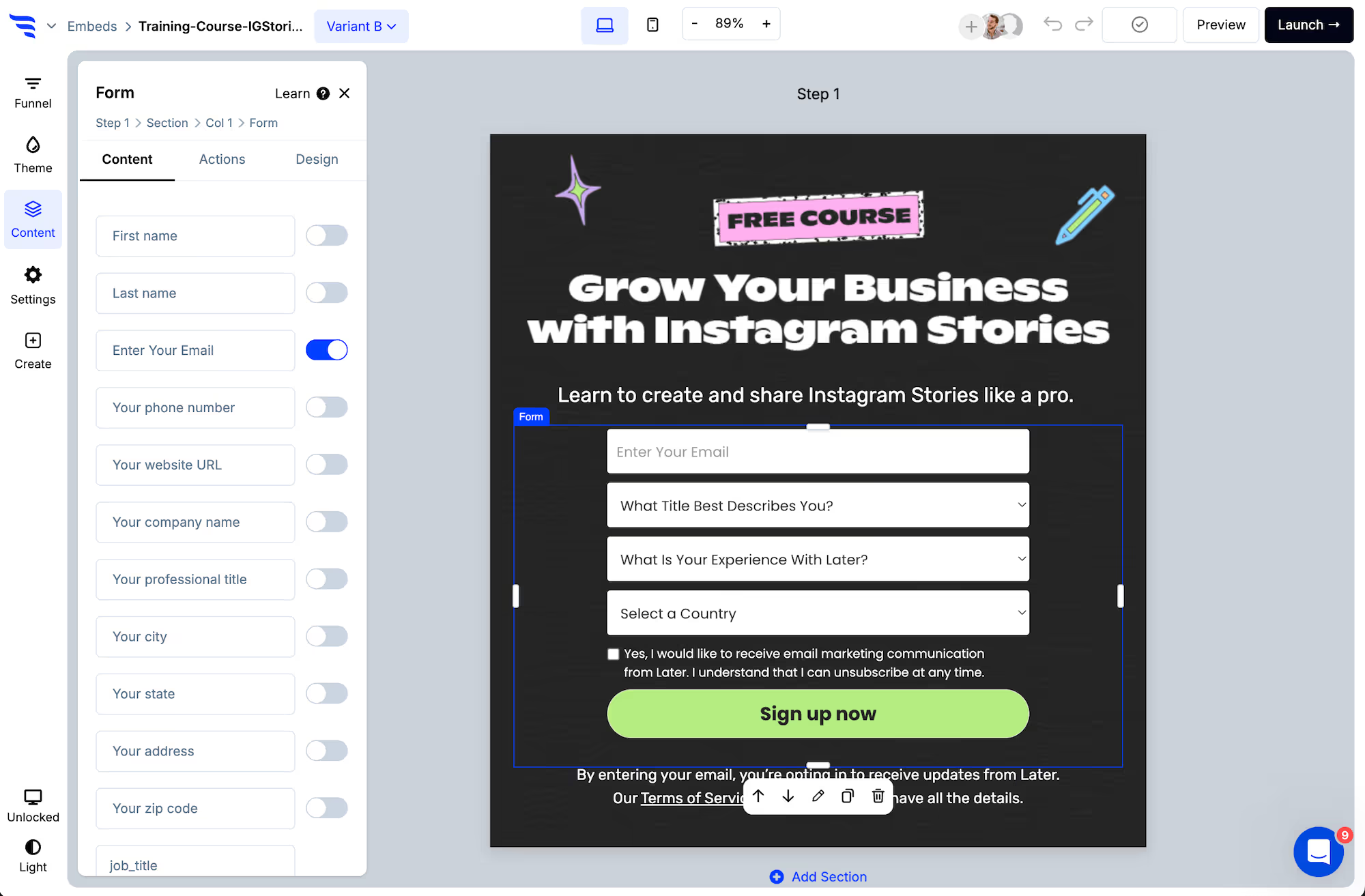
- Email first. Capture the thing you can follow up with before you ask for anything else.
- Easiest questions early, most personal last. Momentum is real — people who have answered two questions are far more likely to answer a third.
Phone number and budget belong late. They're the fields people balk at, and by then they've invested something.
Step 2: Build the steps
.avif)
.png)
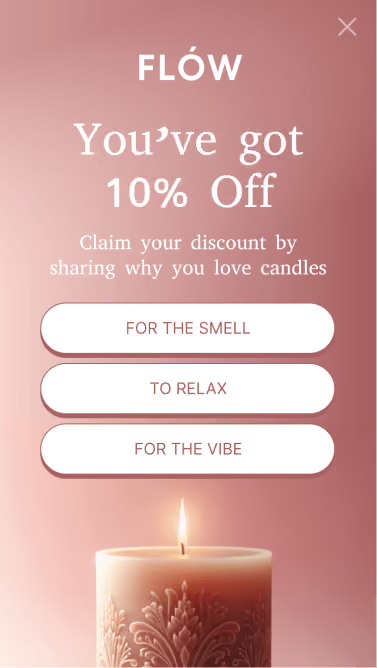
Keep each step to one or two questions. A "multi-step" form with six fields on step one hasn't solved anything.
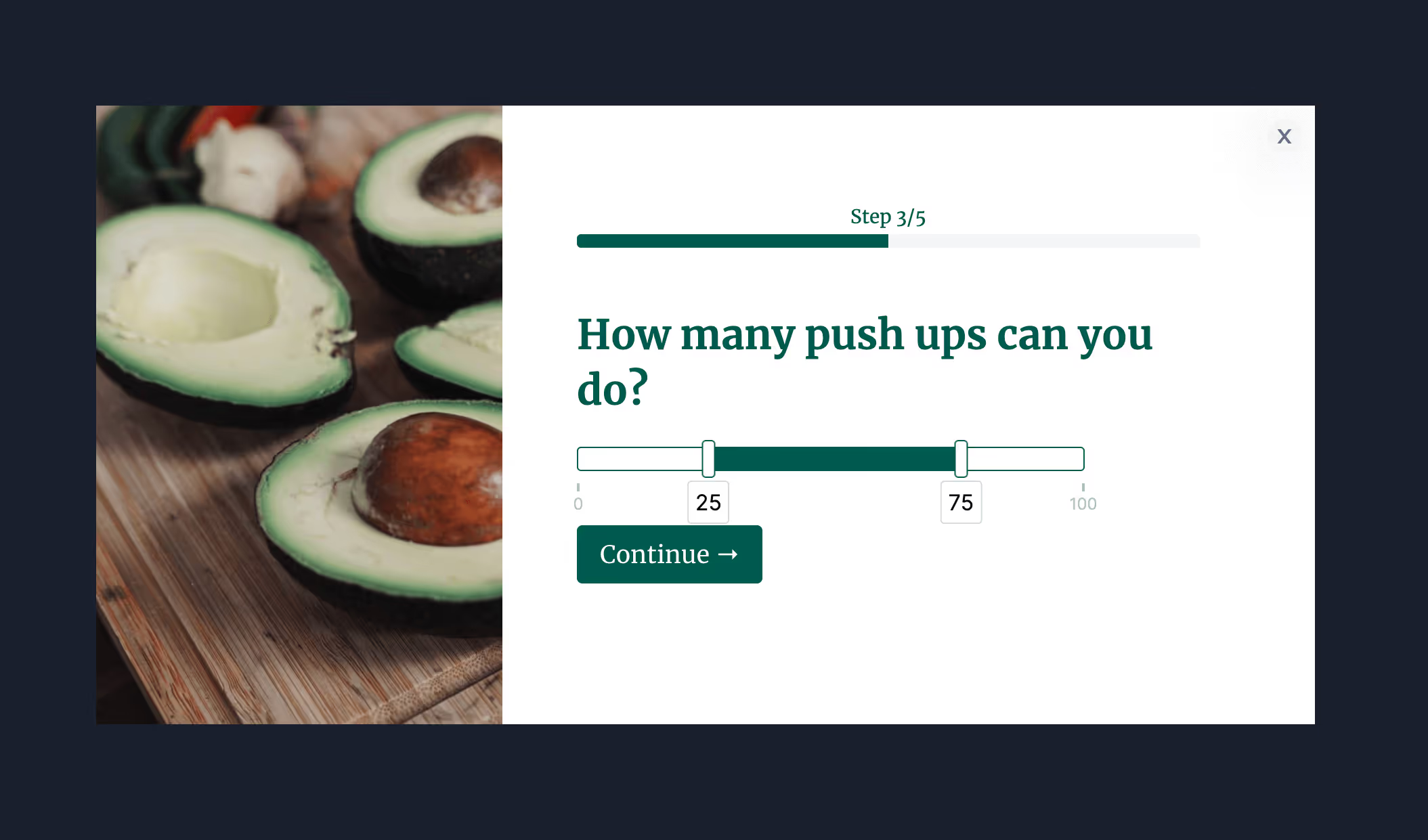
Step 3: Show progress
.avif)
Turn on the progress bar. Without it, a multi-step form is an unknown length, and unknown length is exactly the anxiety you were trying to remove.
Step 4: Skip steps that don't apply
.avif)
Conditional actions let a step be skipped when an earlier answer makes it irrelevant. This is where multi-step gets genuinely shorter rather than just feeling shorter.
.avif)
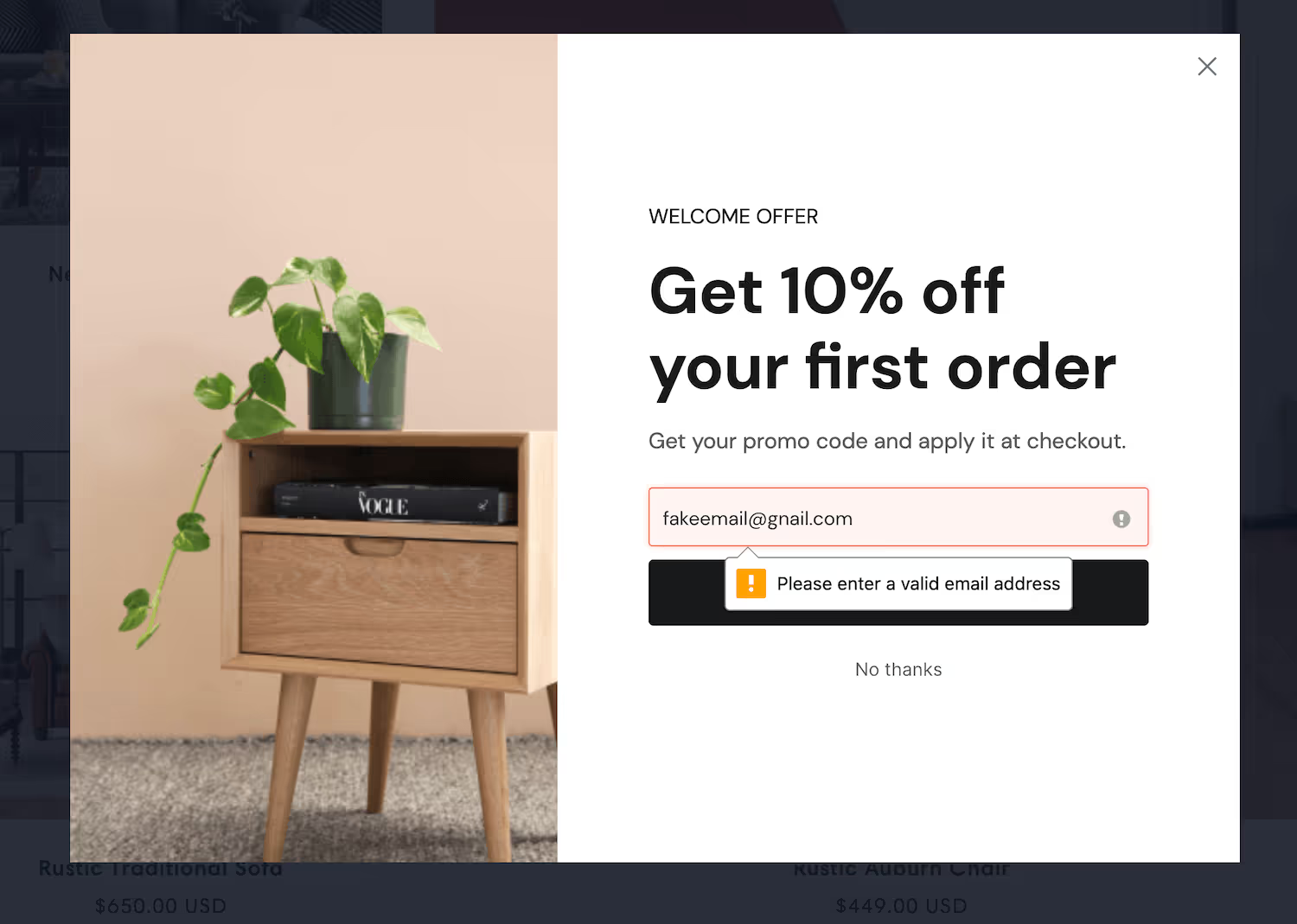
Step 5: Verify and sync
.avif)
Add the automation that syncs the contact to your email platform or CRM.
Step 6: Read the drop-off per step
.avif)
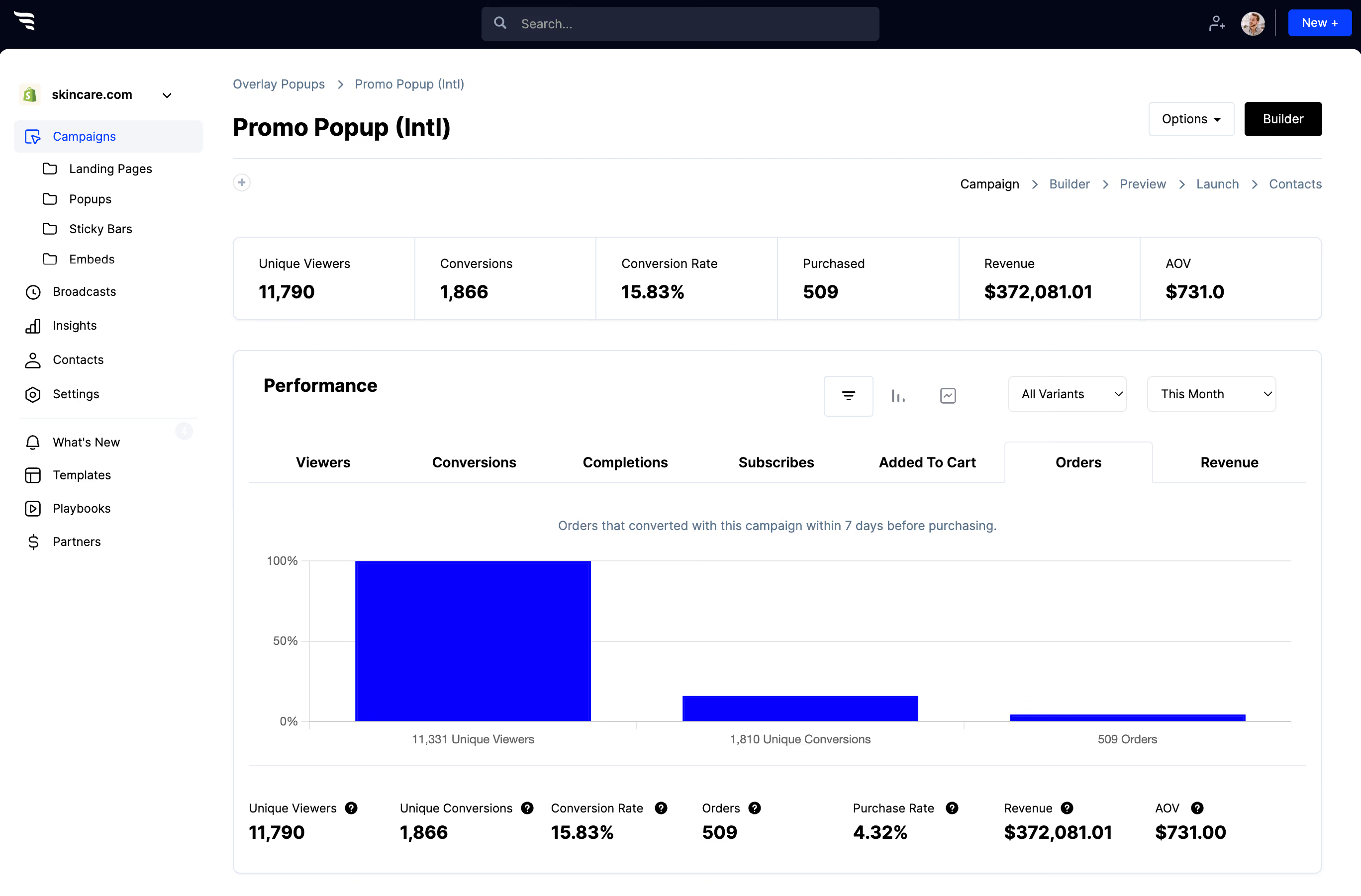
This is the reporting advantage a single-step form can't give you. You see exactly which question loses people, rather than knowing only that some didn't finish.
Act on it: a steep drop means the question is too personal, badly worded, or too early. Move it, rephrase it, or cut it.
When one step is better
For an email capture with one field, don't split anything. Multi-step earns its complexity when you have real questions to ask — qualification, quizzes, applications — not on a newsletter signup.


%20(1).avif)





.svg)
