



What most contact forms get wrong
The default contact form is name, email, message, send. It works, and it produces an undifferentiated inbox where a wholesale enquiry worth thousands sits next to "where is my order".
Three changes fix most of that, and none of them require more effort from the person filling it in.
Step 1: Build the form
.avif)
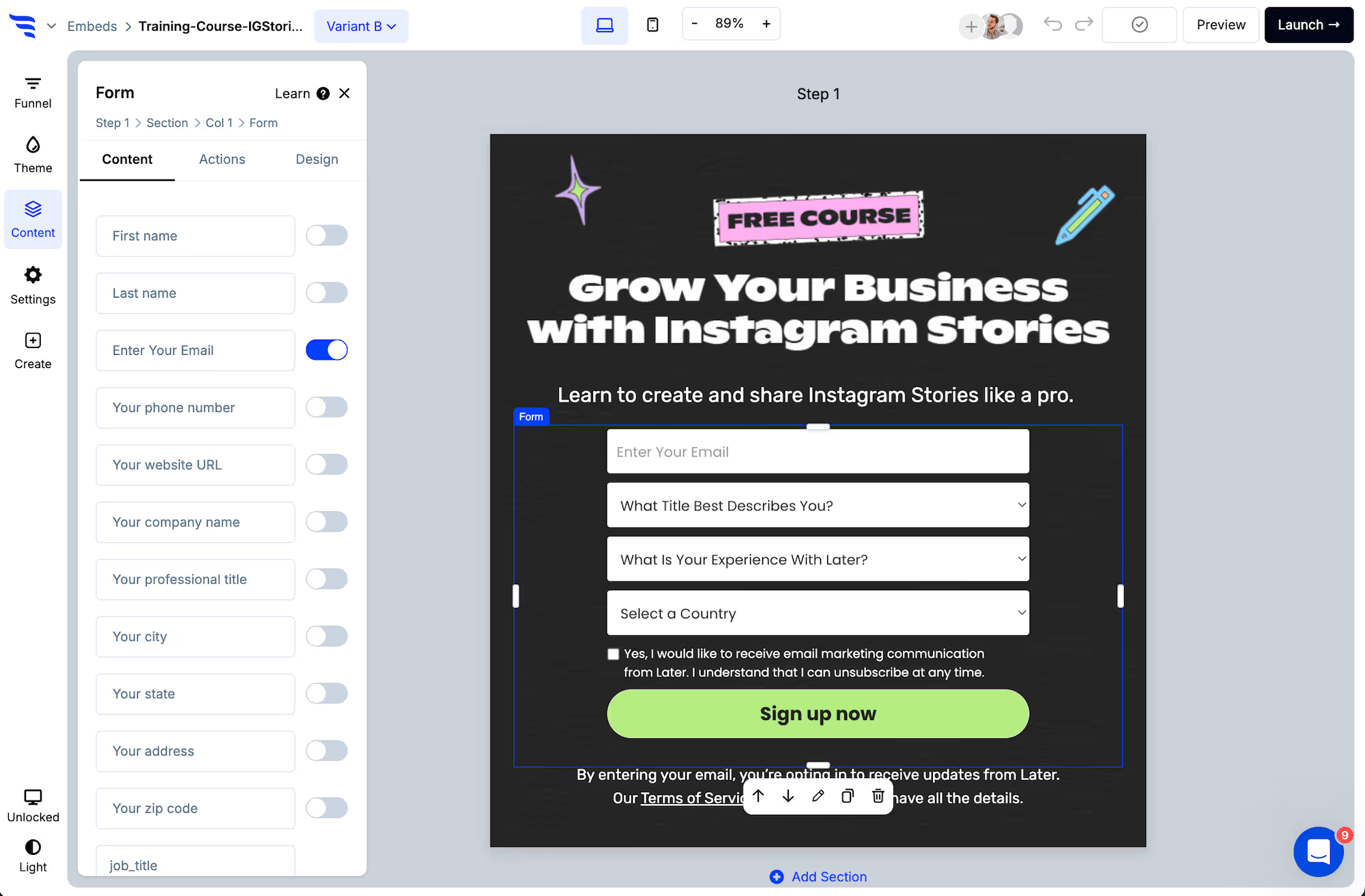
Add a form element to a landing page or an embed inside your existing contact page, then toggle on your fields.
.png)
Step 2: Add an enquiry type dropdown
This is the change that makes everything else possible.
.avif)
Click to add a field, set the type to dropdown, and give it your real categories — order status, returns, product question, wholesale, press, something else.
.avif)
Keep the values short and consistent — they become the strings your routing rules and reporting match on.
Step 3: Verify the email

Contact forms have a specific failure mode: someone mistypes their address, you reply, it bounces, and you've lost a customer who believes you ignored them. Verification catches it at the point of typing.
Step 4: Style it to the site
.avif)
Step 5: Route by enquiry type
.avif)
Add the automation that sends the contact to your helpdesk, CRM or email platform — then use conditional actions so the category decides where it goes and what tag it carries.
.avif)
A wholesale enquiry can be tagged and pushed into your CRM where a rep will see it; a returns question can go to support. One form, several destinations.
Step 6: Answer the common ones on-screen
This is the highest-return part, and it's the step most contact forms waste on "thanks, we'll be in touch".
Use conditional confirmation steps. If someone selected "order status", show the tracking link. If they selected "returns", show the policy and the returns portal.
A meaningful share of contact form submissions are questions already answered somewhere on your site. Answering them at the moment of asking is faster for the customer and removes the ticket entirely.
Step 7: Read what people actually contact you about
.avif)
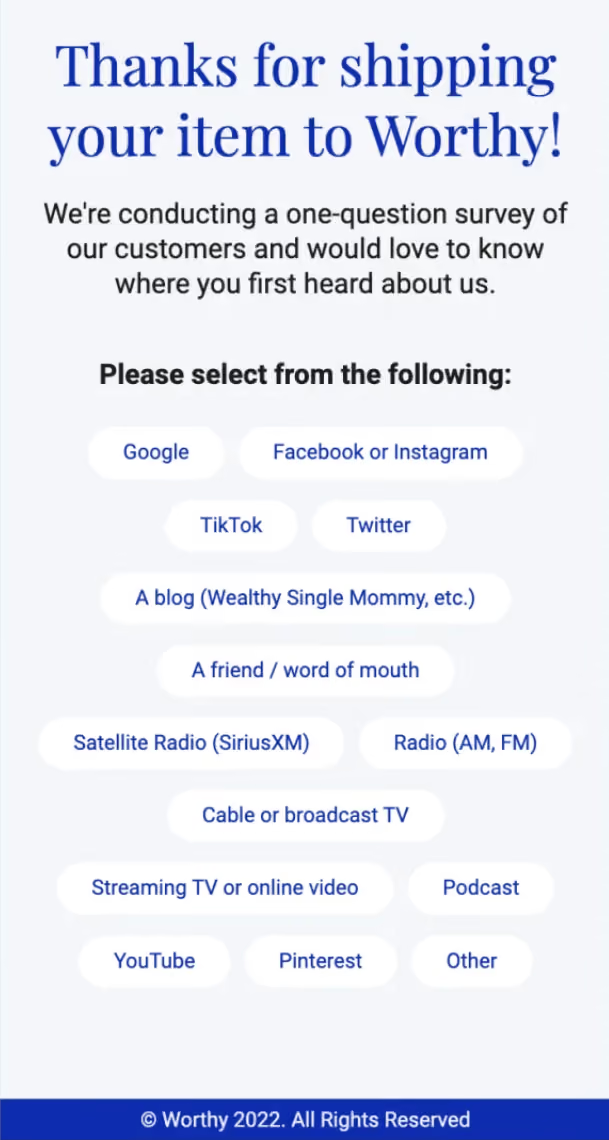
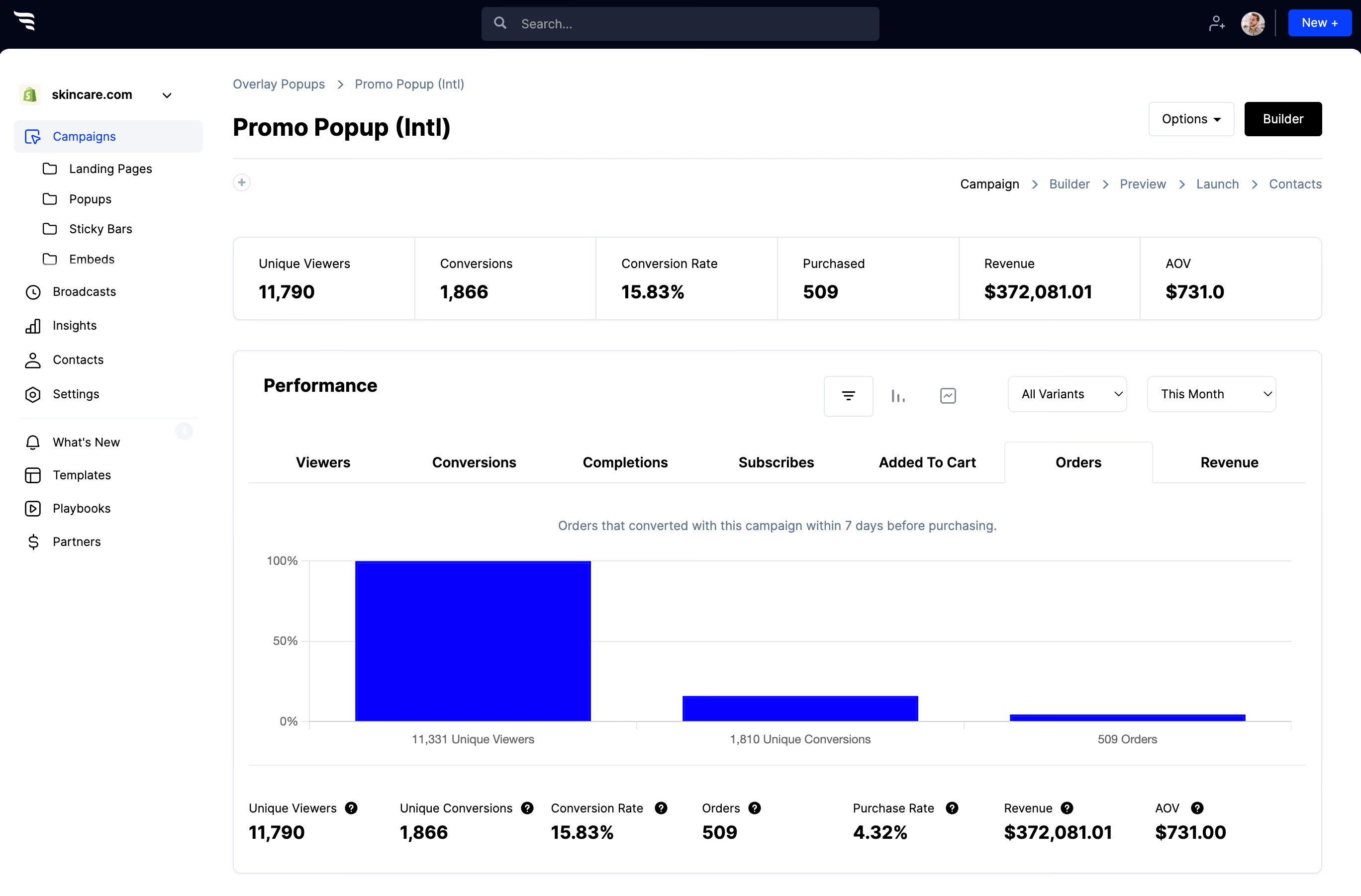
The answer distribution on your enquiry dropdown is the useful output here — more useful than the conversion rate.
It tells you what your support load consists of, which is usually different from what everyone assumes, and it points directly at what to fix on the site. If 40% of enquiries are about shipping times, the answer isn't a better contact form.



%20(1).avif)






.svg)
