



Why track forms in Google Analytics
ConvertFlow reports on its own campaigns in detail — who saw a form, who started it, which question they abandoned on. What it can't tell you is what happened around that: which channel brought the visitor, what they did after submitting, whether they ever came back.
Google Analytics sees that journey but doesn't know your forms exist unless you tell it. Connecting the two closes the loop.
Step 1: Build the form
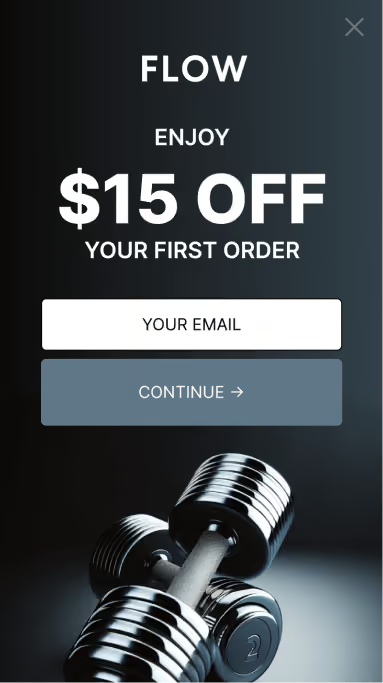
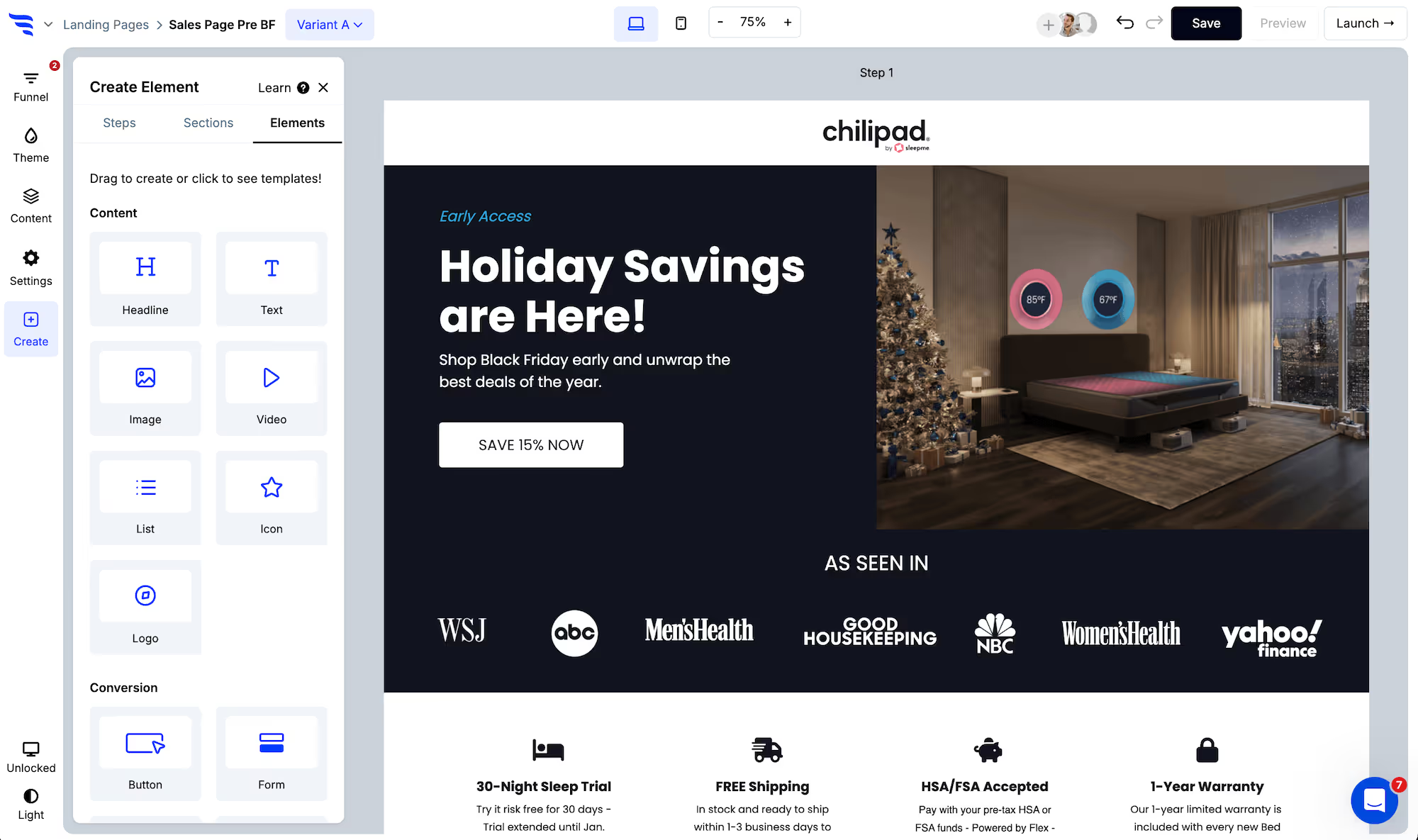
Add a form element to a landing page, popup or embed, and toggle on your fields.
.avif)
.png)
Step 2: Capture the source into hidden fields
Add hidden fields for the UTM parameters, the referrer and the page URL.
.avif)
This matters more than it looks. Analytics attribution lives in GA; the contact record lives in your CRM. Capturing the source onto the record is what lets you join them later — otherwise you can see that paid social drove sessions and that you got leads, without being able to prove they were the same people.
Step 3: Verify the email

Worth doing before you start counting conversions — otherwise your conversion number includes submissions that will never be reachable.
Step 4: Fire the conversion event on submit
Select the form and open the Actions tab.
.avif)
ConvertFlow fires conversion events on submission, and you can add scripts to the confirmation actions that run only after a successful submit.
That distinction is the whole point. A pixel placed on the page fires on page load, which counts everyone who saw the form. A script in confirmation actions fires on the conversion itself.
Step 5: Name events consistently
If you already have an event taxonomy in GA4, match it. Renaming events later means reconciling two naming schemes across every report and audience built on them — far more painful than agreeing the names now.
At minimum, distinguish form views from form submissions, and include enough in the event to tell which form fired it. "Form submitted" across fourteen forms tells you very little.
Step 6: Read the two reports together
.avif)
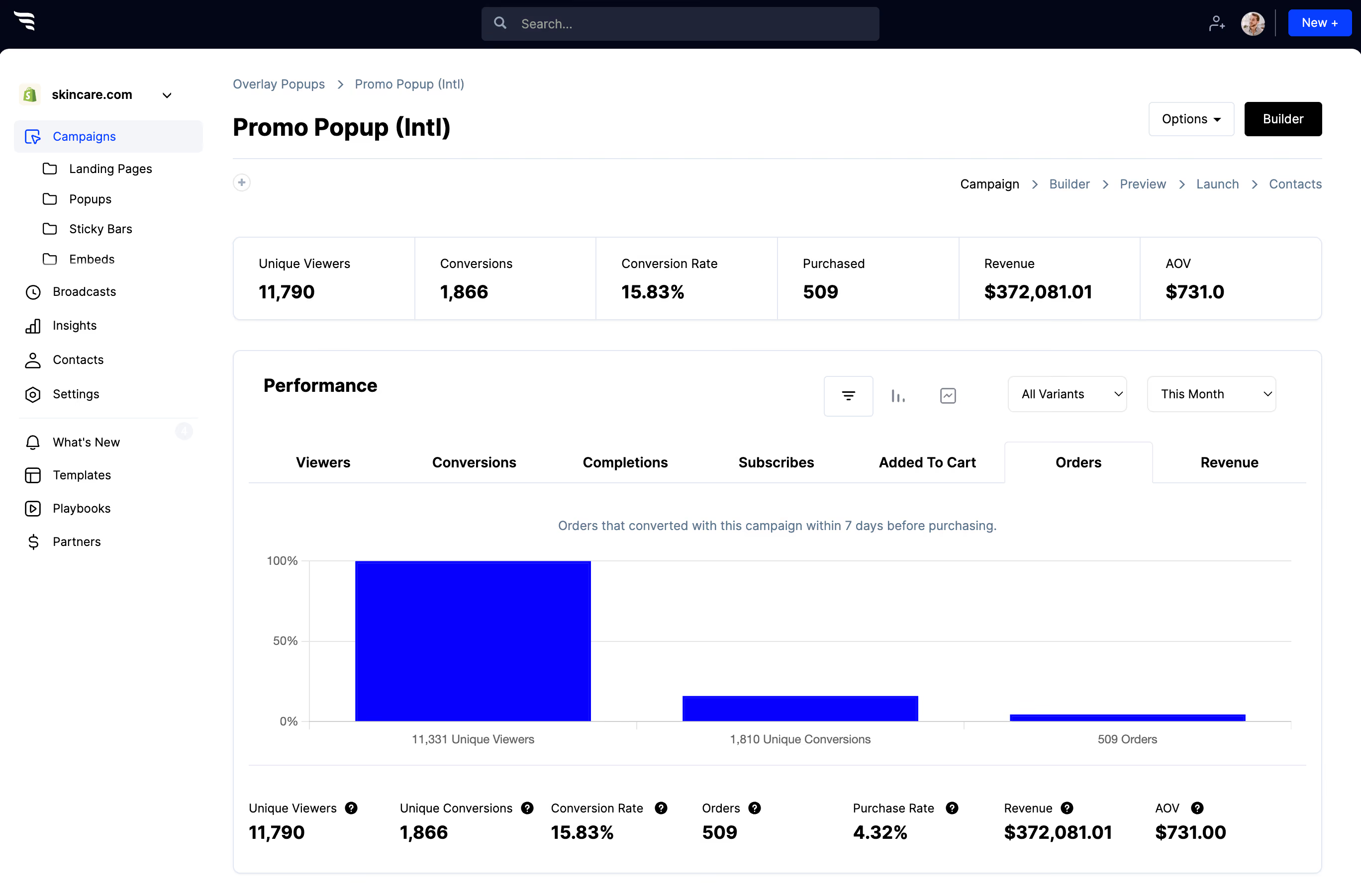
ConvertFlow's funnel report shows what happened inside the form — which question lost people, which answers they chose, revenue attributed per variant.
GA shows what happened around it — which channel brought them, which pages they saw first, what they did next.
Neither answers the other's question. Used together they tell you not just that a form converts at some rate, but which traffic converts on it and what those people are worth afterwards.
Step 7: Split-test with both open
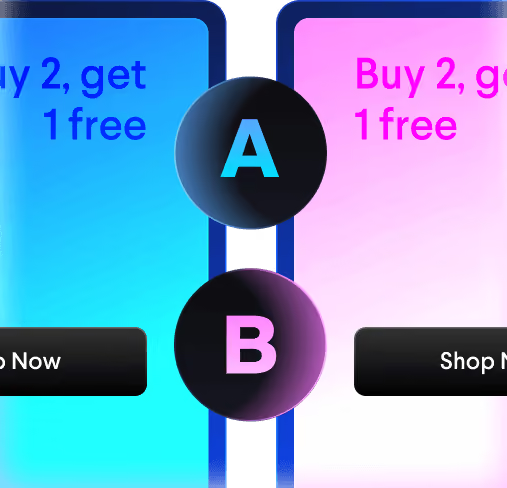
When you run a variant test, check both. ConvertFlow will tell you which variant converts better; GA will tell you whether the extra conversions came from traffic worth having.
A variant that lifts conversion rate by lowering the quality bar shows up as a win in one report and a problem in the other.




%20(1).avif)








.svg)
