




What a website survey adds to analytics
Analytics is very good at what. It'll tell you the pricing page has a 70% exit rate, that mobile converts half as well as desktop, that people who see a certain page buy more.
It cannot tell you why, and no amount of additional behavioural data will produce that. The only way to know why someone left your pricing page is to ask someone who is on your pricing page.
That's the job. Website surveys aren't a replacement for analytics — they're the layer that explains it.
Step 1: Start from the analytics problem
The most common mistake is a site-wide survey asking a general question. It produces general answers from people it doesn't concern.
Work the other way round. Find the page or step where the numbers are worse than they should be, then put a question there.
Four that work:
- On a high-exit page — "what's stopping you?"
- On a landing page — "did you find what you came for?"
- On a category or search results page — "what are you looking for?"
- On checkout entry — "anything unclear?"
Step 2: Add the survey element
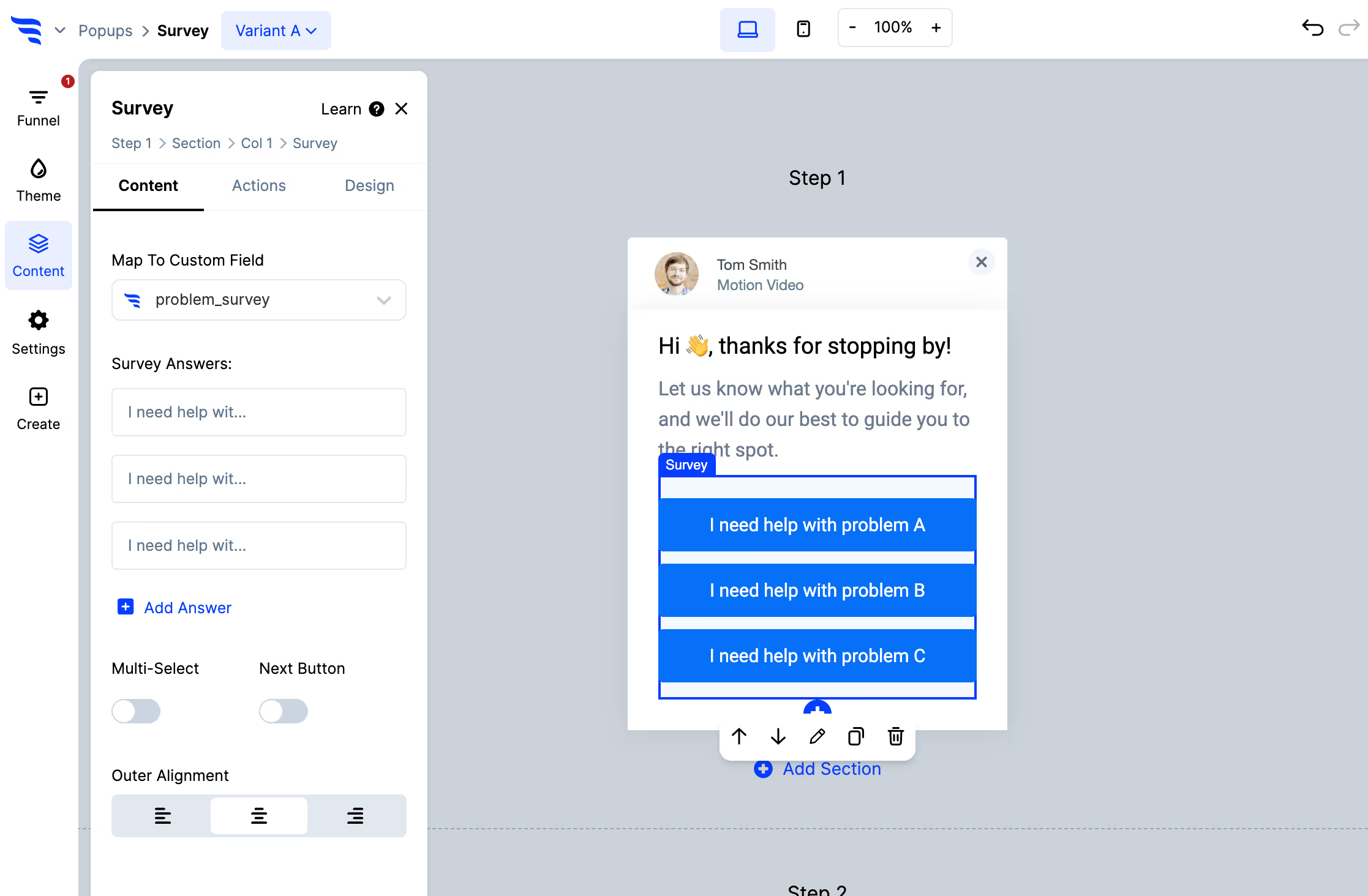
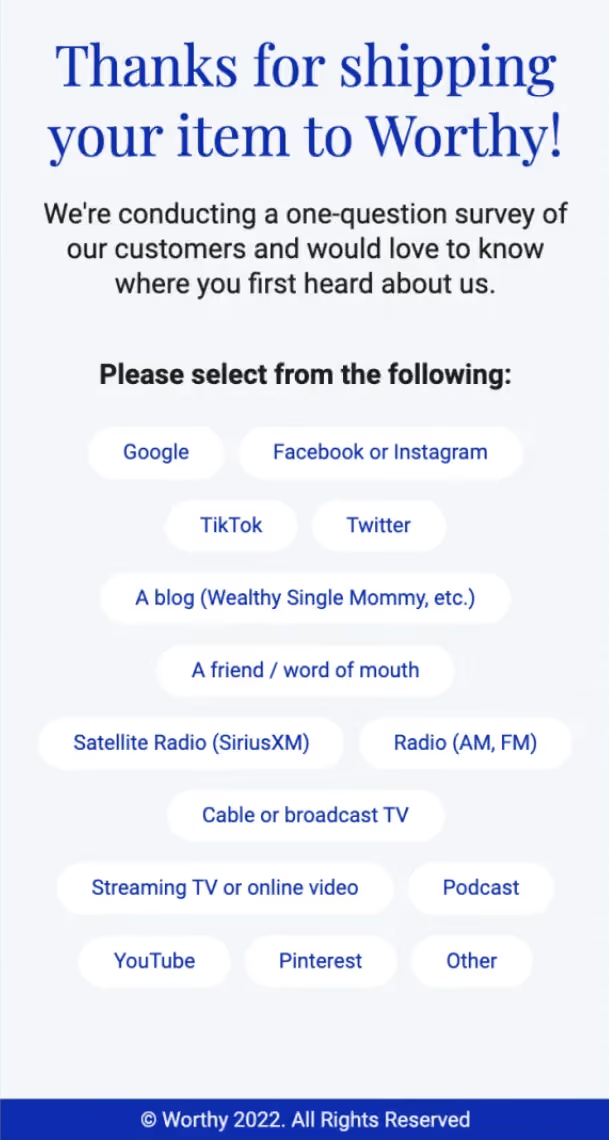
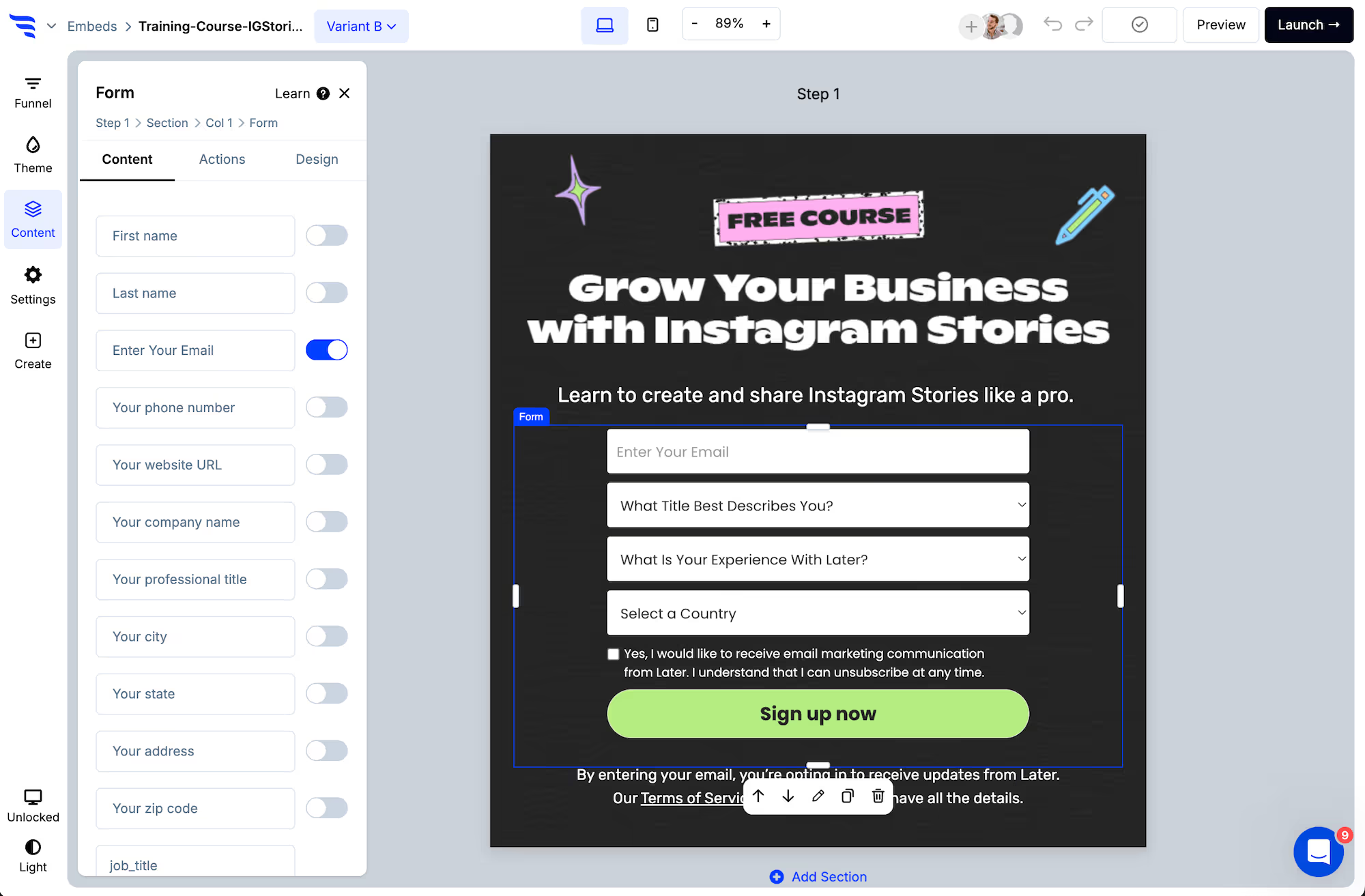
One question, fixed options. Use an embed for something persistent, or a popup tied to exit-intent on the page you're diagnosing.
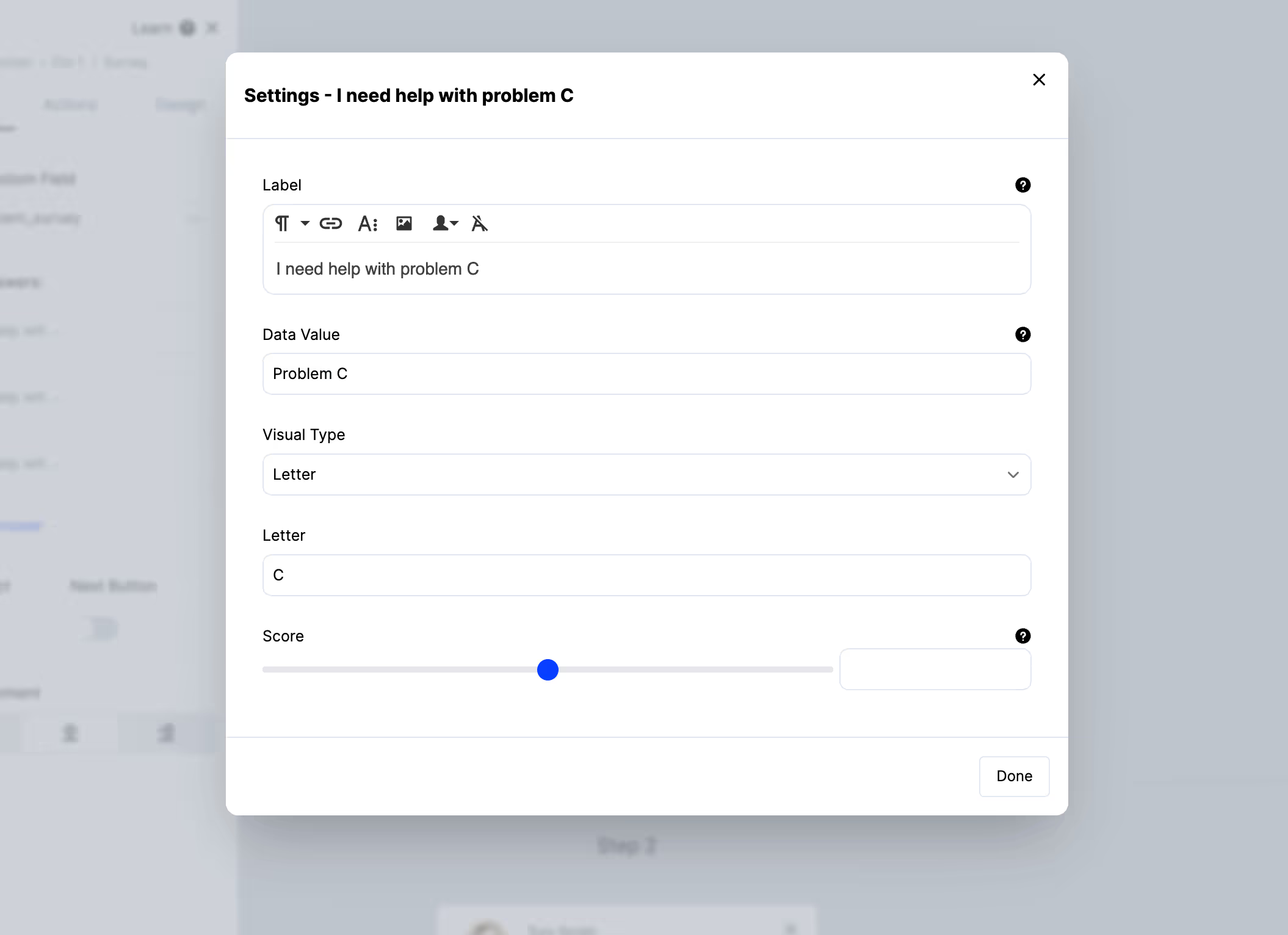
Set the data value separately from the label so "I couldn't find the size I wanted" stores as no-size.
Step 3: Write the options from real answers
The quality of a diagnostic survey depends almost entirely on whether the right answer is among the options.
Take them from what support already hears, and always include an "other" or "something else". If a large share picks it, your options are missing the actual problem — which is itself the most useful finding available.
Step 4: Don't block the task
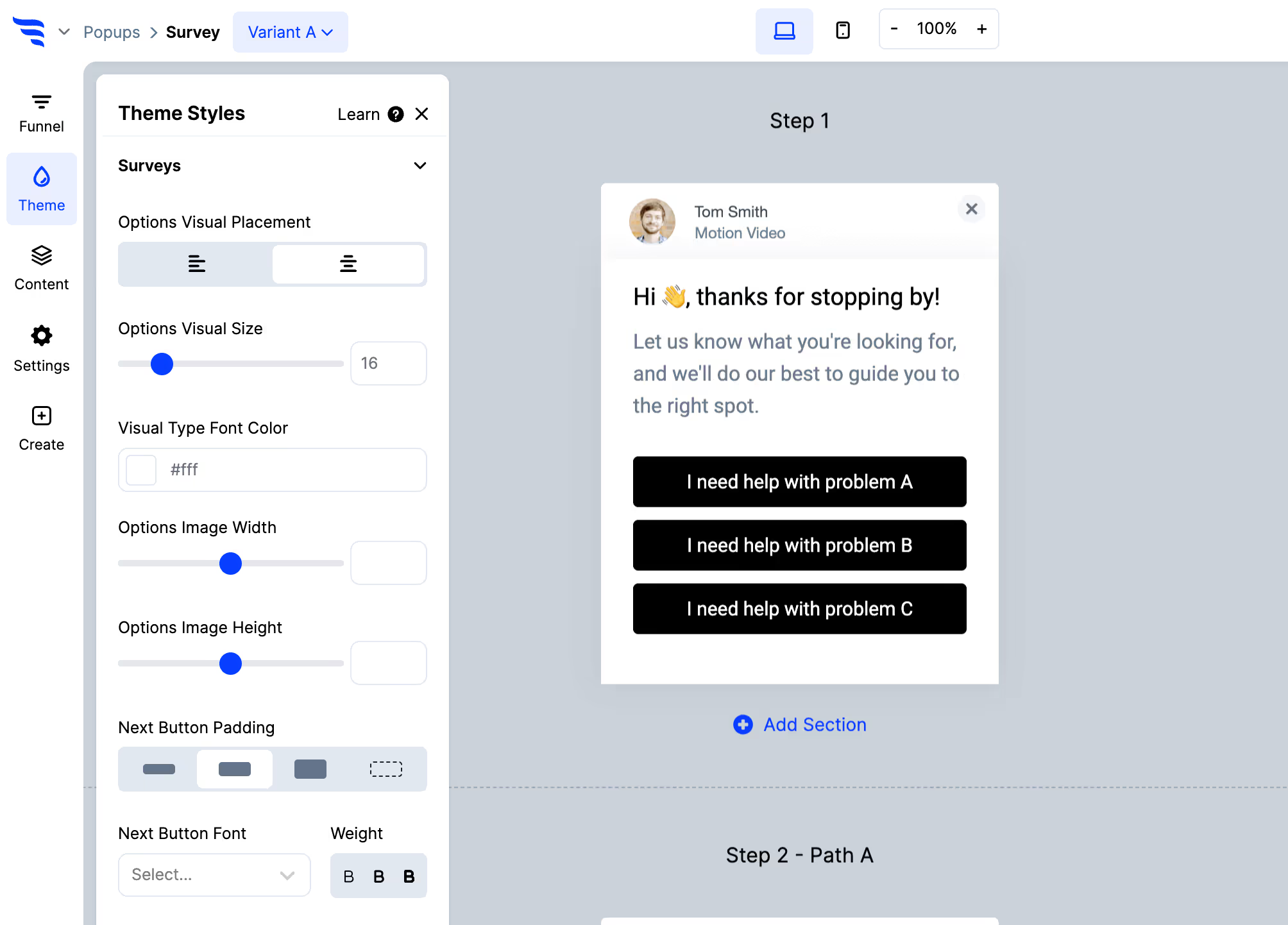
A survey diagnosing a conversion problem shouldn't create one. Keep it out of the way, style it quietly, and set suppression so a returning visitor isn't asked repeatedly.
On checkout in particular, use exit-intent rather than anything that interrupts.
Step 5: Follow up on the useful answers
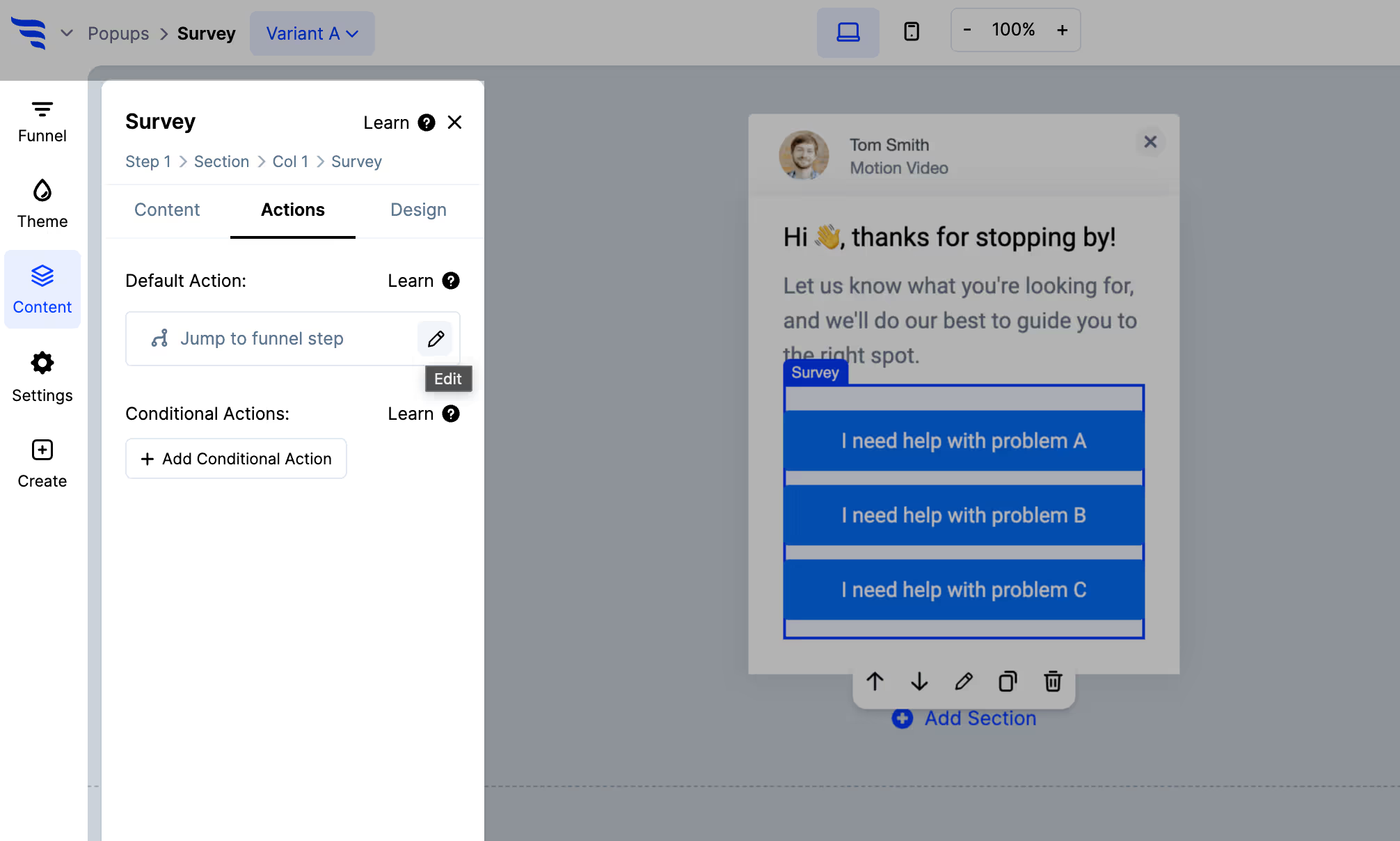
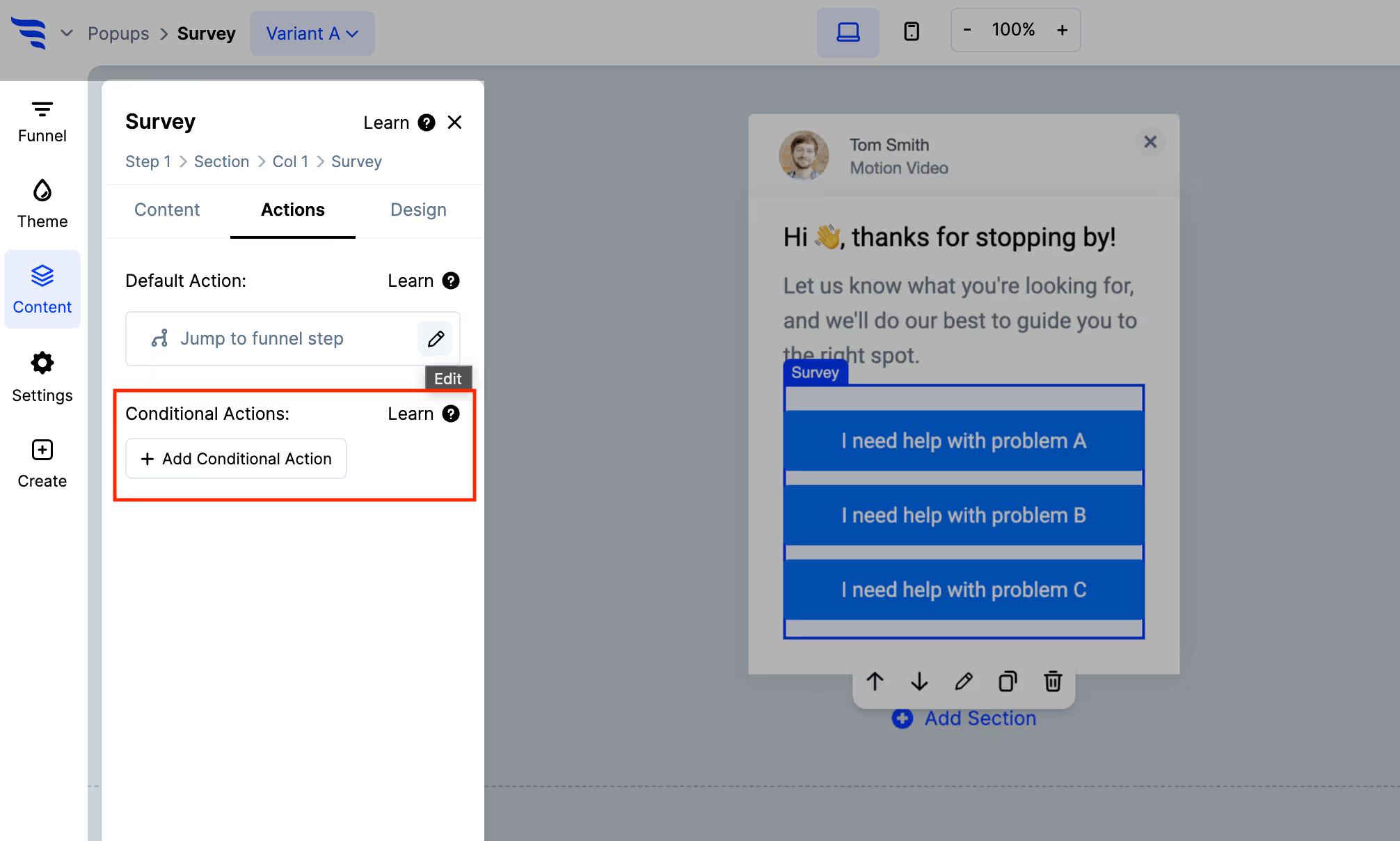
Conditional actions let a specific answer trigger a specific response — someone who says they couldn't find something can be shown search or a contact route immediately.
That turns a diagnostic survey into a recovery mechanism, which is a better use of it than a report.
Step 6: Send answers to the contact record
Map answers to fields and tags in your email platform or CRM, so a stated objection can change what that person receives next.
Step 7: Read it alongside the analytics
.avif)
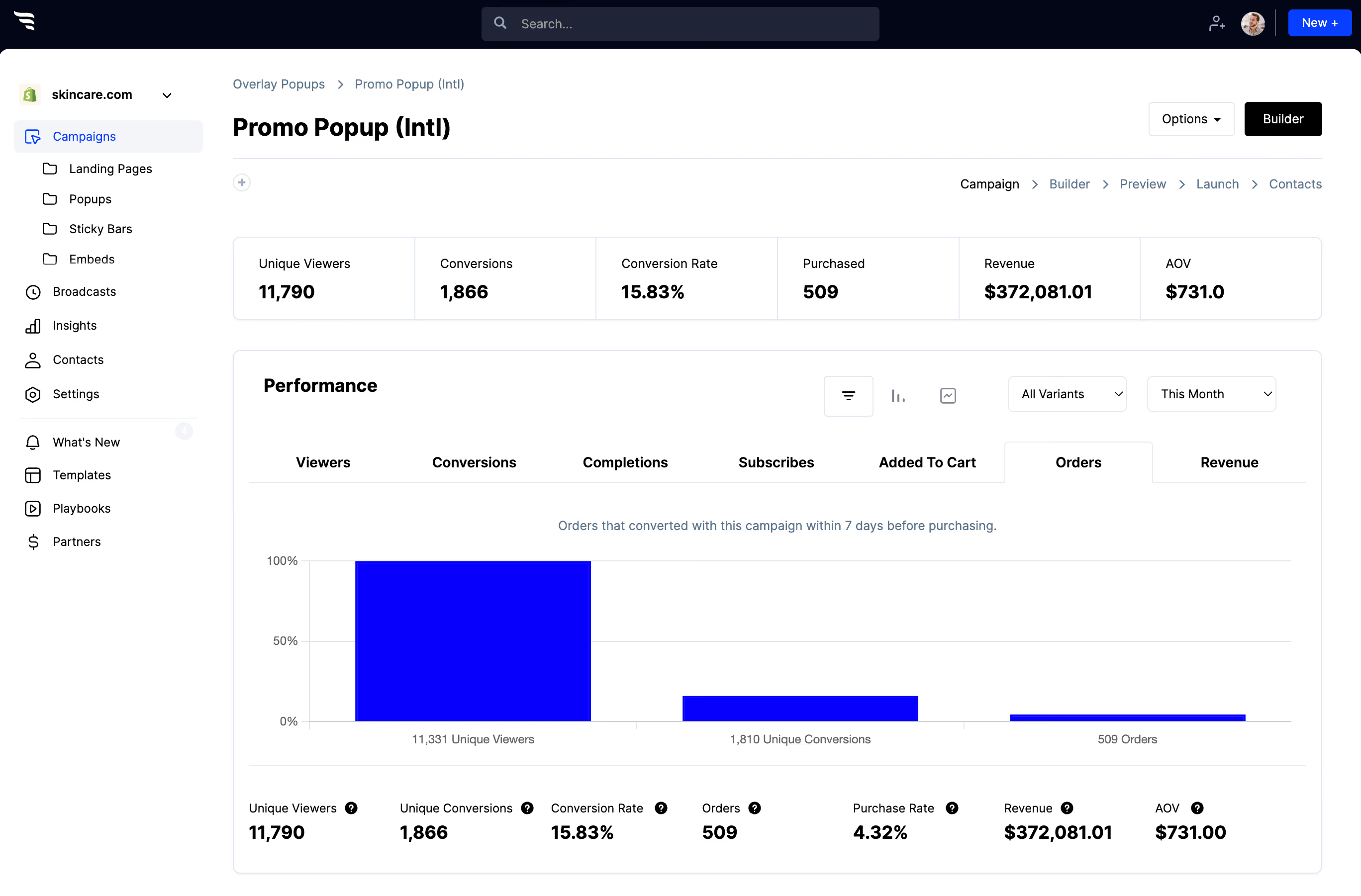
The survey tells you the reason; analytics tells you how many people it affects. Neither is enough alone — a compelling free-text complaint from three people is not a priority, and a 70% exit rate with no explanation isn't actionable.
And remember who you didn't hear from: everyone who left before the survey fired.



%20(1).avif)







.svg)
