



Why pair your forms with Yotpo reviews
Every form asks a stranger for something before they've got anything back. Whatever you're offering, the person deciding whether to fill it in is really deciding whether you're worth the email address.
Reviews answer that question, and ConvertFlow can pull yours out of Yotpo and place them right beside the form — filtered so the proof relates to what you're actually asking for.
One thing to be clear about: Yotpo discontinued its email and SMS products, so there's no Yotpo contact sync. Your form captures to whichever email platform you use. Yotpo's role here is the proof, not the destination.
Connect Yotpo reviews to ConvertFlow
In Yotpo, head to your general settings and copy your reviews API keys.
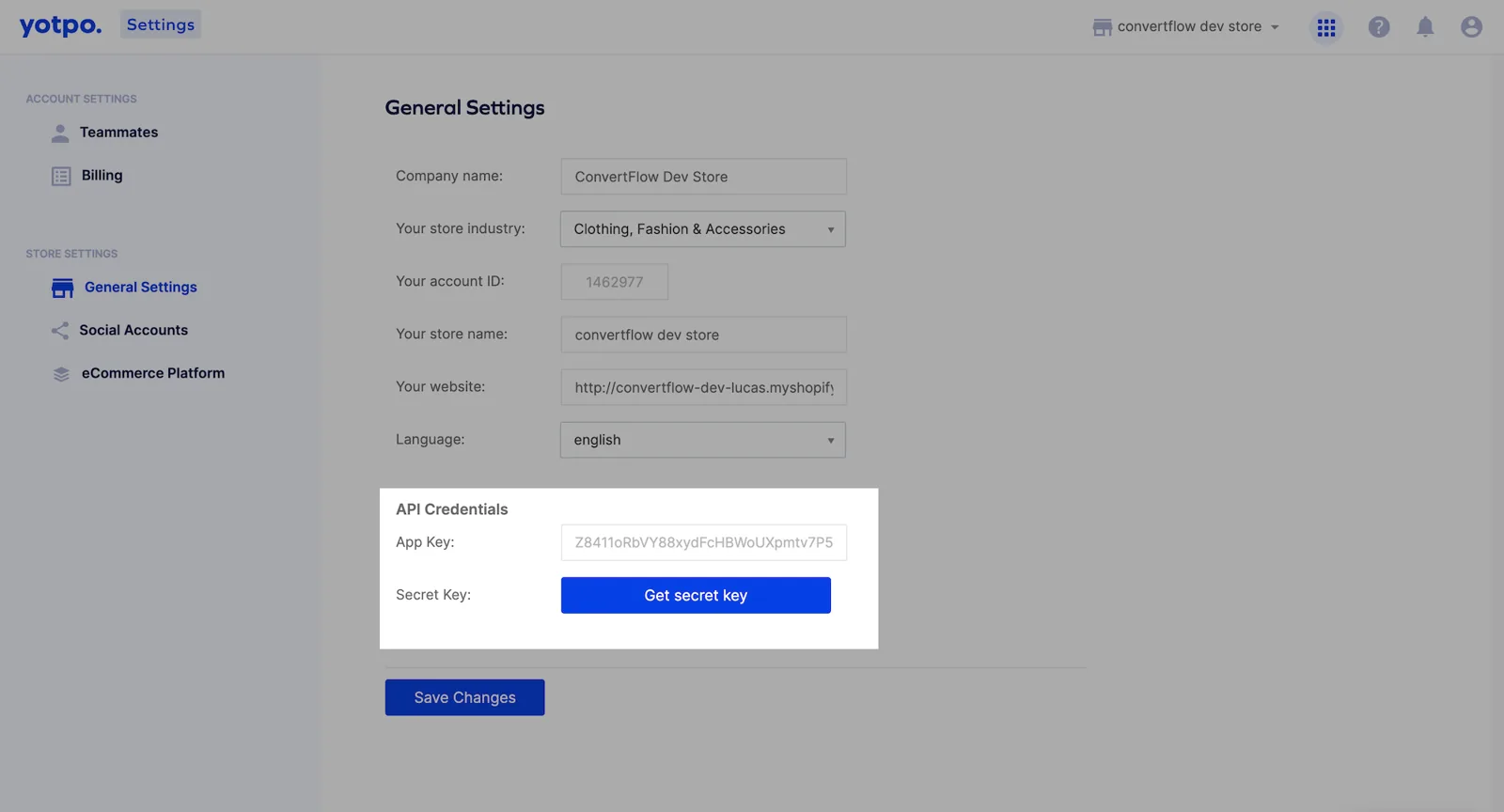
Paste them into ConvertFlow's Integrations area and save. Your reviews stay in Yotpo; ConvertFlow reads them.
Build the form
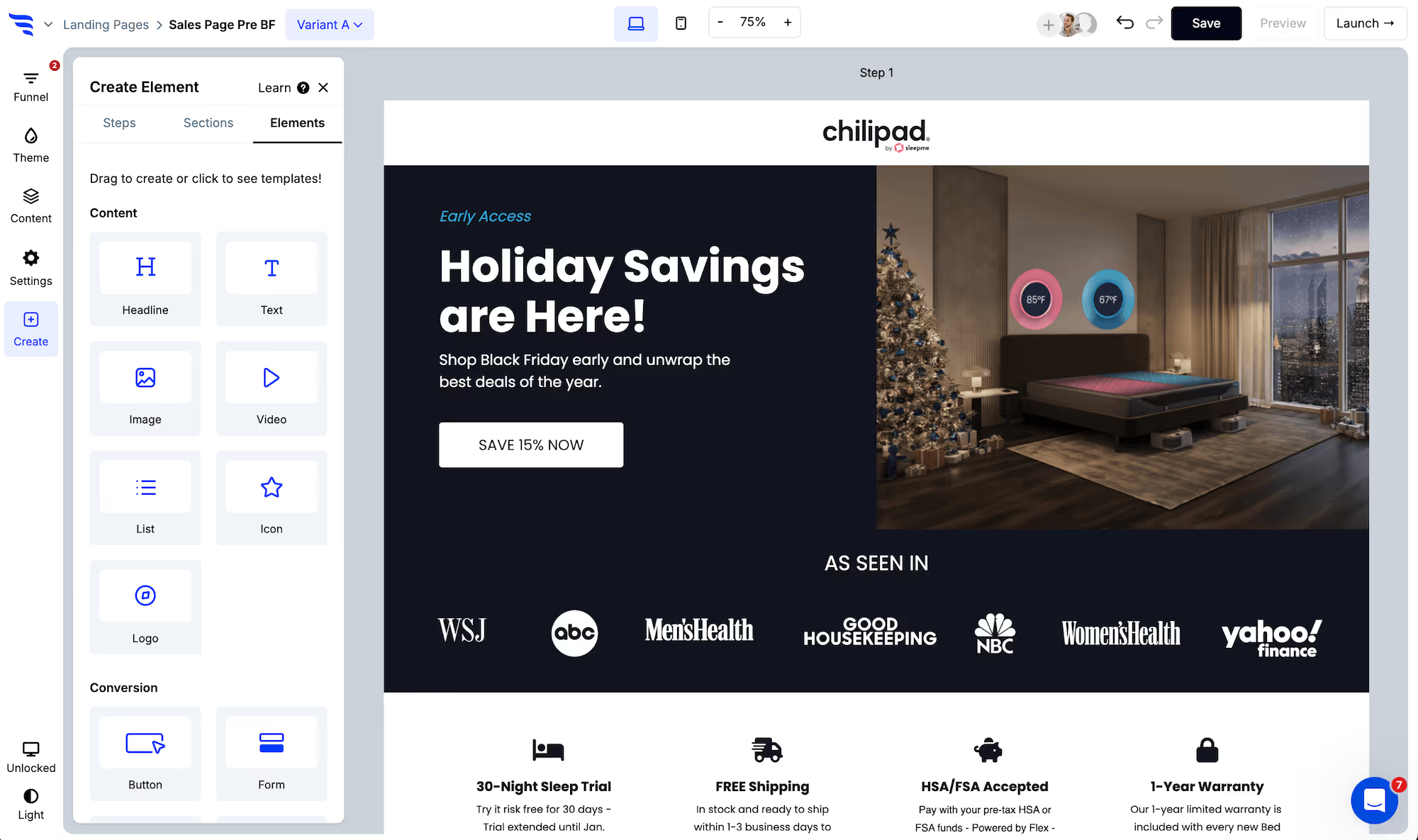
Add your form to a ConvertFlow landing page, popup or embed. Click to add an element and choose the "form" element type — start from a template or build from scratch.
.avif)
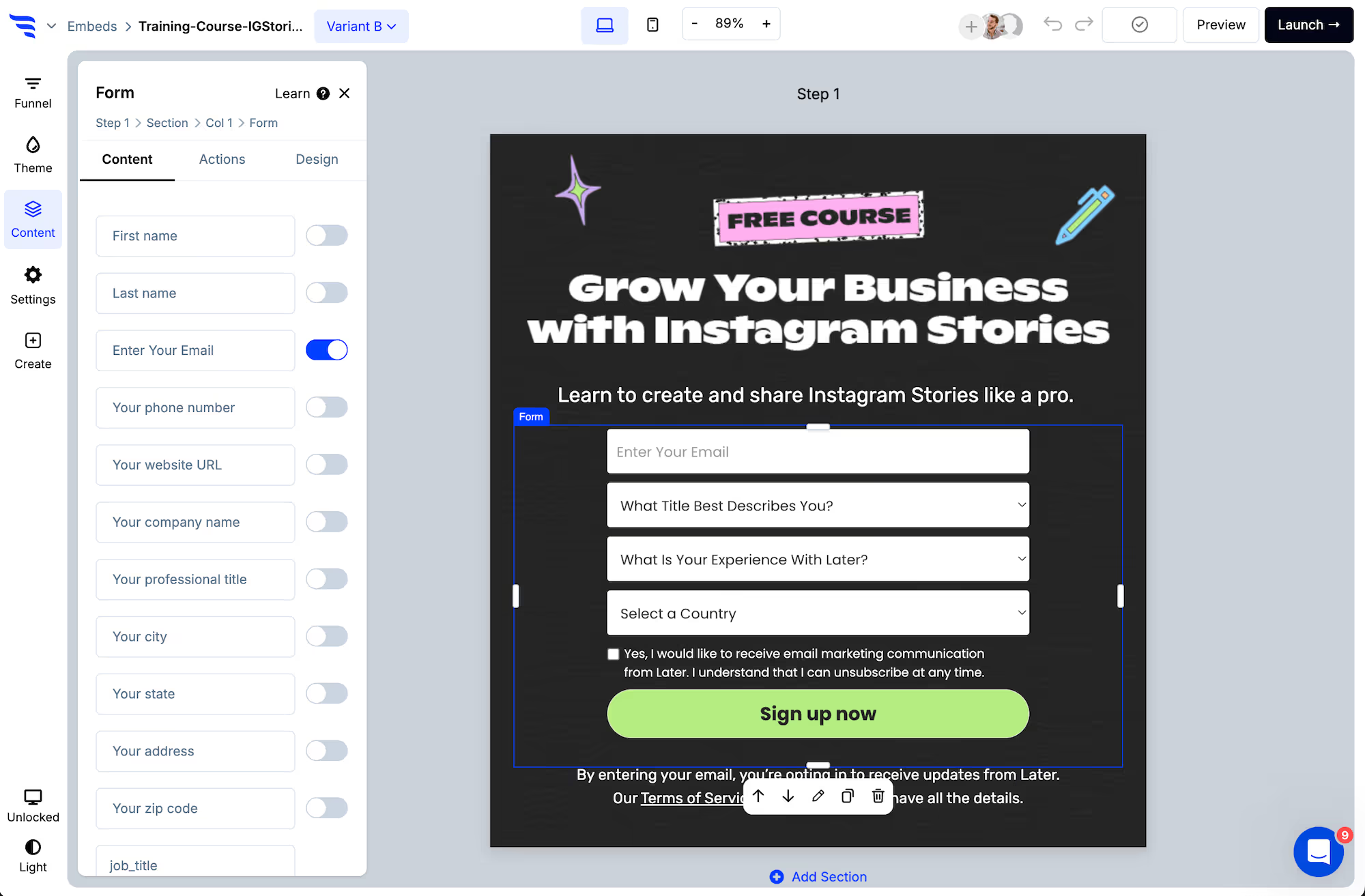
Select the form element and switch on the contact fields you want to request.
.png)
Each field can be edited from the builder panel — placeholder text, label, required state and more.
.avif)
Add reviews beside the form
Click to add an element and select the reviews element.
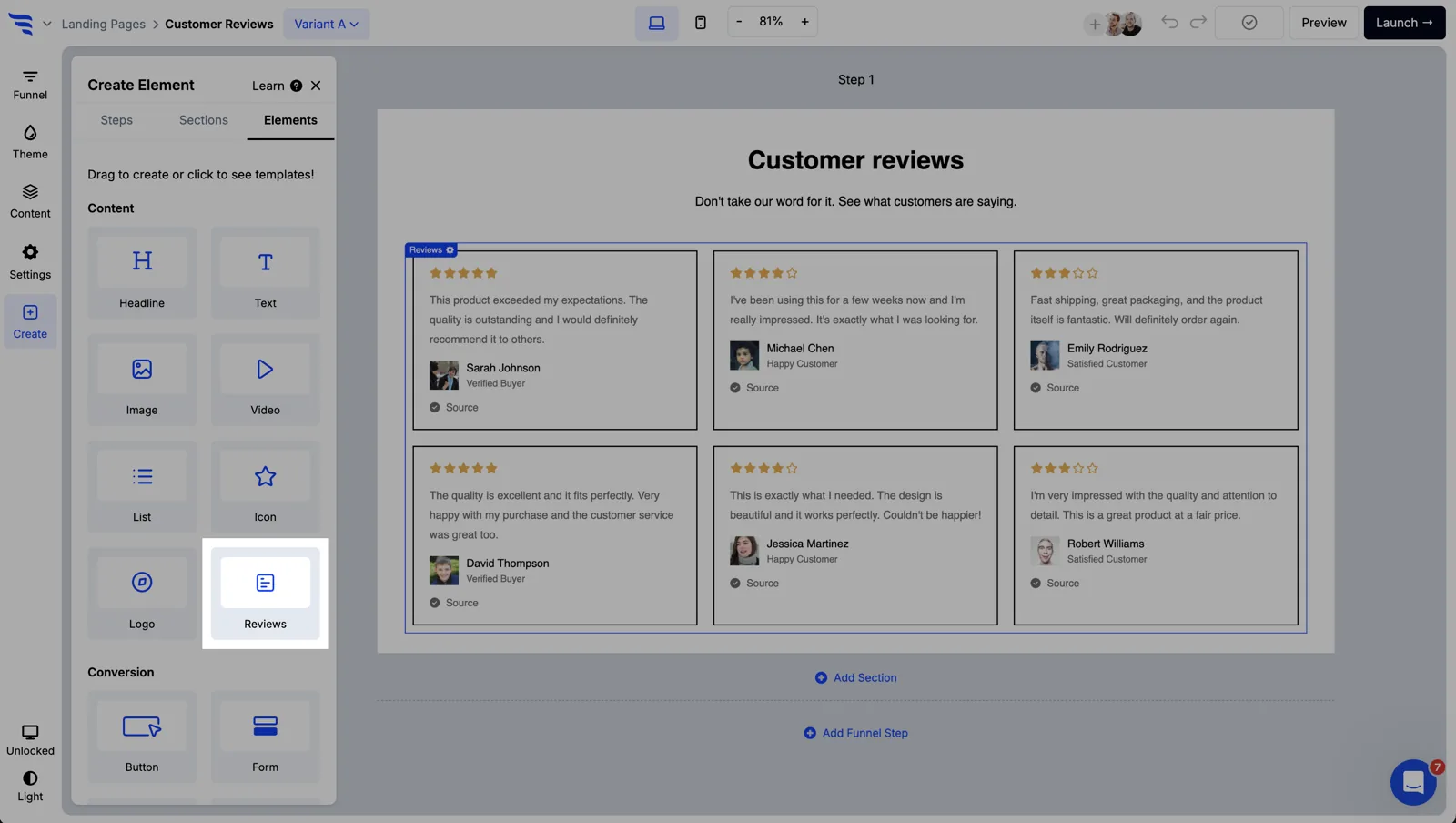
The reviews element shows your reviews in a structured feed you can filter, sort and style — rather than hand-building testimonial blocks that go stale.
Set the source to Yotpo.
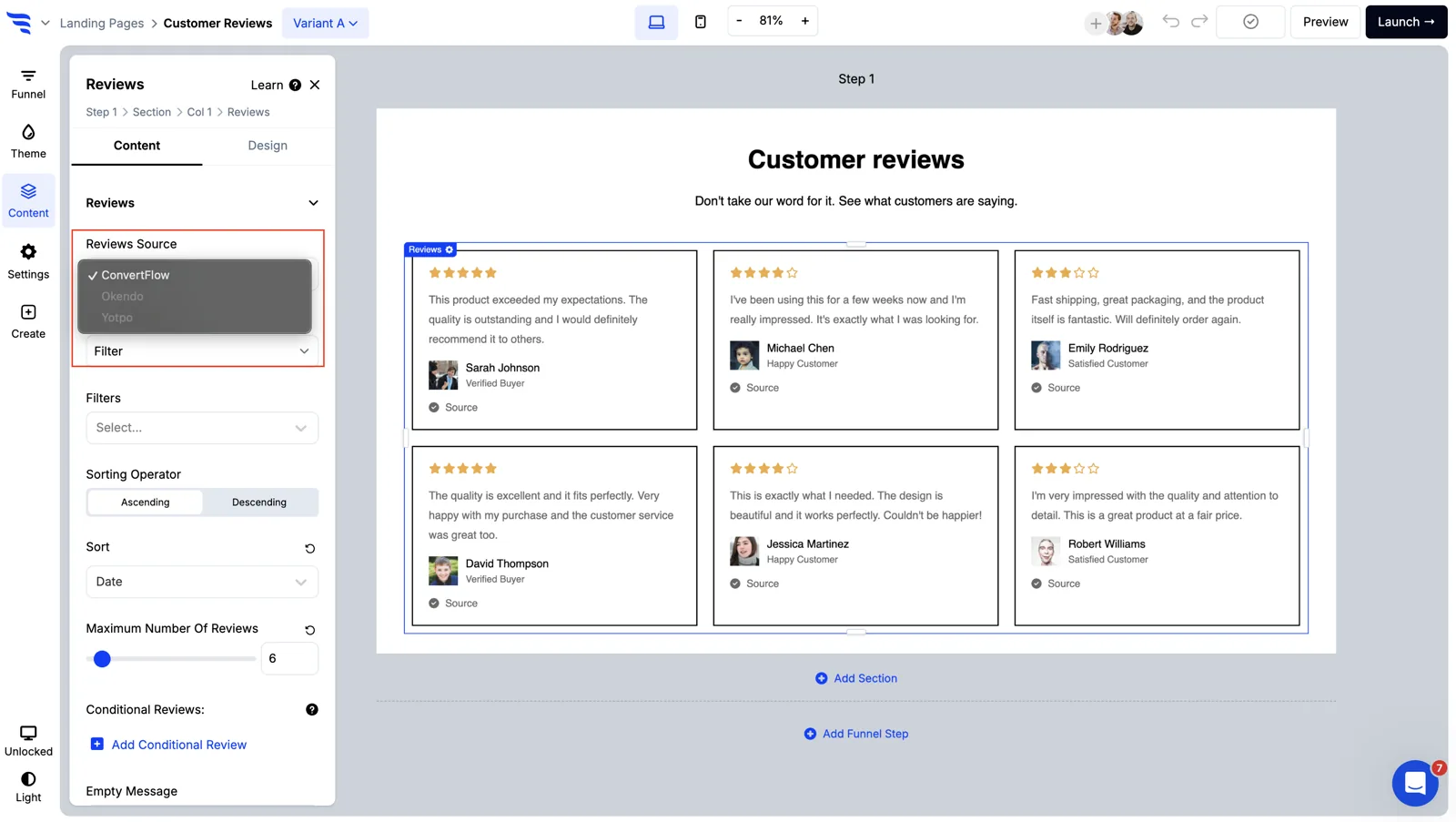
Okendo is available as a source too, if you run reviews on more than one platform.
Filter to proof that fits the ask
Filter reviews dynamically by keyword, date and rating, or manually select the ones you want.
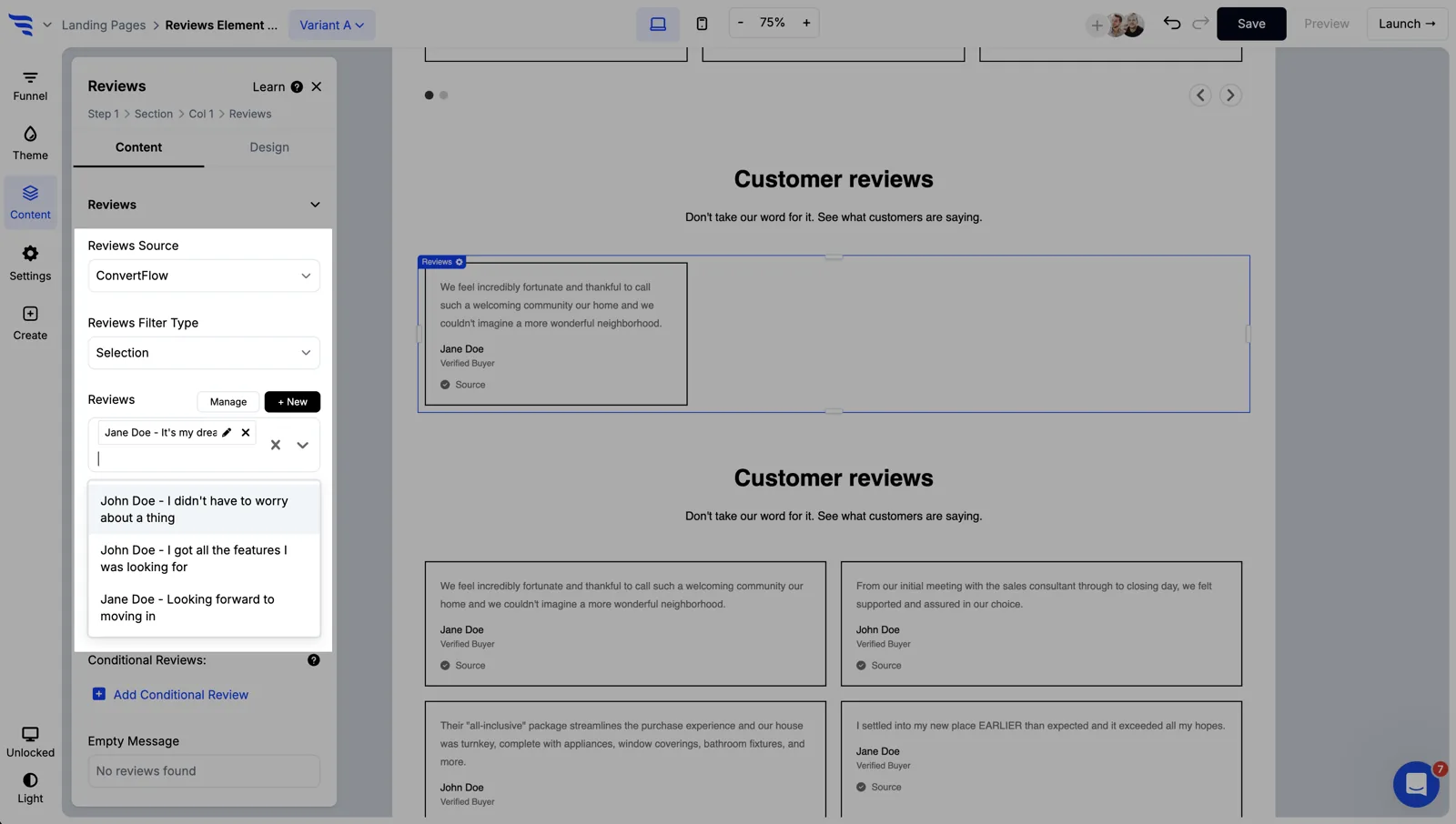
Match the filter to what the form is for. A form offering a sizing guide should show reviews that mention fit. A newsletter signup is better served by reviews that mention the brand rather than a specific product.
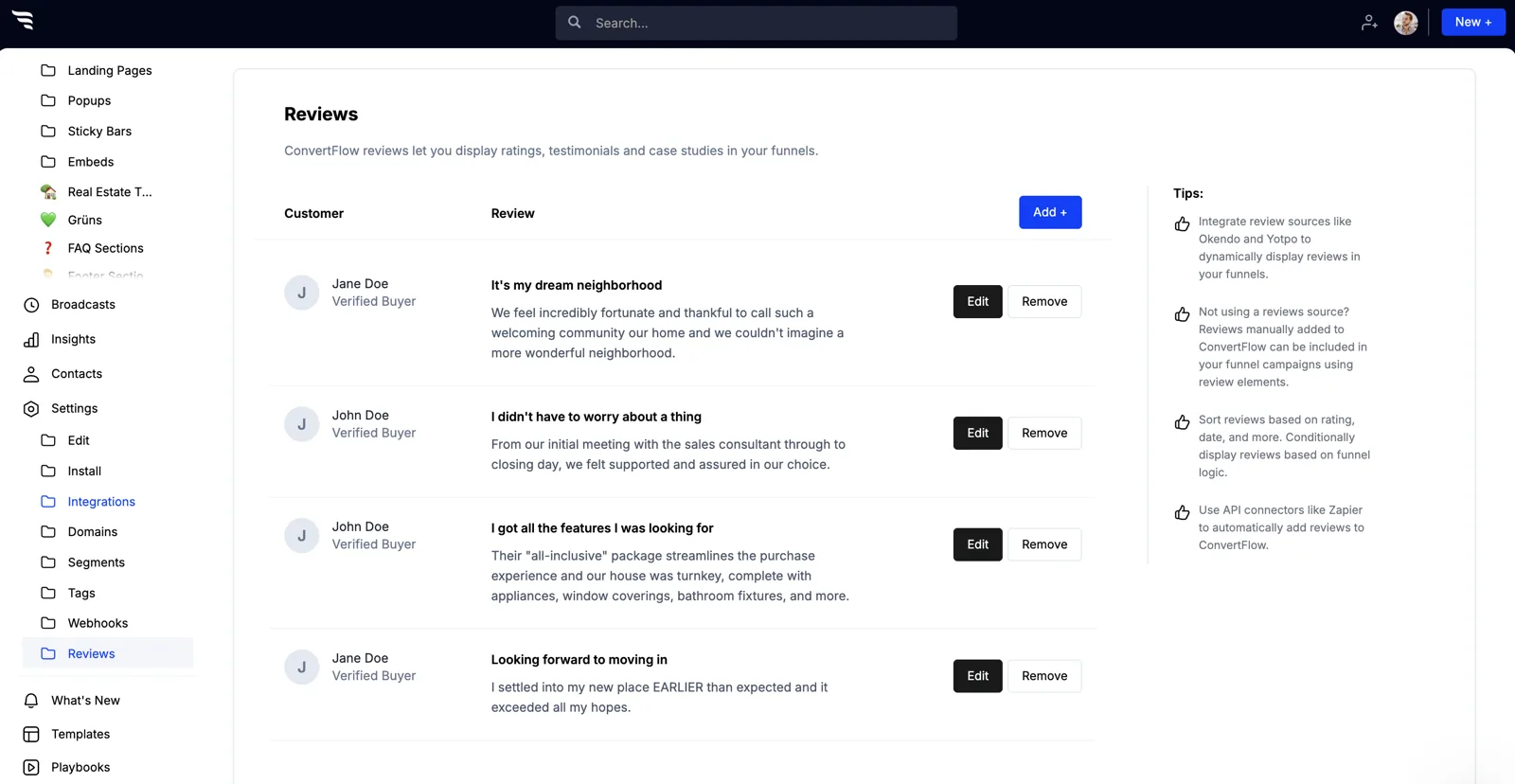
Reviews stored in ConvertFlow itself can be managed site-wide from Settings → Reviews and reused across campaigns.
Change the proof based on the answers
If your form has more than one step, the reviews can respond to what someone said in the first one.
Conditional reviews use ConvertFlow's conditional logic to decide which reviews show, based on question answers, funnel progress, contact segmentation and site activity.
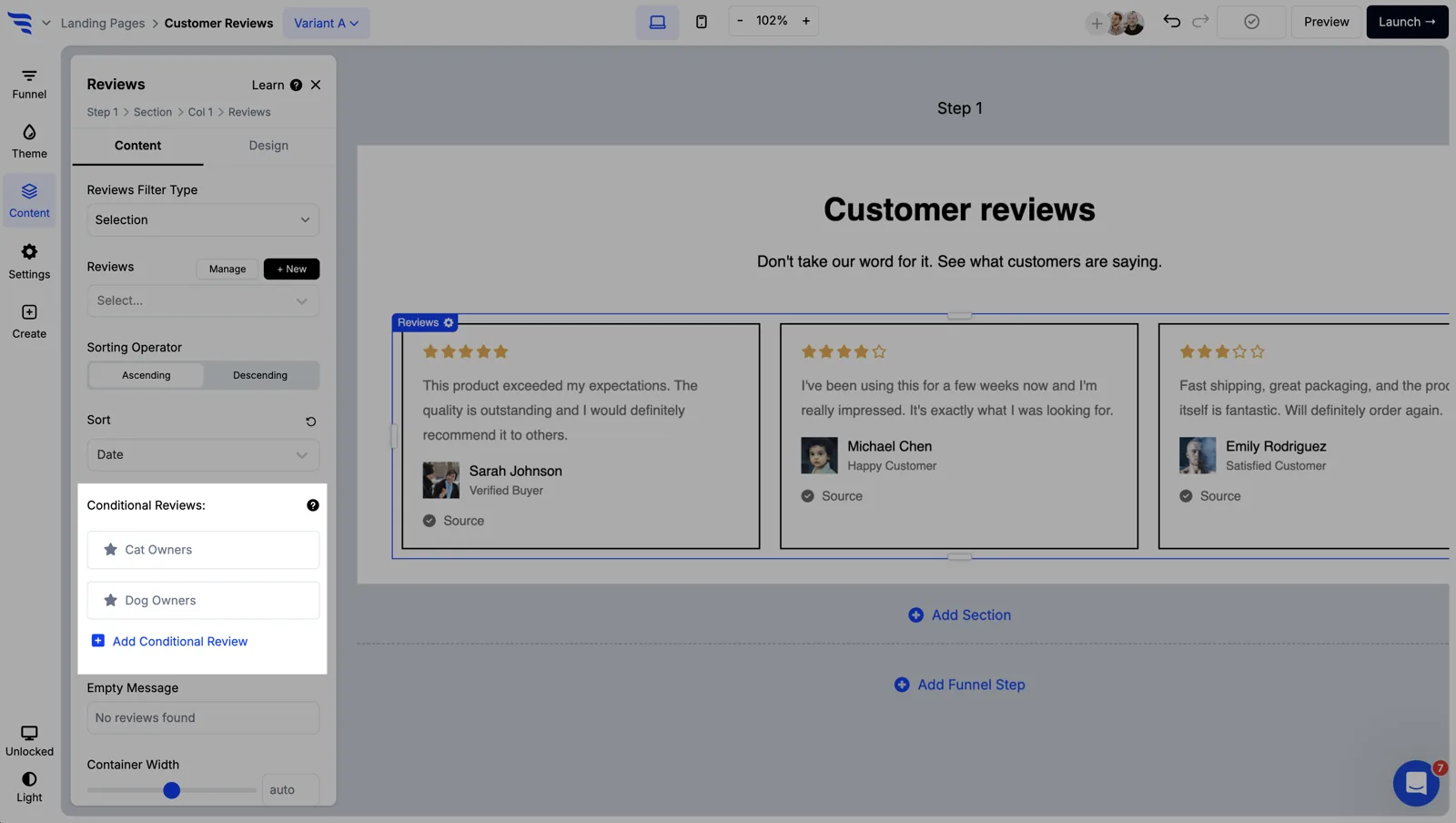
For example, filter to reviews mentioning "cat" when the person is in your "Cat owners" segment.
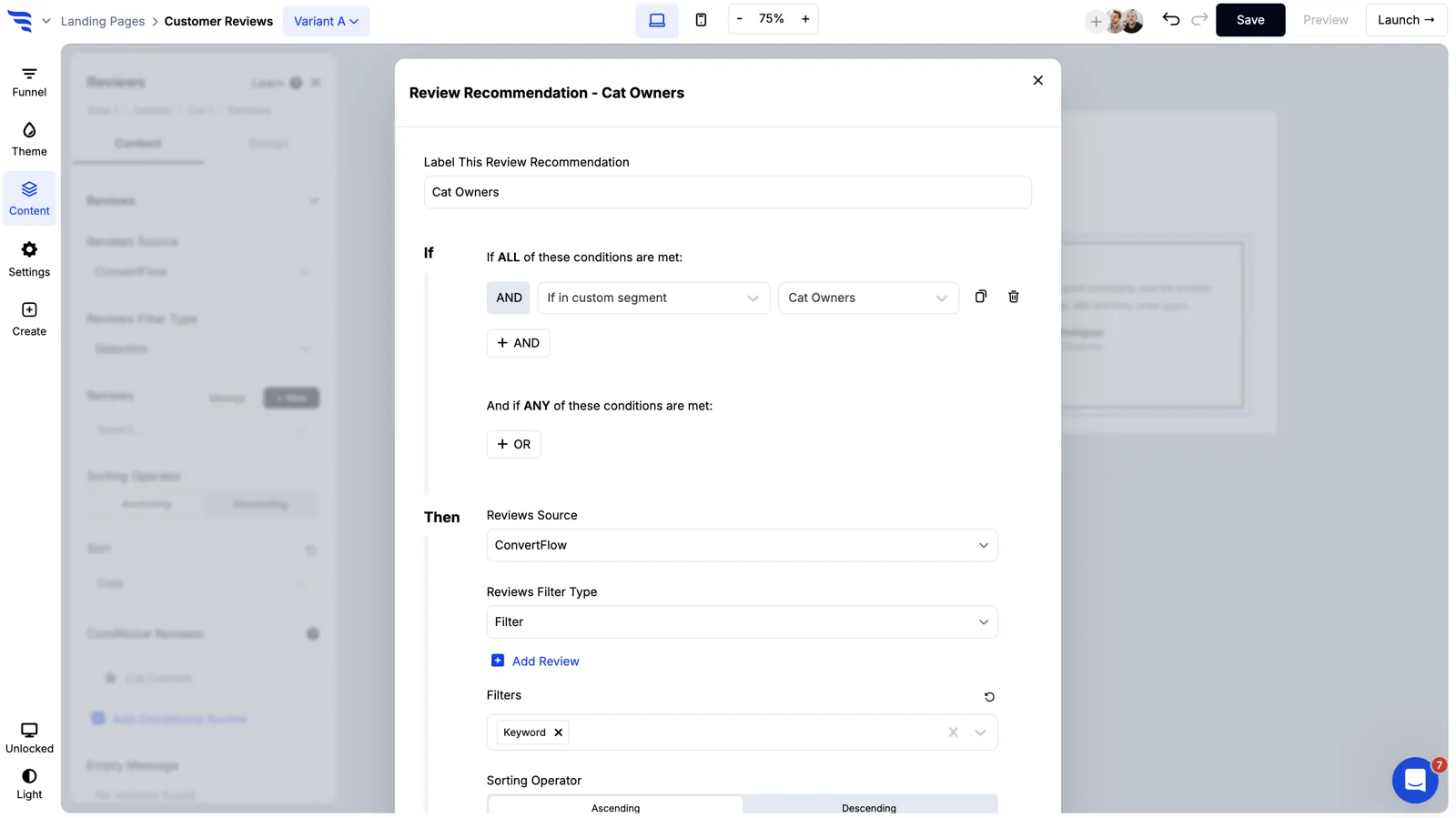
Ask the qualifying question on step one, show matched proof on step two, then ask for the email. The form earns the address instead of demanding it up front.
Choose what each review shows
Toggle star rating, title, content, customer avatar, logo, video, review date and review source, and set the maximum number displayed.
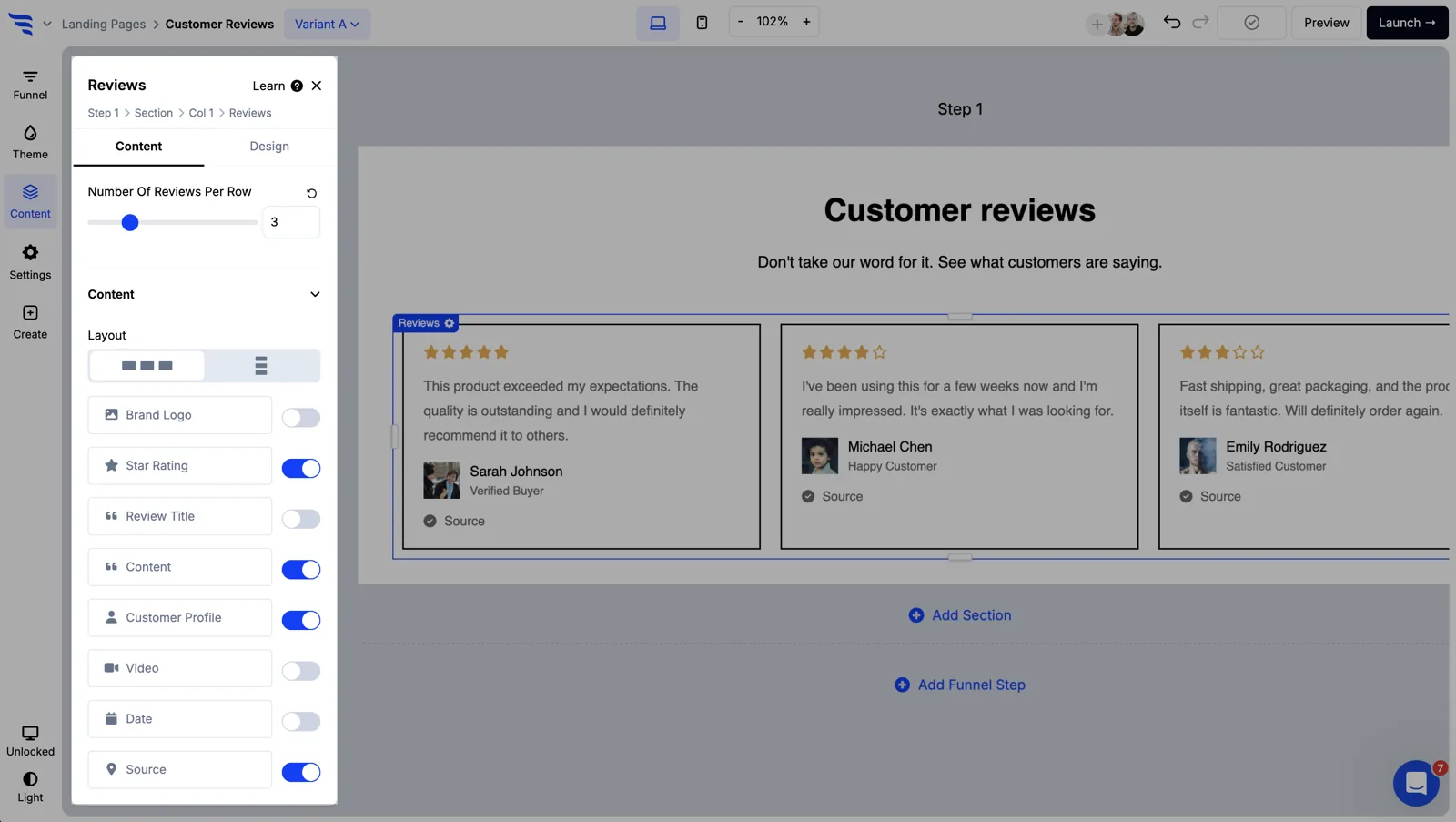
Beside a form, fewer is better. Two or three reviews support the ask; a long feed competes with it.
Style the reviews to match
Click to the "Design" tab of the element to control layout, fonts, colours and more, so the reviews read as part of your page rather than an embedded widget.
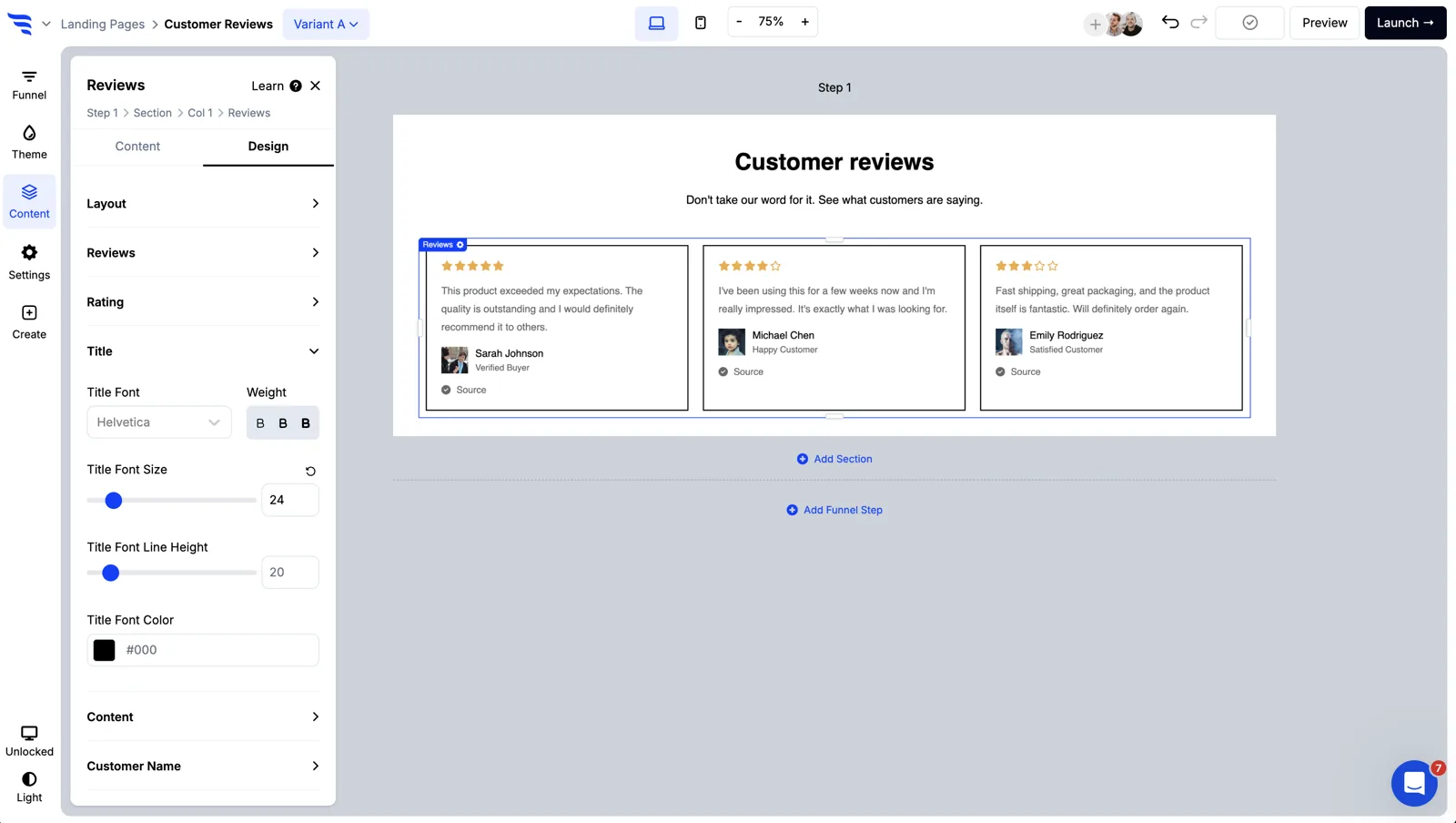
The form itself has its own Design tab — spacing, field layout, width, fonts, button colour and roundness.
.avif)
Verify emails and add consent
ConvertFlow can check that an entered address exists with its provider before it reaches your email platform, protecting sender reputation.

Below the preset contact fields you'll find privacy, marketing and SMS consent checkboxes.
Configure what happens on submit
In the Actions tab, choose what follows submission — redirect to a URL, jump to another funnel step, display a thank-you message, or open a popup — and add the automations that sync the contact to your email platform.
.avif)
Test what the reviews are worth
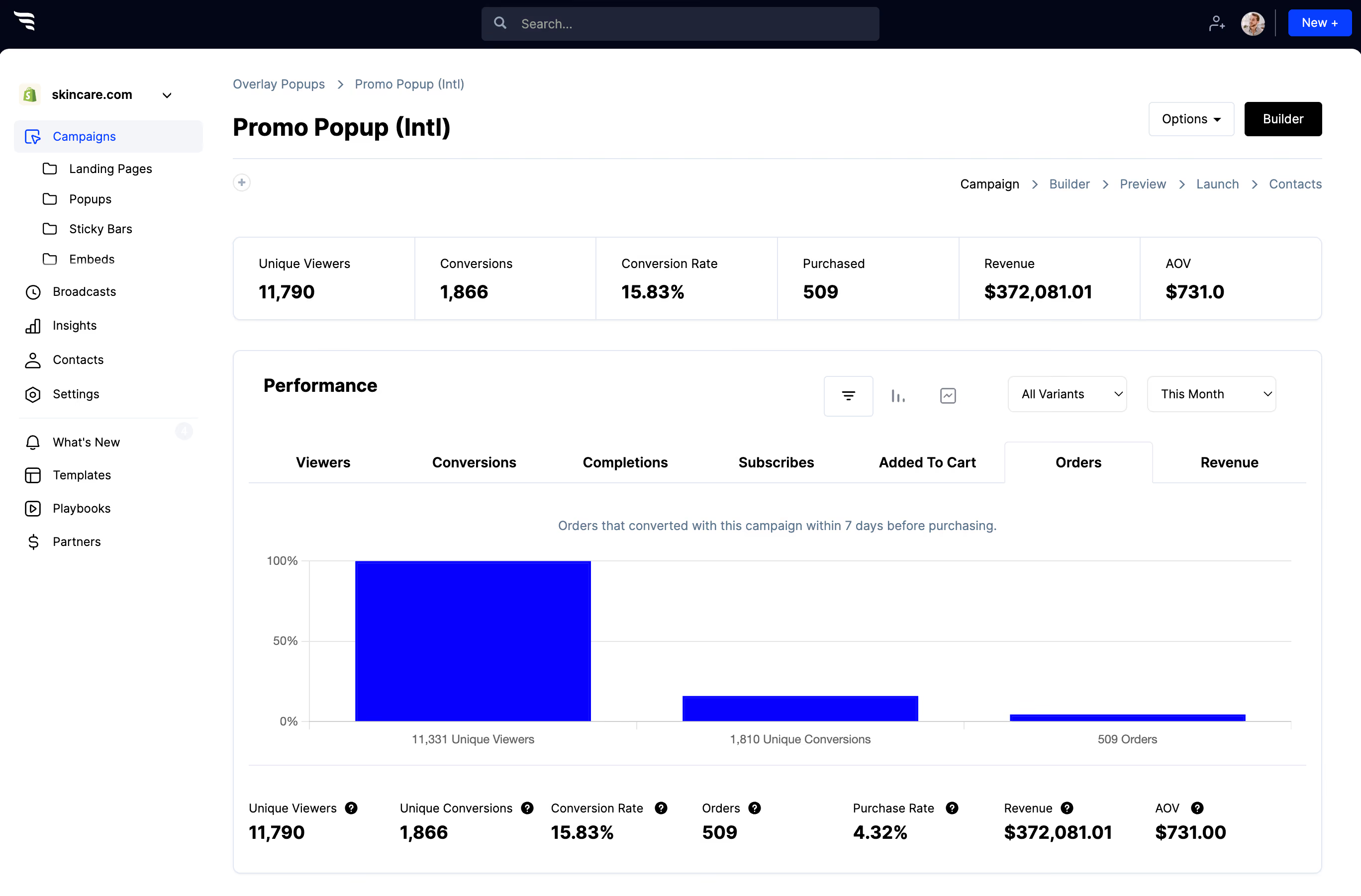
The funnel breakdown report shows how many people saw, converted and completed the form, and where they dropped off.
.avif)
Run the form with and without the reviews element and compare completion rate. It's a clean test, and the result is worth having rather than assuming — proof helps most where trust is the blocker, and less where the offer was obvious anyway.
Publish
- On Shopify: publish to a Shopify page in one click.
- On WordPress: add ConvertFlow's snippet once, then target the form to specific posts, pages or categories.
- Anywhere else: Webflow, Squarespace, Wix or any CMS take the same single embed snippet.



%20(1).avif)





.svg)
