




When you genuinely need more than one question
Most advice about surveys, including most of what's on this site, argues for asking one thing. That's right for feedback and satisfaction.
Sometimes it isn't enough. Client intake, applications, detailed research, qualification — these need a set of answers, and there's no version where one question does it.
This page is about that case: how to build something longer that people still finish.
The three techniques that matter
1. Split it across steps
The single biggest factor. Ten questions on one page look like work; the same ten across five steps look like a sequence.
There's a second benefit that matters more than the psychology: if contact details are on step one, someone who abandons at question six is still a contact. On a single-page form they're nothing.
2. Show progress
A multi-step questionnaire without a progress bar is an unknown length, and unknown length is exactly the anxiety that causes abandonment.
3. Ask conditionally
The best way to shorten a questionnaire is to stop asking questions that don't apply. Someone who says they're an existing customer shouldn't see the new-customer branch.
Step 1: Order the questions deliberately
Easiest first, most personal last.
Momentum is real — people who have answered three questions are far more likely to answer a fourth than to start from nothing. Budget, phone number and anything sensitive belongs late, once they've invested something.
Step 2: Build it
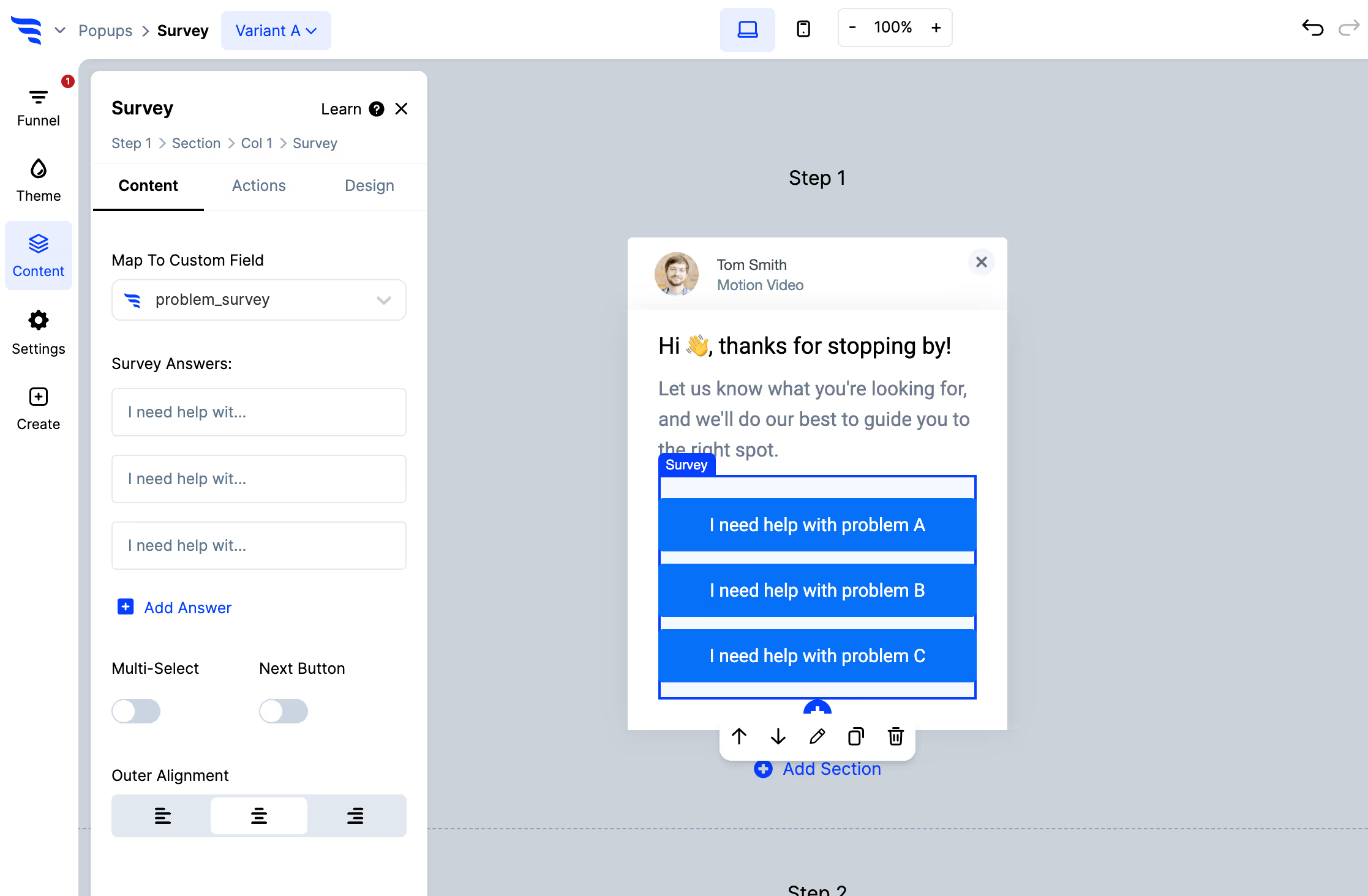
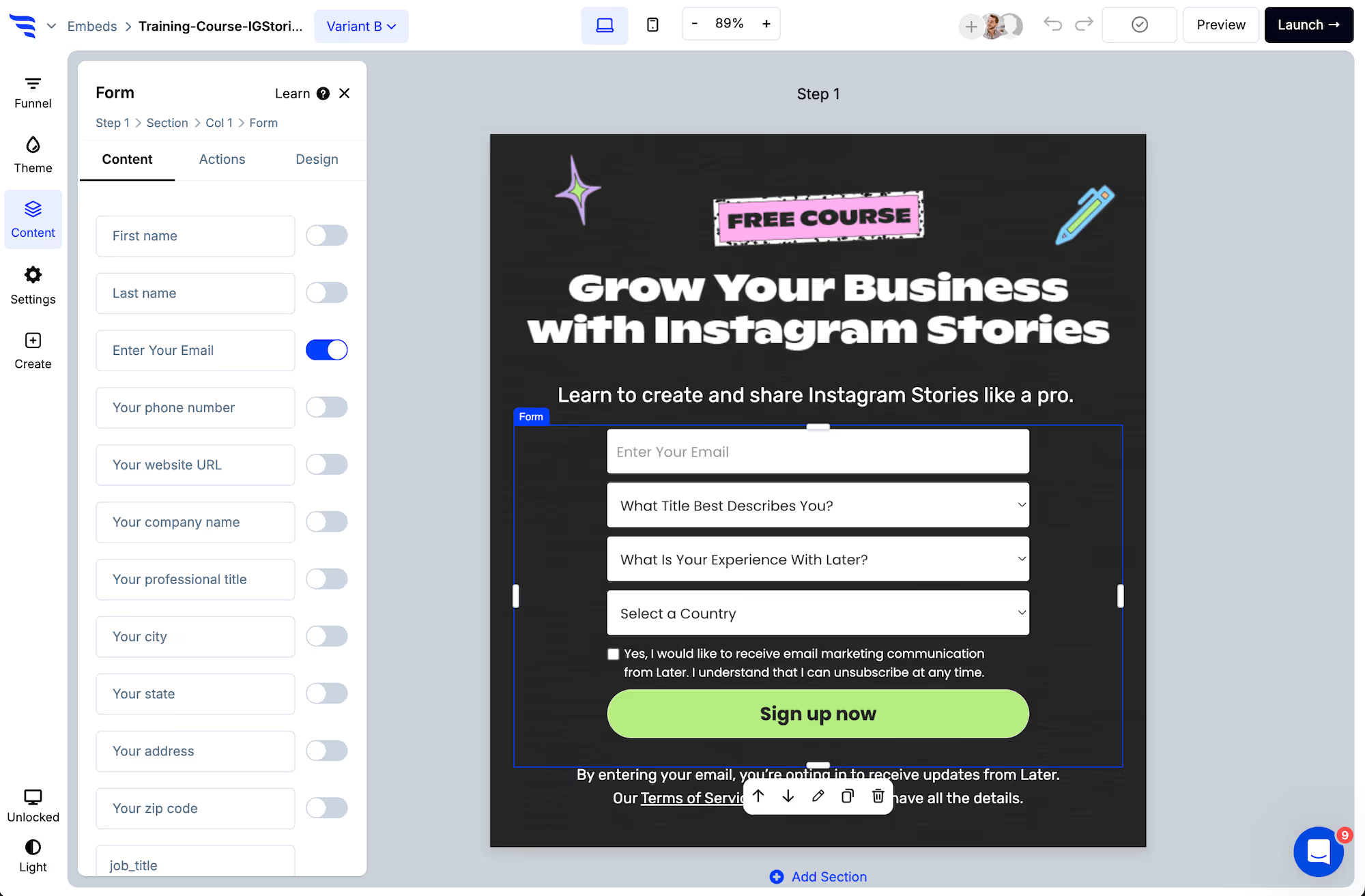
Add survey elements for the multiple-choice questions and form fields for anything requiring input — text, dropdown, numerical, or a range slider for quantities.
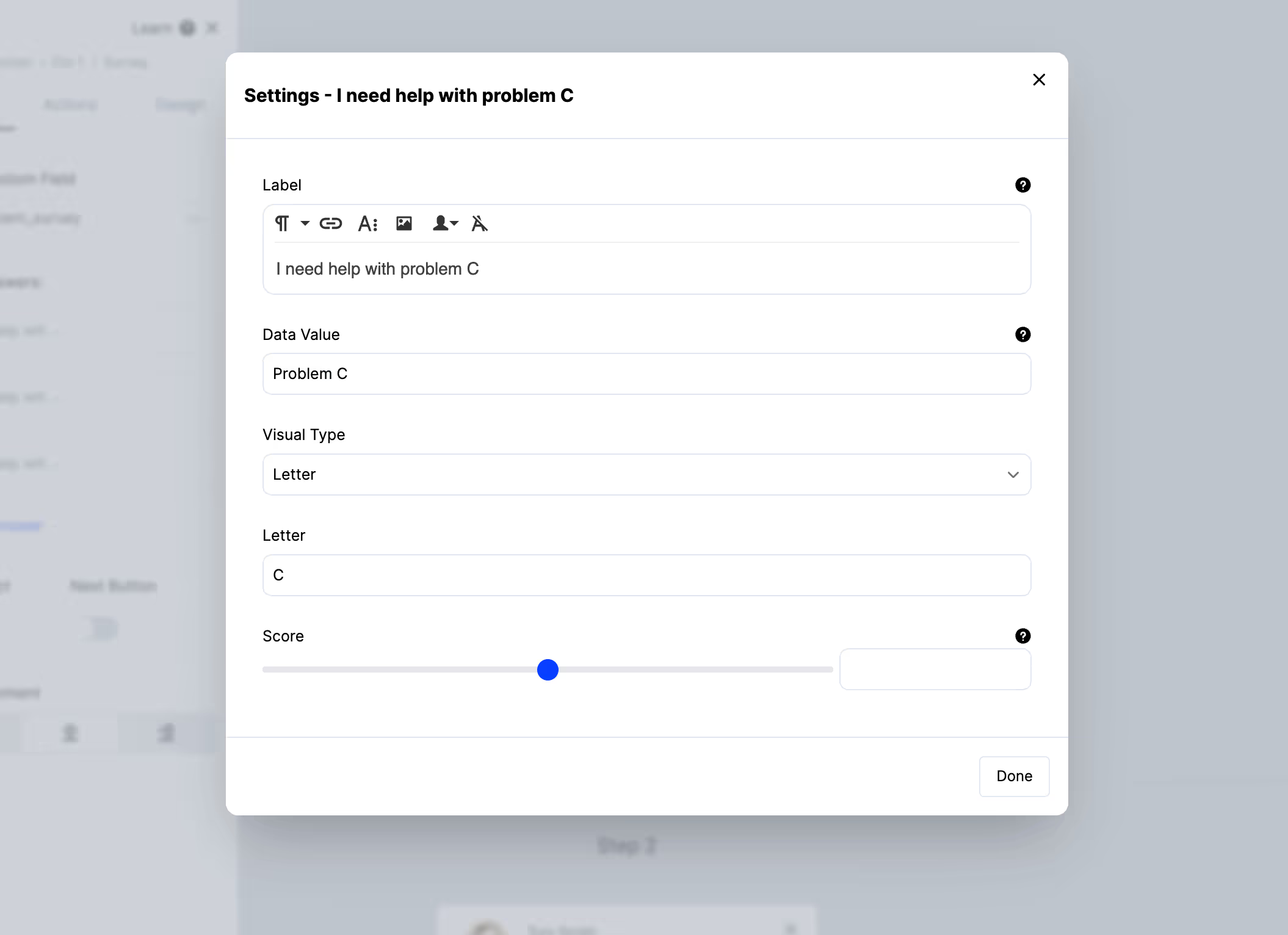
Keep the data values short and consistent — on a long questionnaire you'll be building segment conditions from a lot of fields, and sloppy values become unusable at scale.
Step 3: Capture contact details on step one
.png)
This is the structural decision that changes what an abandoned questionnaire is worth. Turn on email verification while you're there.

Step 4: Show the progress bar
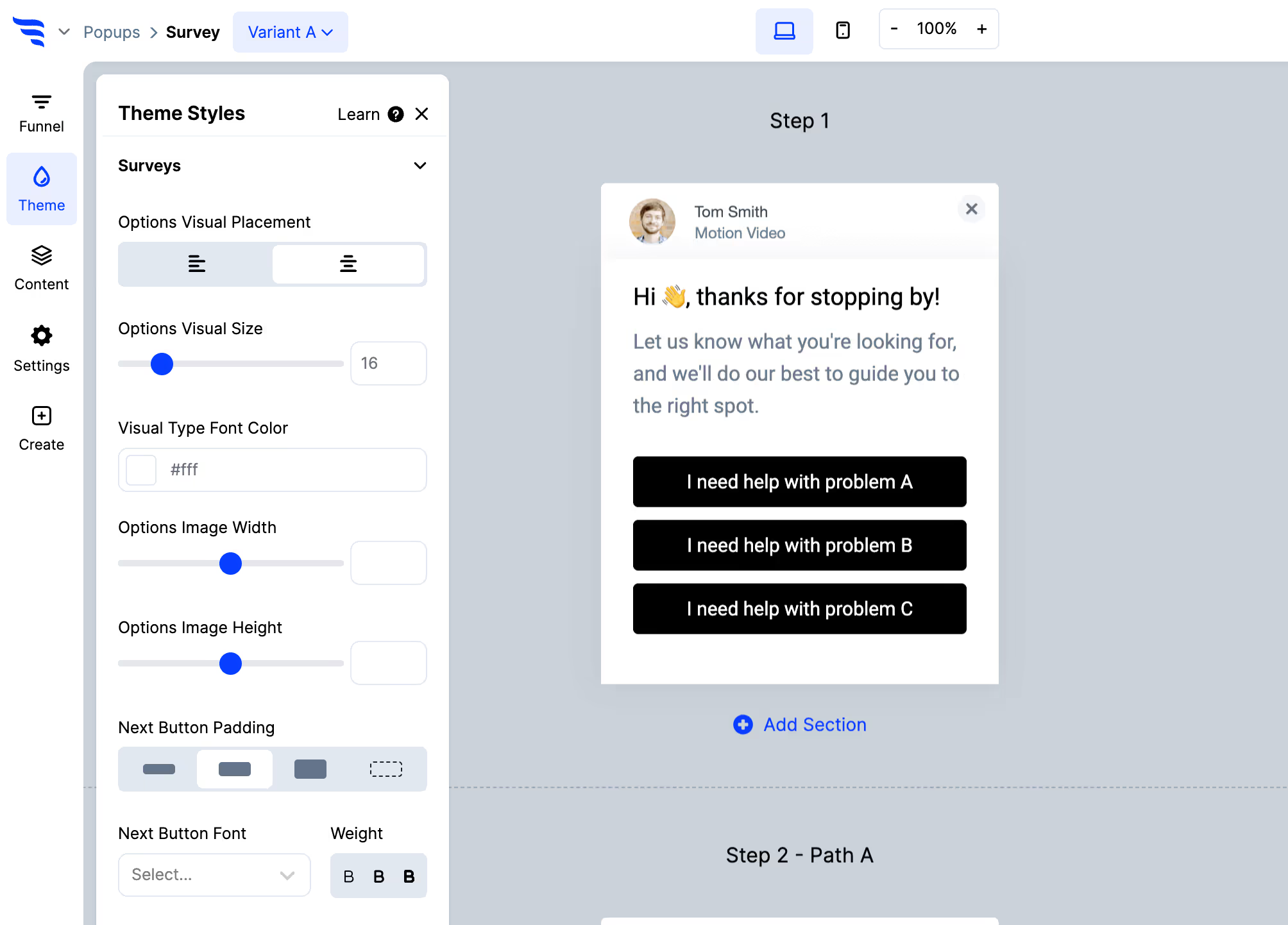
Set styling at theme level so every step matches, and leave progress visible.
Step 5: Skip what doesn't apply
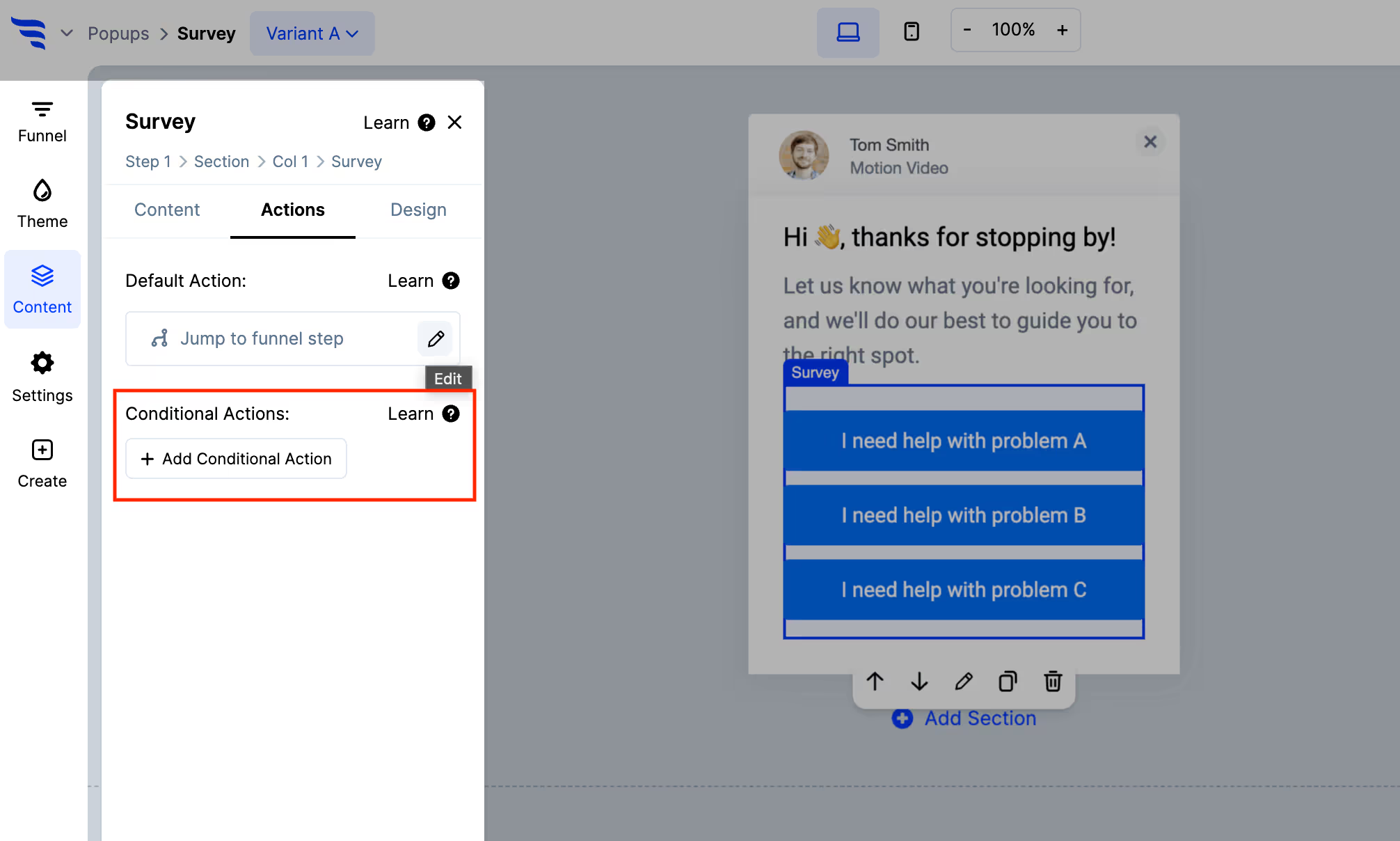
Conditional actions let a step be skipped when an earlier answer makes it irrelevant. This is where a questionnaire gets genuinely shorter rather than just feeling shorter — and on a long instrument it's the difference between finishing and not.
Step 6: Send answers where they'll be used
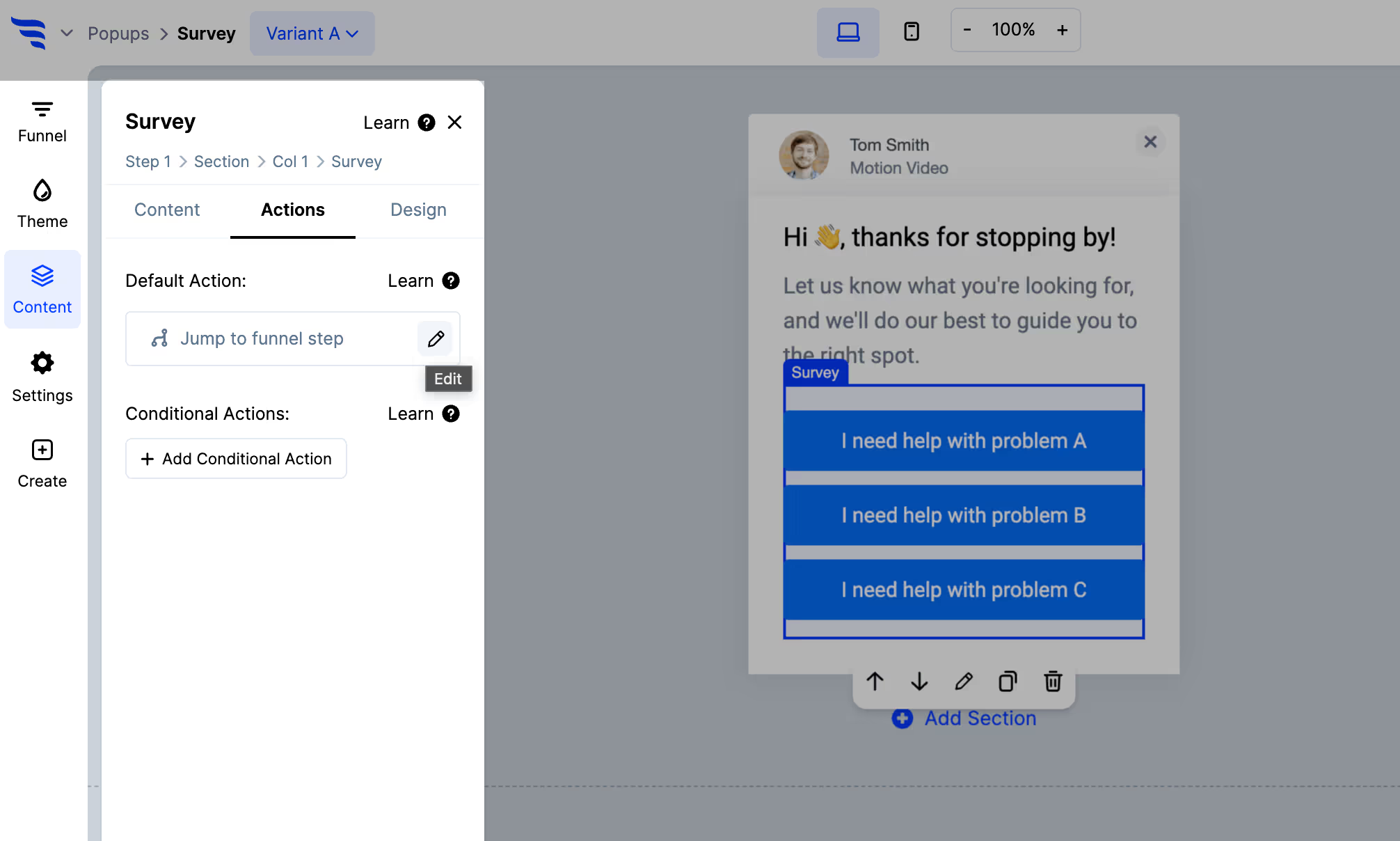
Map every answer to a field in your CRM or email platform.
For intake and qualification questionnaires this is the whole point — whoever picks it up should open a record with the brief already filled in, not a transcript to read.
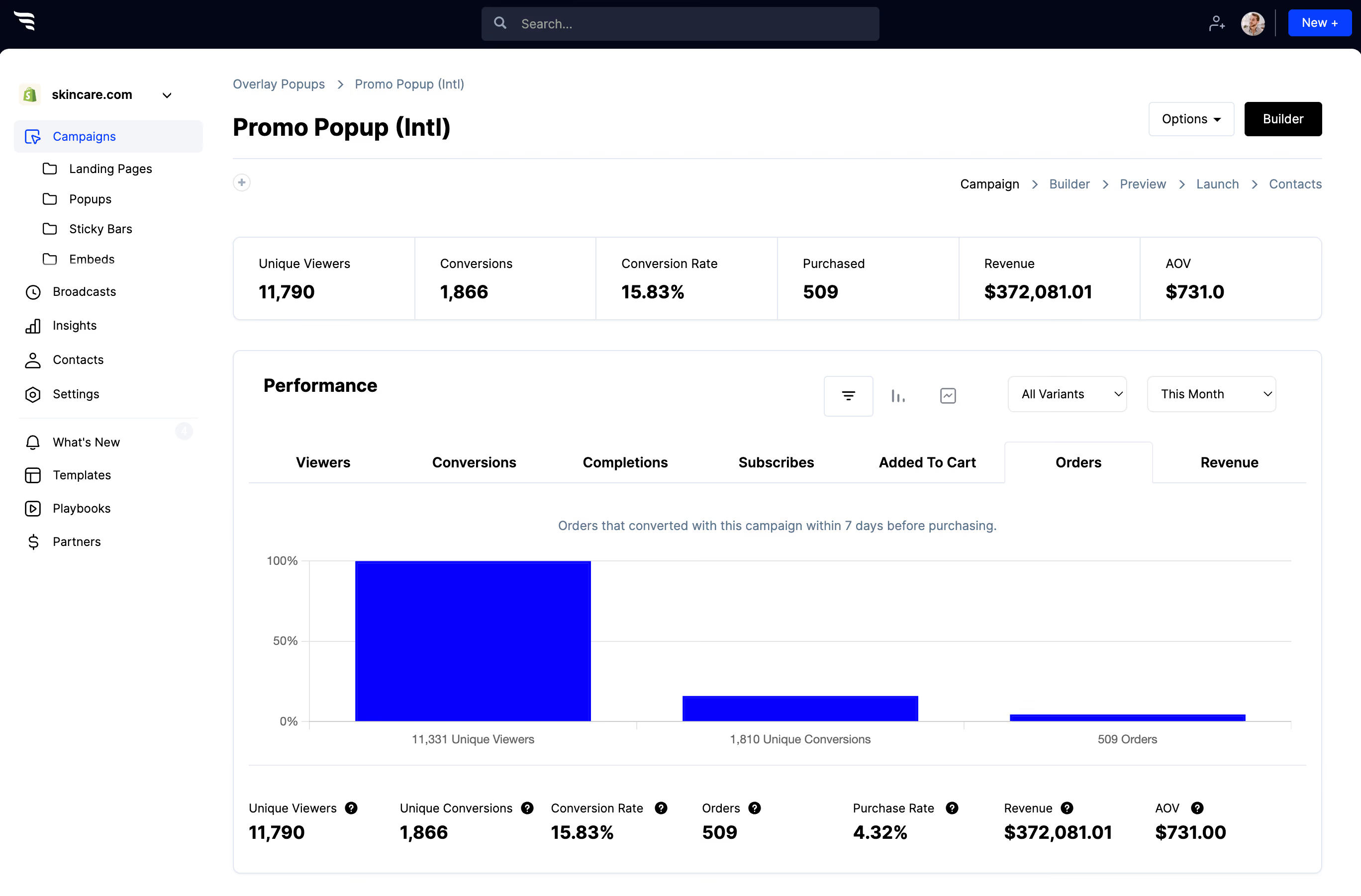
Step 7: Read the per-step drop-off
.avif)
This is the report that shortens the questionnaire for you. The step with the steepest drop is too personal, too early, or badly worded.
And the honest test for every question: does anyone actually use this answer? On long questionnaires the answer is frequently no for at least two of them — and each one is costing you completions.



%20(1).avif)






.svg)
