




Why run Salesforce surveys in ConvertFlow
Salesforce Surveys is built for sending a survey to people already in your CRM. That's a different job from asking a question of an anonymous website visitor — and capturing them as a record at the same time.
A survey wired into Salesforce through ConvertFlow does the second job. Each answer is written to a field on the record, so it becomes reportable CRM data rather than a response sitting in a separate tool.
Connect Salesforce to ConvertFlow
Connect Salesforce from ConvertFlow's Integrations area and grant it permission. There's no API key or security token.
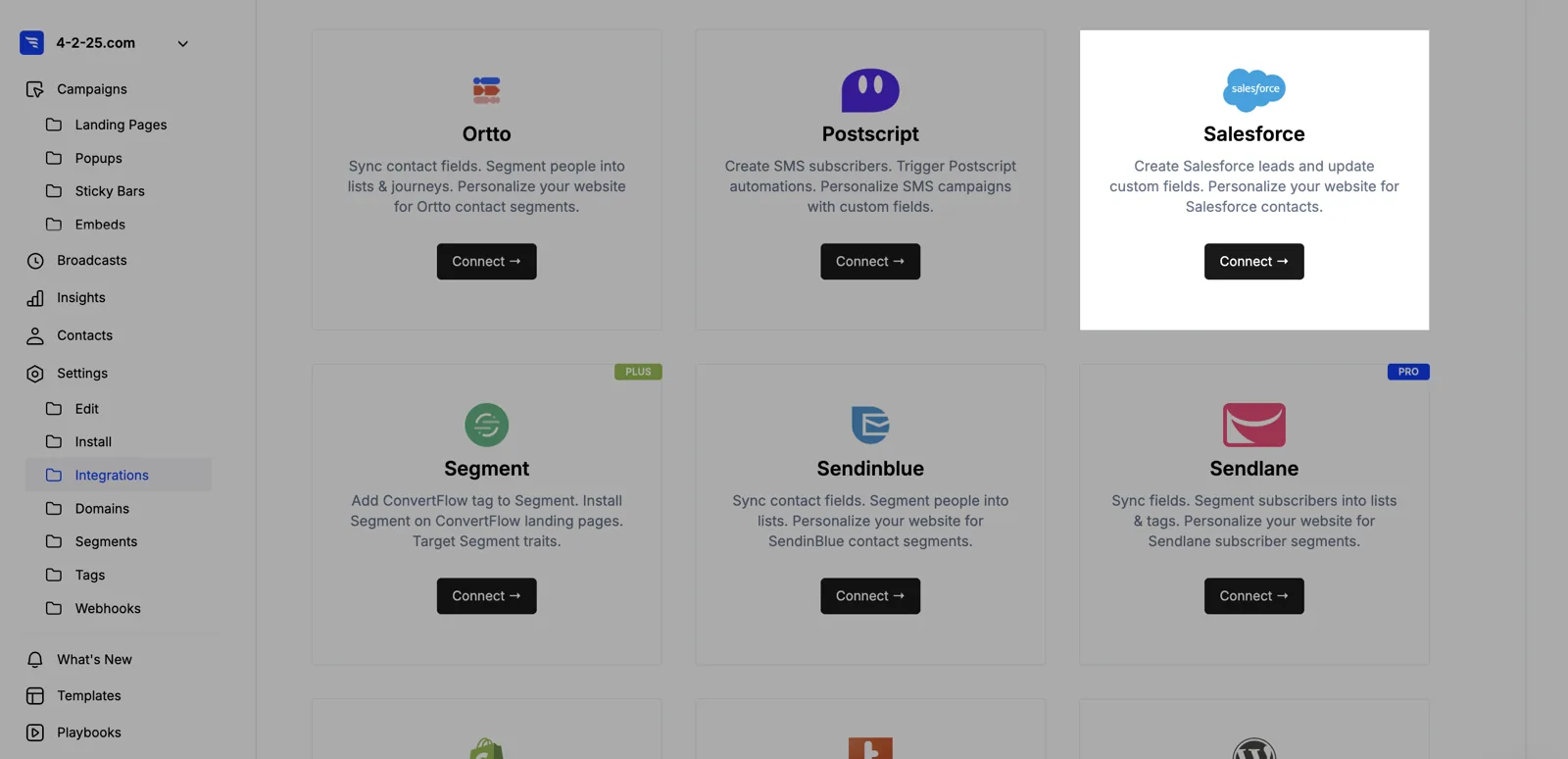
ConvertFlow then pulls in your fields and campaigns. If your org uses Person Accounts, enable the "Use Person Accounts" toggle and resync the integration before you start mapping.
Before you build: ConvertFlow maps survey answers into fields that already exist in your Salesforce org. Decide what you'll ask, then create the matching fields there first.
How to build the best Salesforce surveys
By adding a survey to your ConvertFlow landing page, popup, or embed, you can ask visitors a question and present fixed answers for them to select.
To add one, click to add an element and choose the "survey" element type.
Survey options
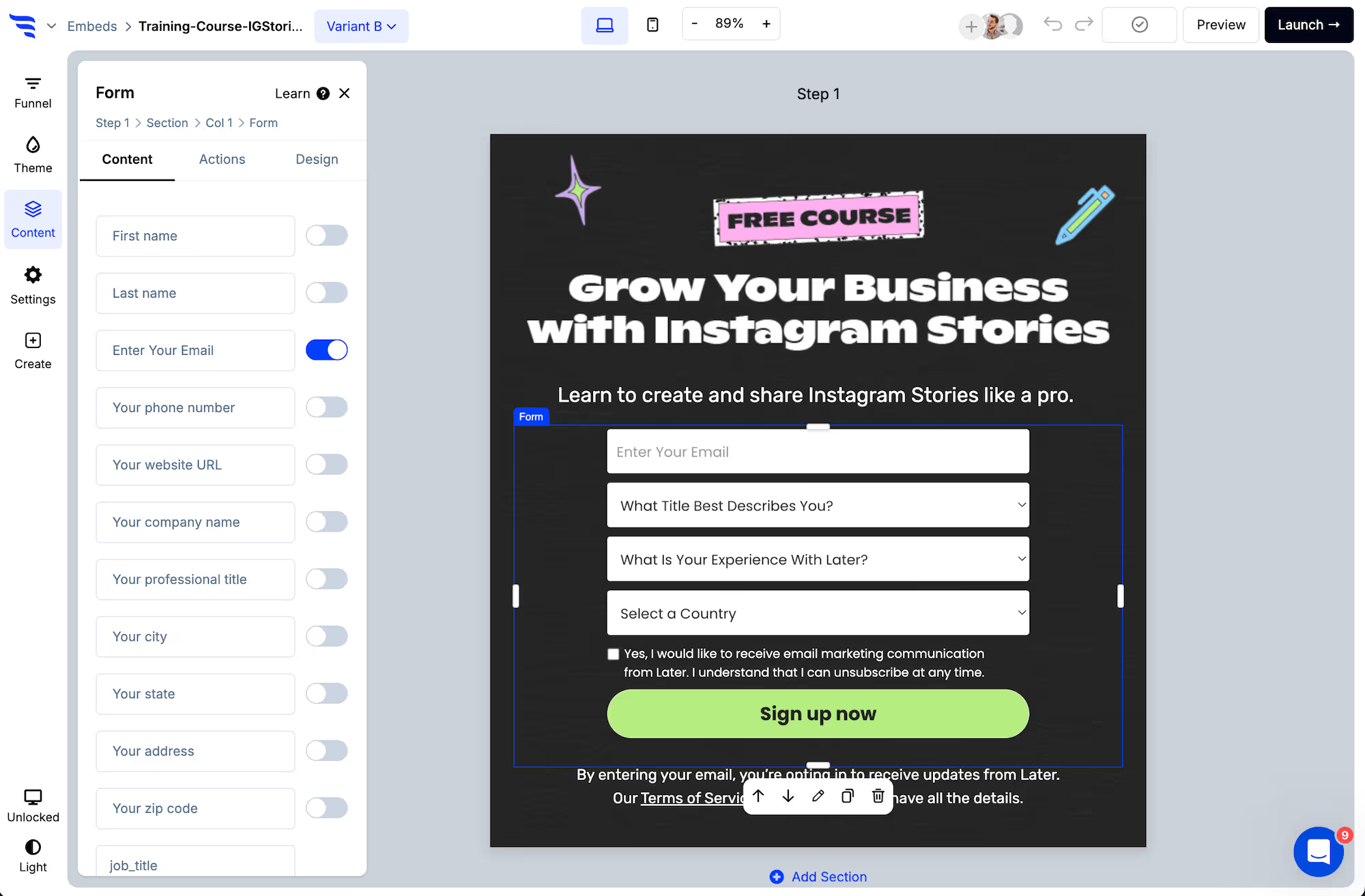
Once you've selected a survey element, you'll be able to manage its options in the builder panel.
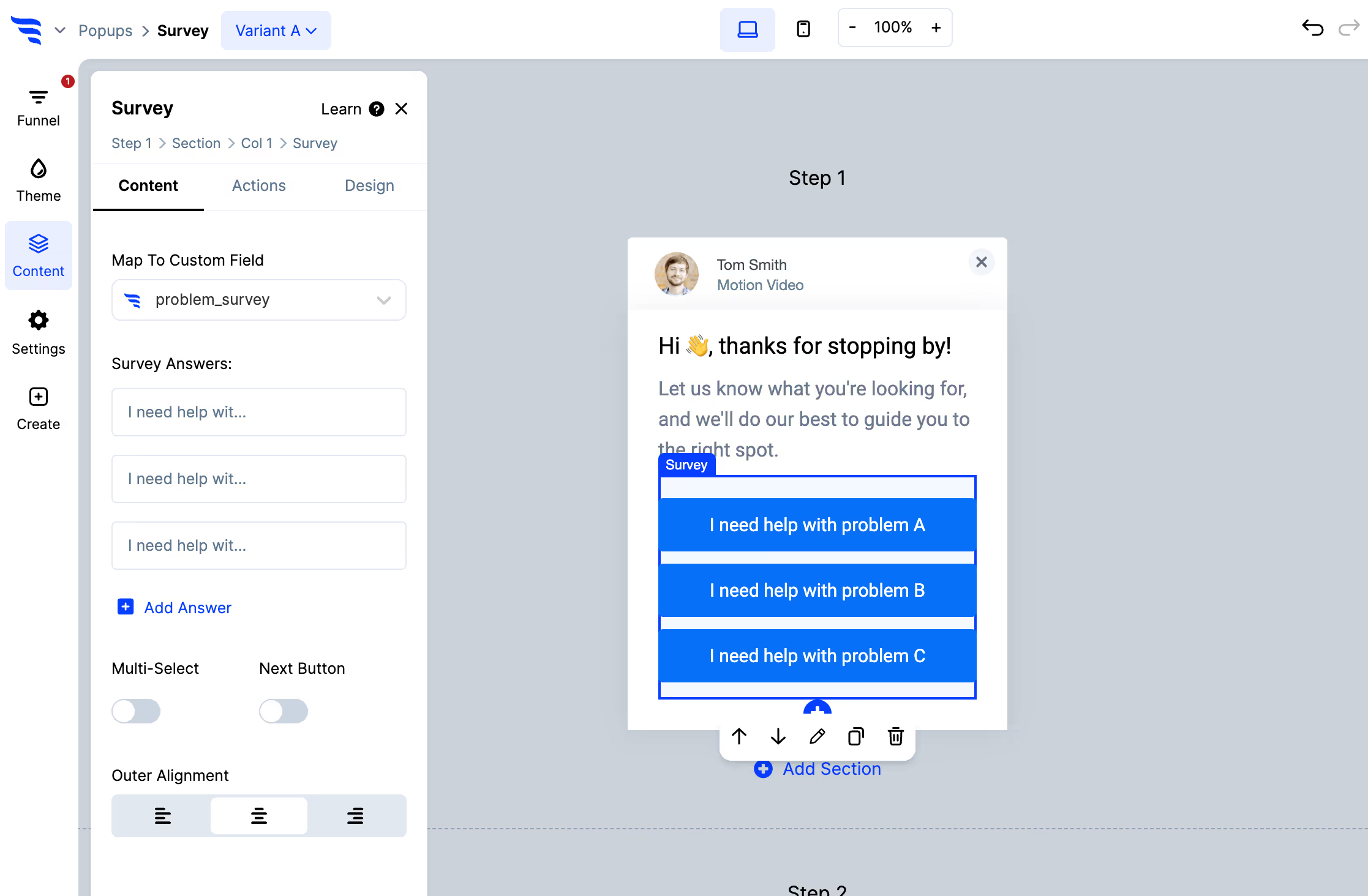
Add options, arrange their position, edit their text, and map the survey to a Salesforce field. Toggle "multi-select" if visitors should be able to choose more than one — multiple values are written separated by commas.
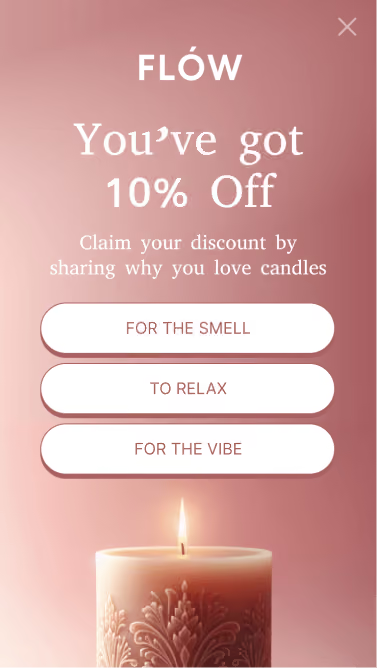
Each option can also carry an image, so the survey can present clickable images rather than text.
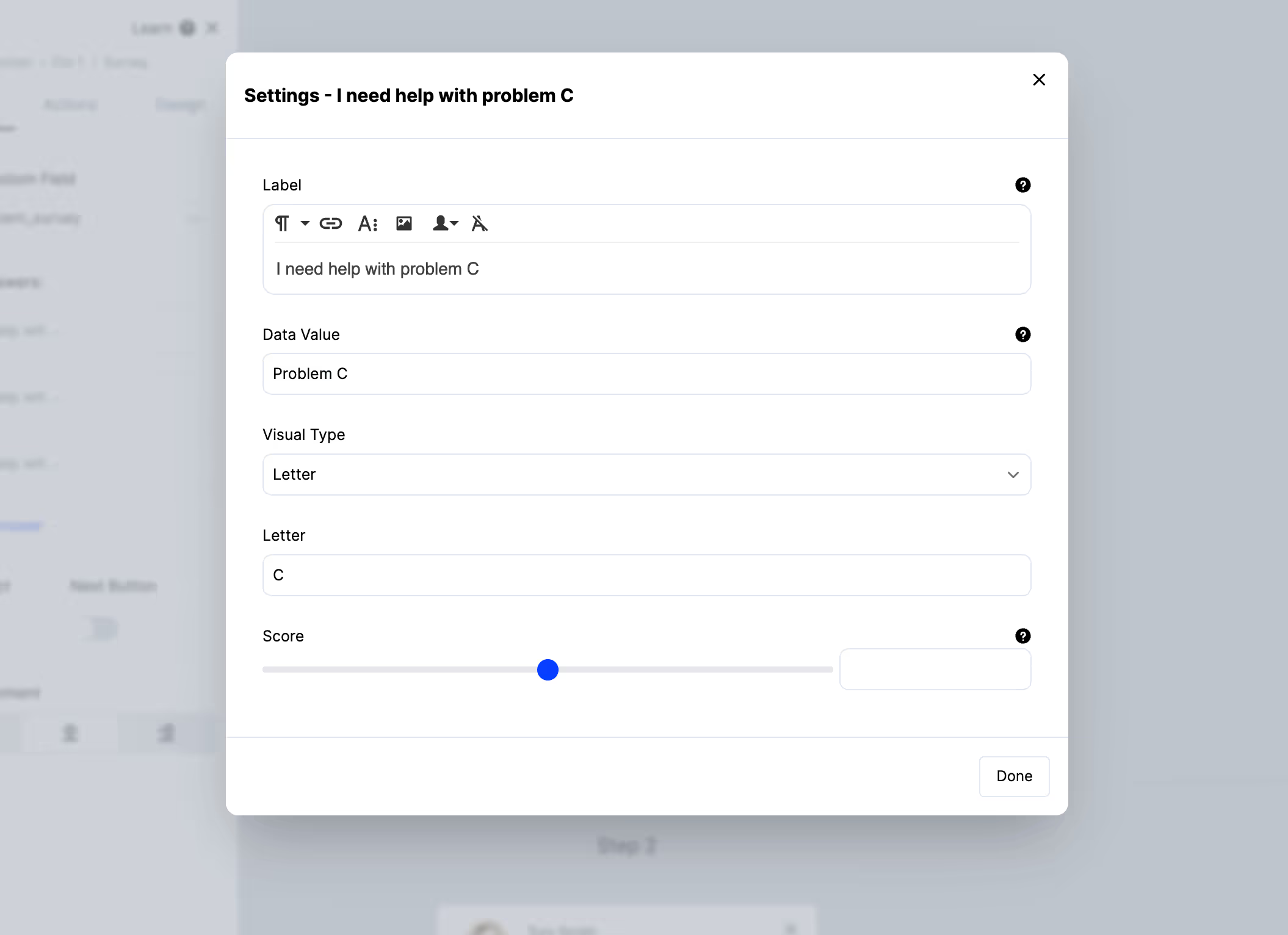
To control additional settings for your survey options, such as:
- Separating the data value from the displayed label
- The image used in the survey option
- The score increase or decrease applied by the option
Click on the survey option to open a settings modal where you can control each of these.
Map survey answers to Salesforce fields
Use the "Map to custom field" dropdown on the survey element and select from your Salesforce fields. The field needs to exist in your org already — there's no create-on-the-fly.
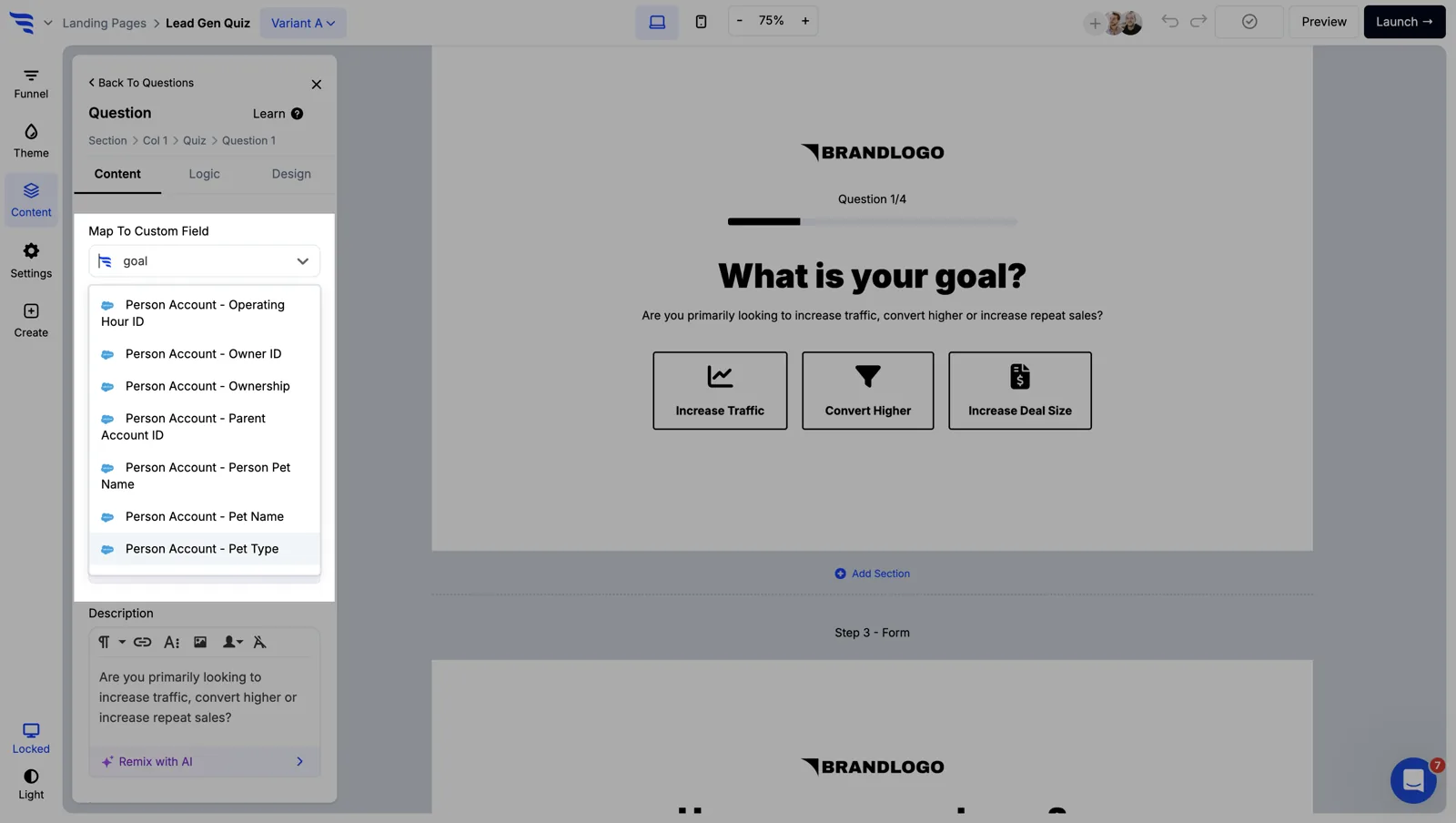
If the field you're mapping to is a picklist in Salesforce, keep your answer values consistent with the picklist values exactly — a value that isn't in the picklist can be rejected on write, and the rest of the record still saves, which makes the problem easy to miss.
Styling your survey
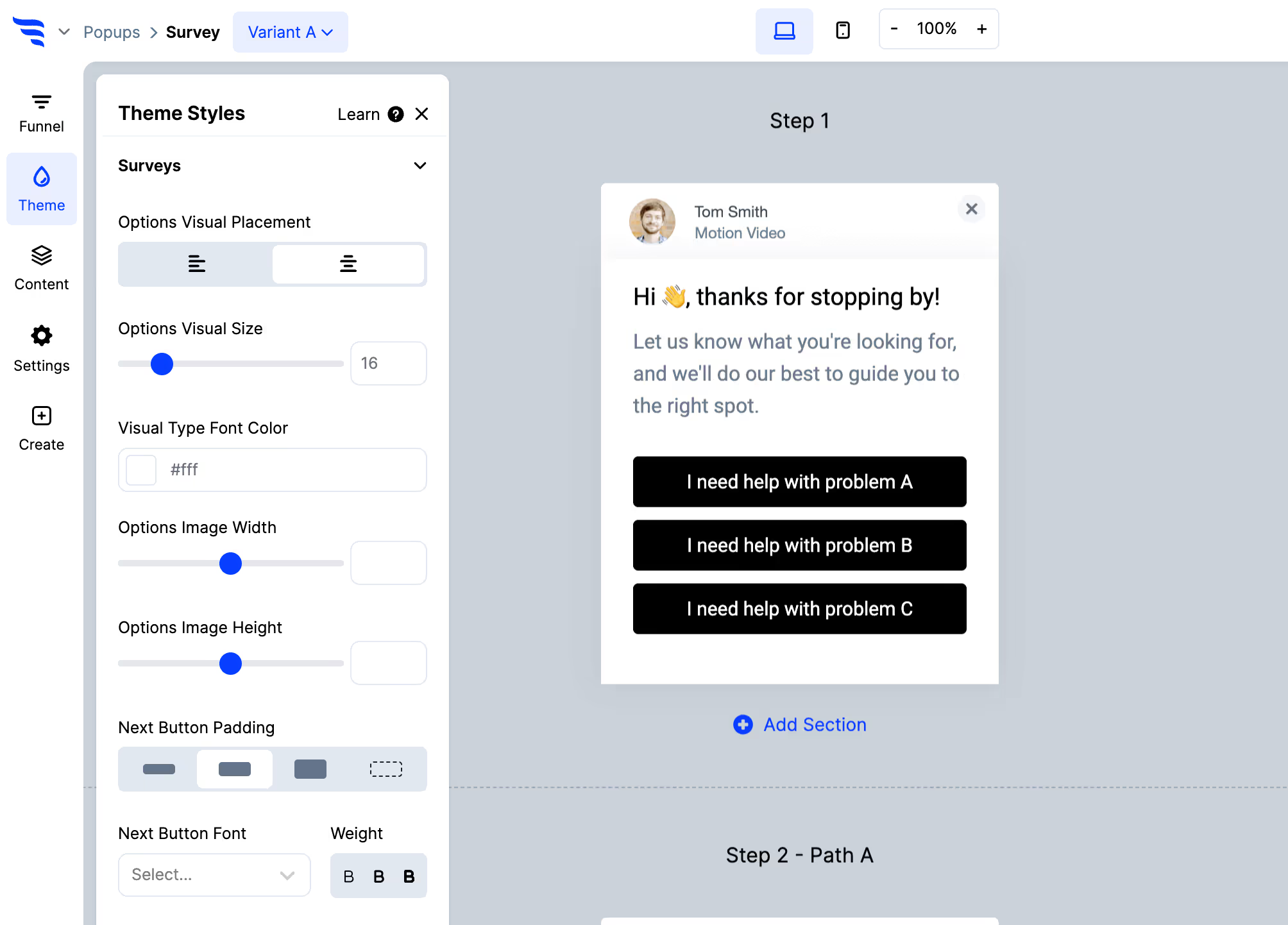
Below the option settings and in the "Themes" tab, you'll find style controls — width, text alignment, fonts, colours, sizing, whether options are stacked or responsive, drop shadows and more.
Survey confirmation actions
With a survey element selected, click to the "Actions" tab to choose what happens when someone selects an option.
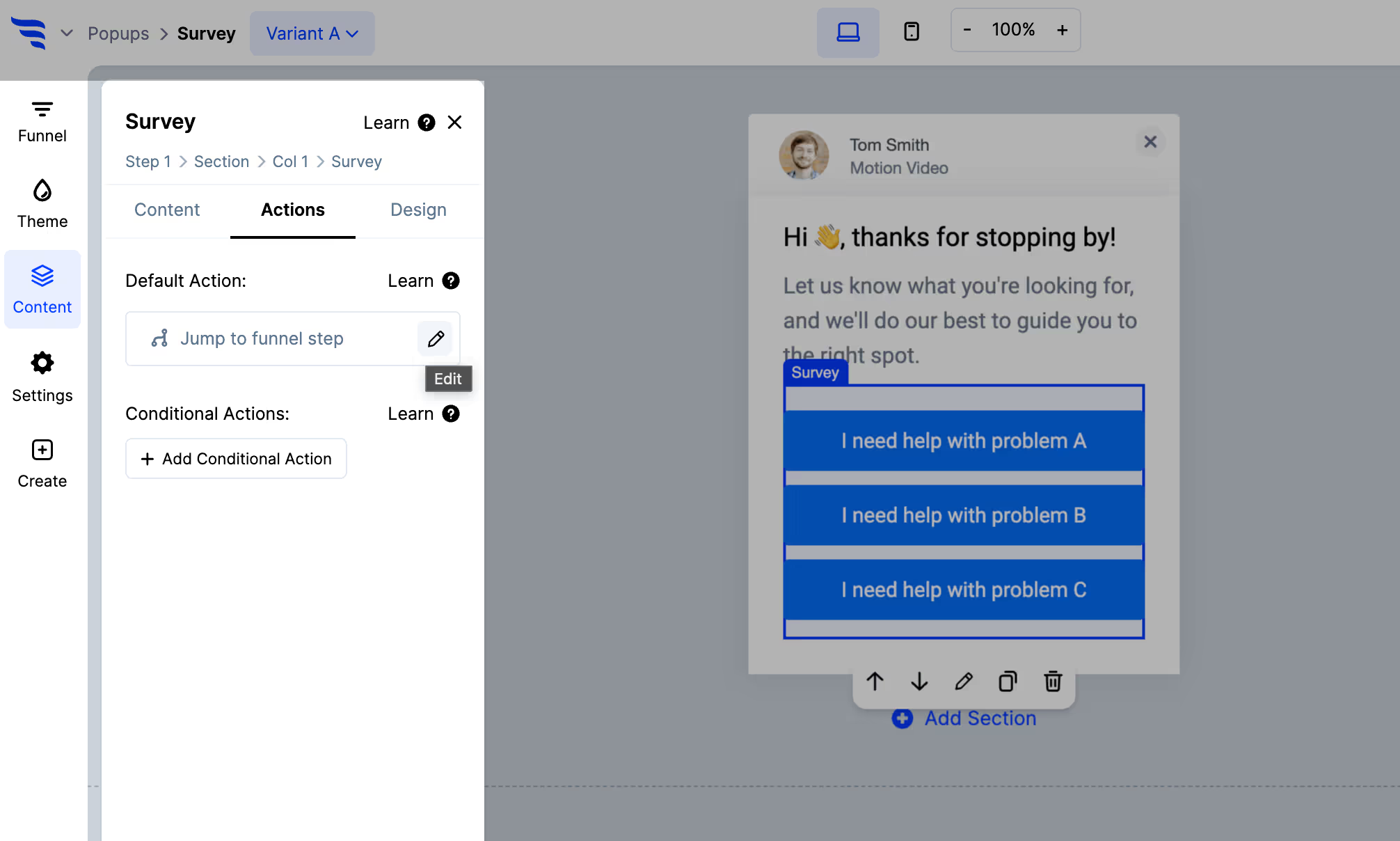
- Redirect visitors to a URL
- Show another step in the campaign, or specific steps based on the selection
- Display a thank you message
- Display another ConvertFlow campaign
- Open an SMS message to a phone number
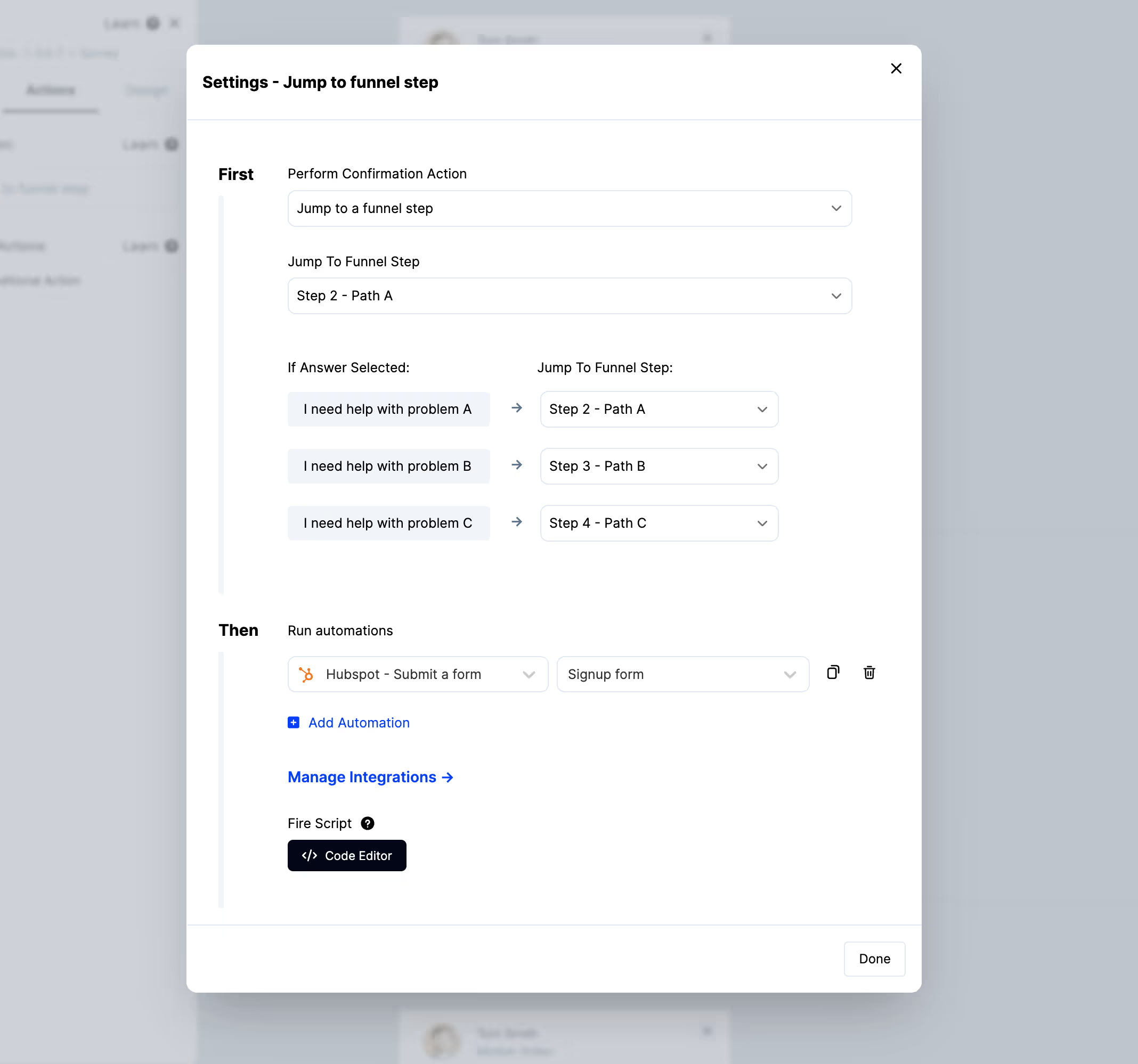
Adding Salesforce automations
Alongside ConvertFlow actions like lead alerts and tags, add automations that add the contact to a Salesforce campaign once they've answered — so the survey's respondents are reportable as a campaign rather than only as field values.
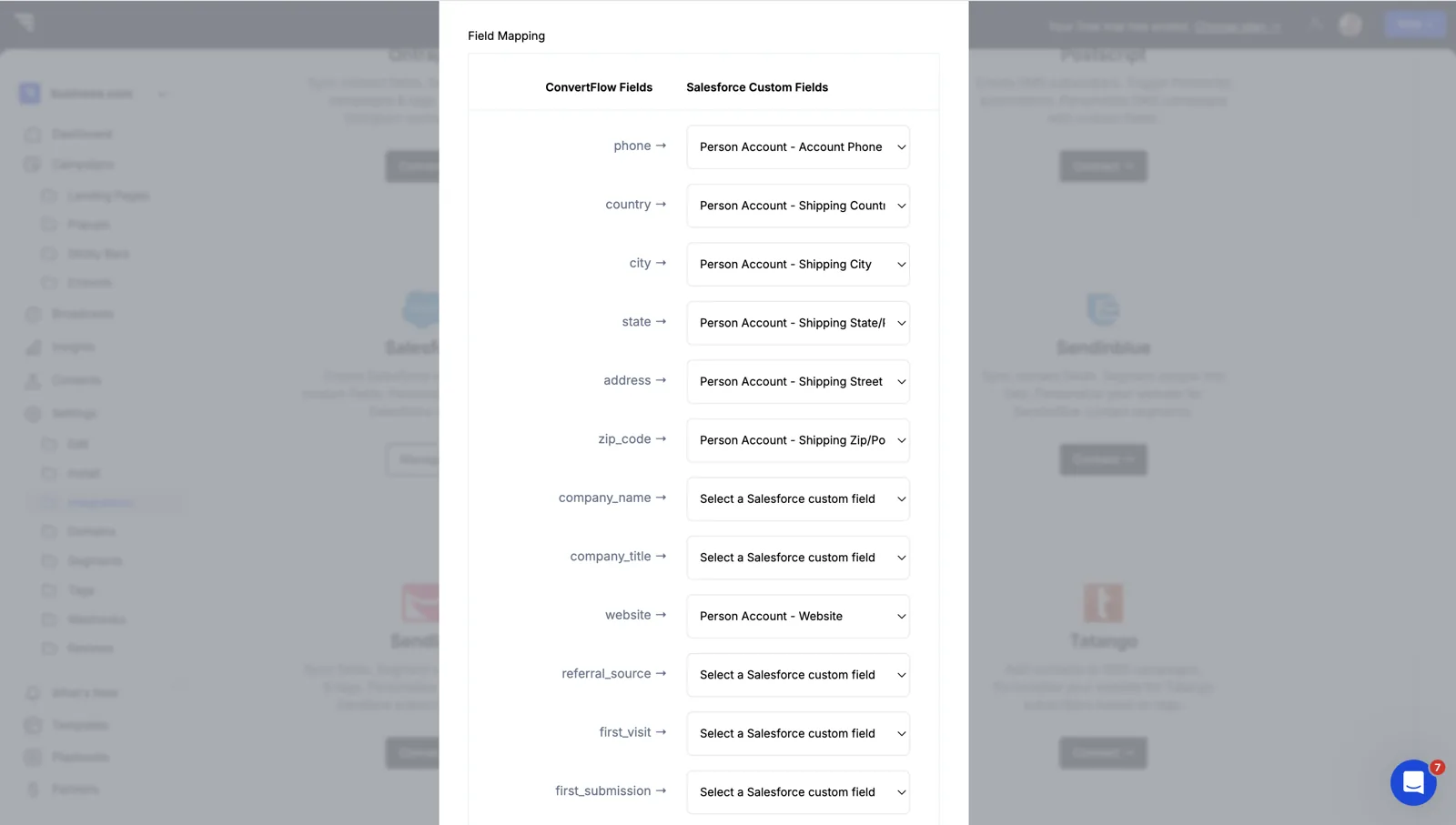
Map preset fields to Salesforce
Email address is mapped for you. For the rest, manage the integration on your Integrations page and enter each field's data name — Salesforce's API name, not the display label.
Running scripts & pixels on completion
By adding scripts to your survey's confirmation actions, you can fire conversion pixels and perform other custom javascript. ConvertFlow runs scripts added here only after a survey option has been selected.
Adding conditional logic
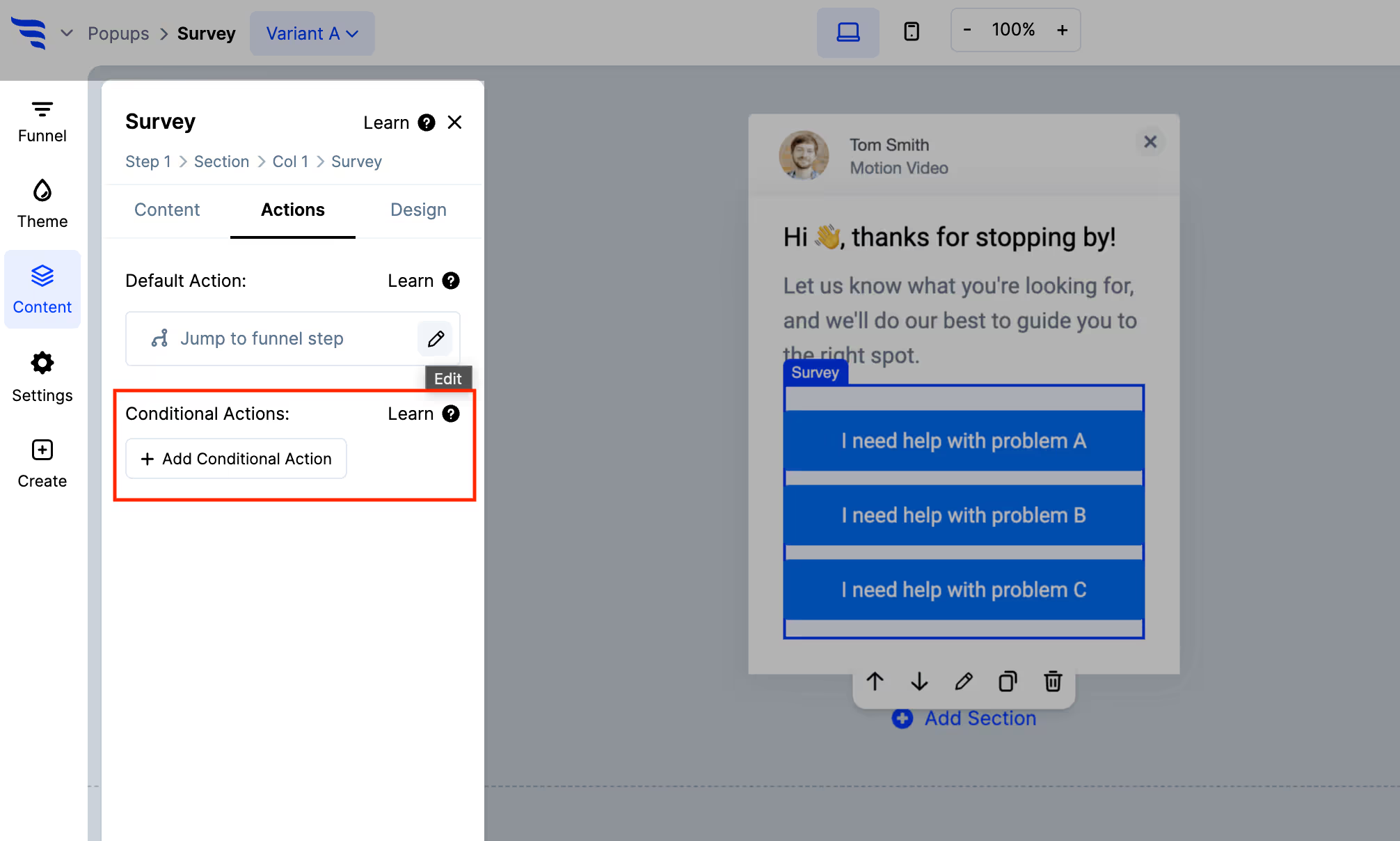
By default the survey performs the confirmation action you've set. Click "+ Add Conditional Action" to act only on visitors meeting your conditions — useful for routing by the sum of their selections, or adding to a different Salesforce campaign per answer.
Target who gets asked
With Salesforce connected, target the survey using your Salesforce contact data — existing customers only for a post-sale question, a particular segment for research — rather than showing it to all traffic and diluting the responses.
Report and personalize
Once answers are landing on Salesforce records, your existing reports and list views can filter on them immediately — no separate survey export to reconcile.
You can also personalize your website for Salesforce contacts, so what someone told you in the survey changes what they see on their next visit.



%20(1).avif)




.svg)
