




Why most satisfaction surveys under-deliver
The standard approach is an emailed survey a few days after an interaction. It has two problems that are hard to fix afterwards.
The sample is biased. People who reply to an unsolicited survey days later are disproportionately those with something to complain about, or your most loyal customers. The satisfied middle — most of your base — doesn't respond.
The memory has faded. A rating given four days later measures a recollection, not the experience.
An on-site survey asked at the moment fixes both. Response rates are higher because it's one click in context, and the answer reflects what actually happened.
Step 1: Decide what you're measuring
Two common measures, and they answer different questions:
- CSAT — satisfaction with a specific interaction. Ask right after it.
- NPS — likelihood to recommend, as an overall relationship measure. Ask periodically, not after every touch.
Both are fine. What matters more is the follow-up question, which is where the actionable information lives.
Step 2: Add a survey element
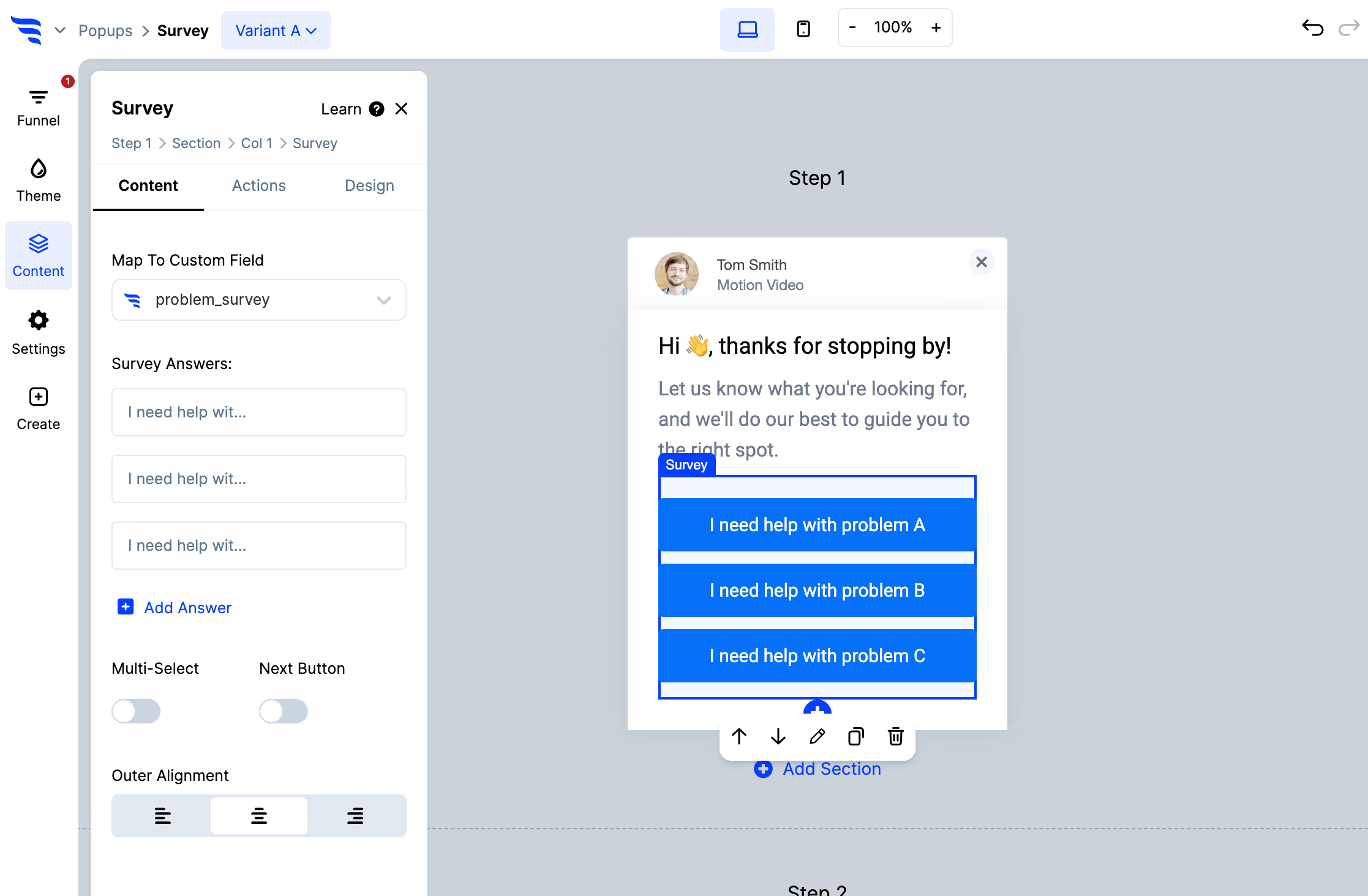
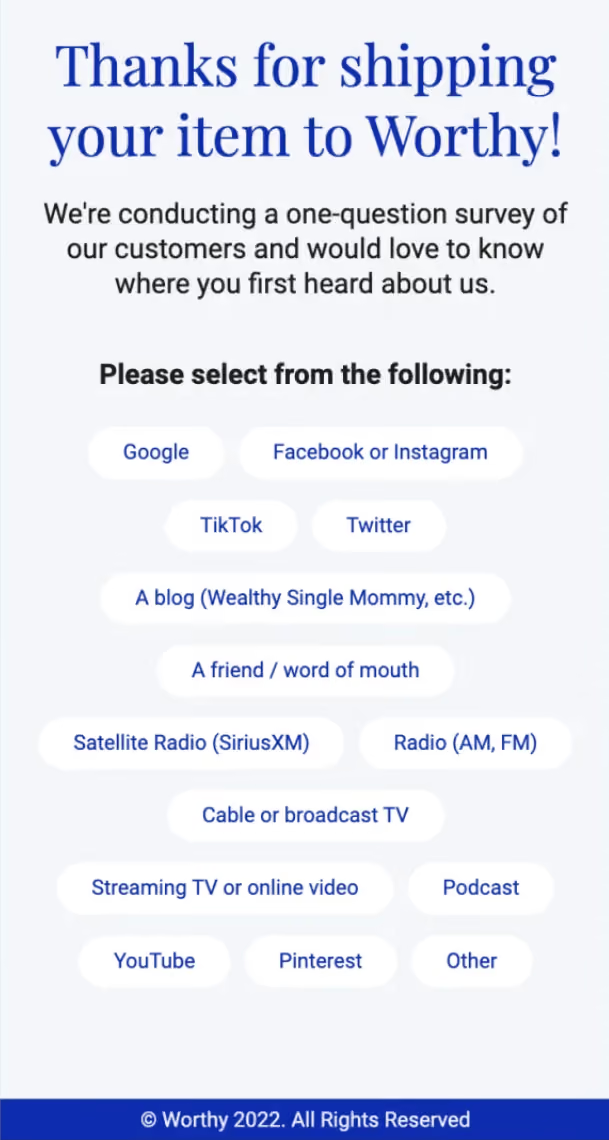
Add the survey to a page, popup or embed. Use a rating scale, or icon or emoji options — for a satisfaction question these outperform text options, because they're answerable at a glance.
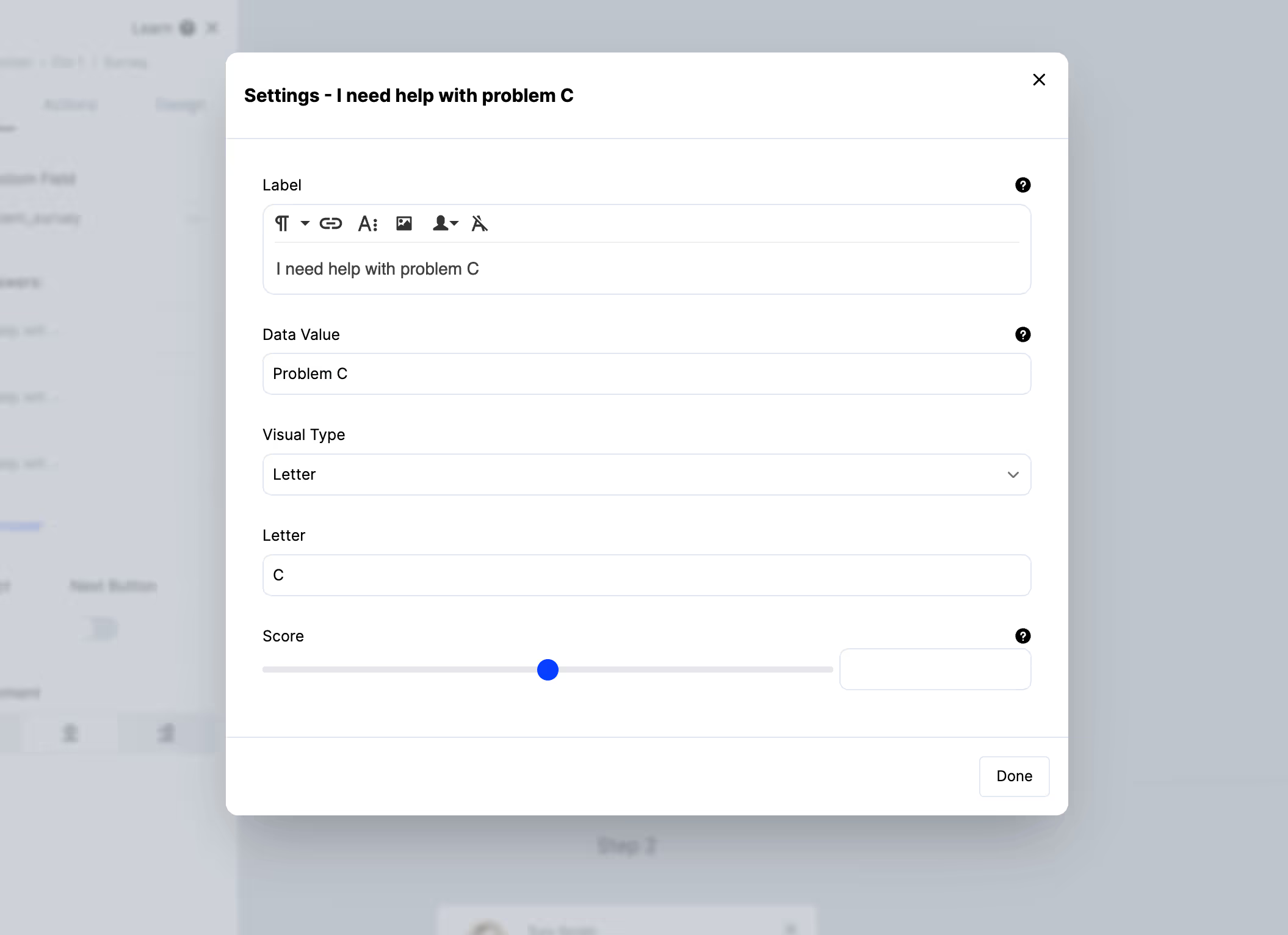
Click an option to set its data value separately from its label, and give each a score so the rating is stored as a number you can segment on.
Step 3: One question, then stop
The single biggest lever on response rate.
A one-question survey in context gets answered by people who would never open an emailed form. Every additional question up front costs you the responses you were trying to get.
Ask the follow-up after the rating instead — conditionally, which is step 5.
Step 4: Style it quietly
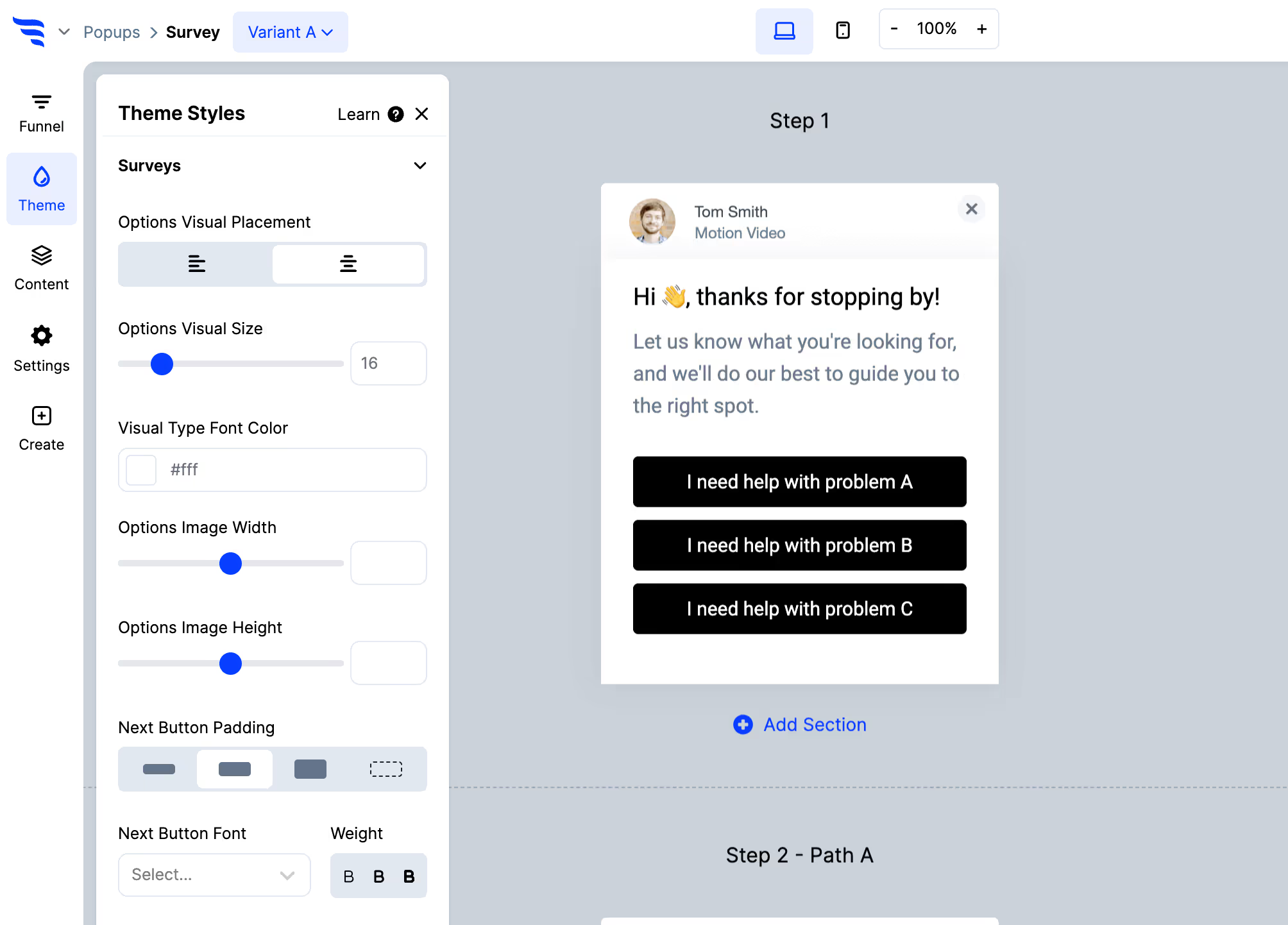
A satisfaction survey styled like a promotion gets dismissed like one. Keep it visually quieter than your marketing campaigns — it's asking for a favour, not making an offer.
Step 5: Branch on the rating
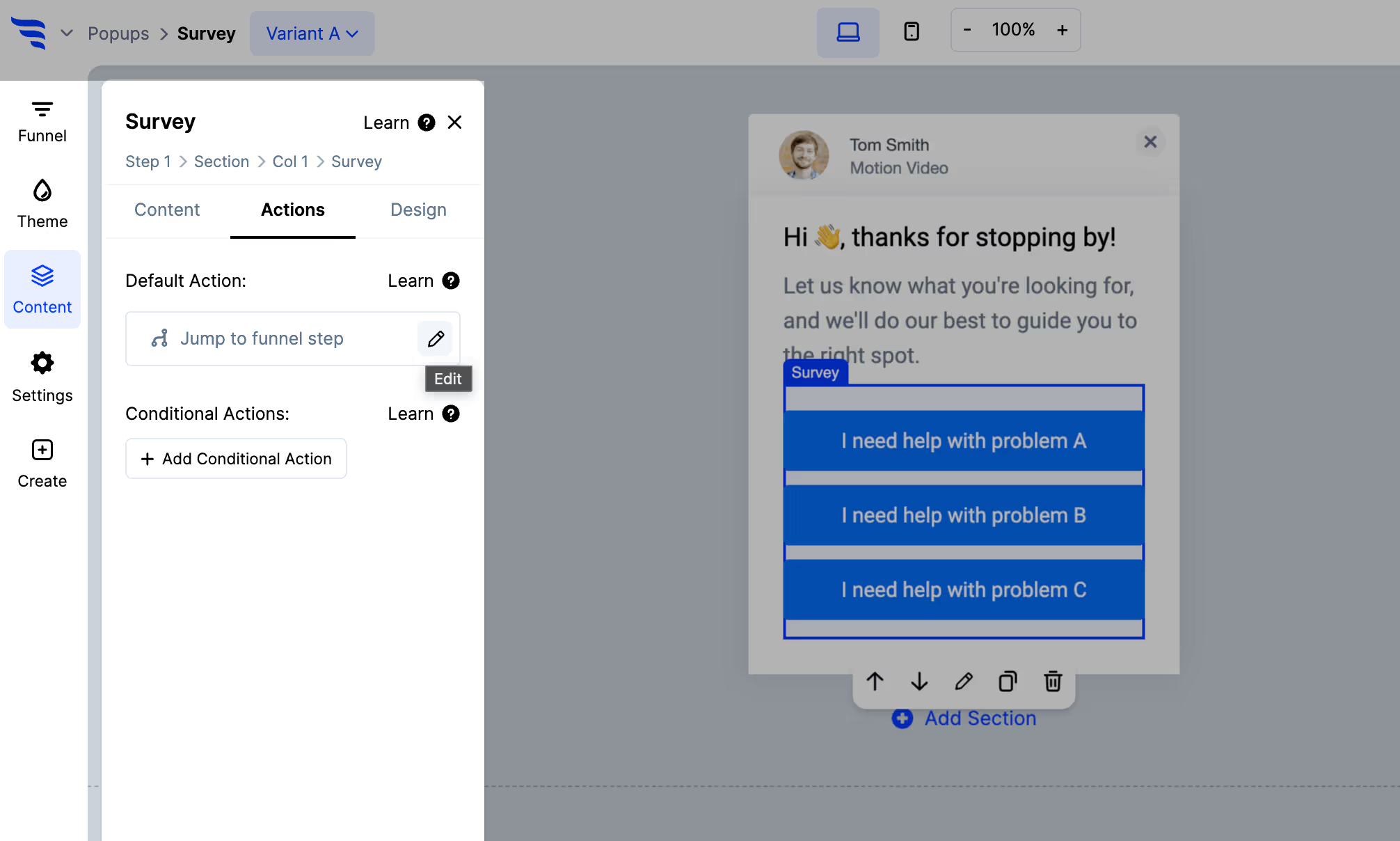
This is what turns a score into something useful. Add conditional actions so the follow-up depends on the rating.
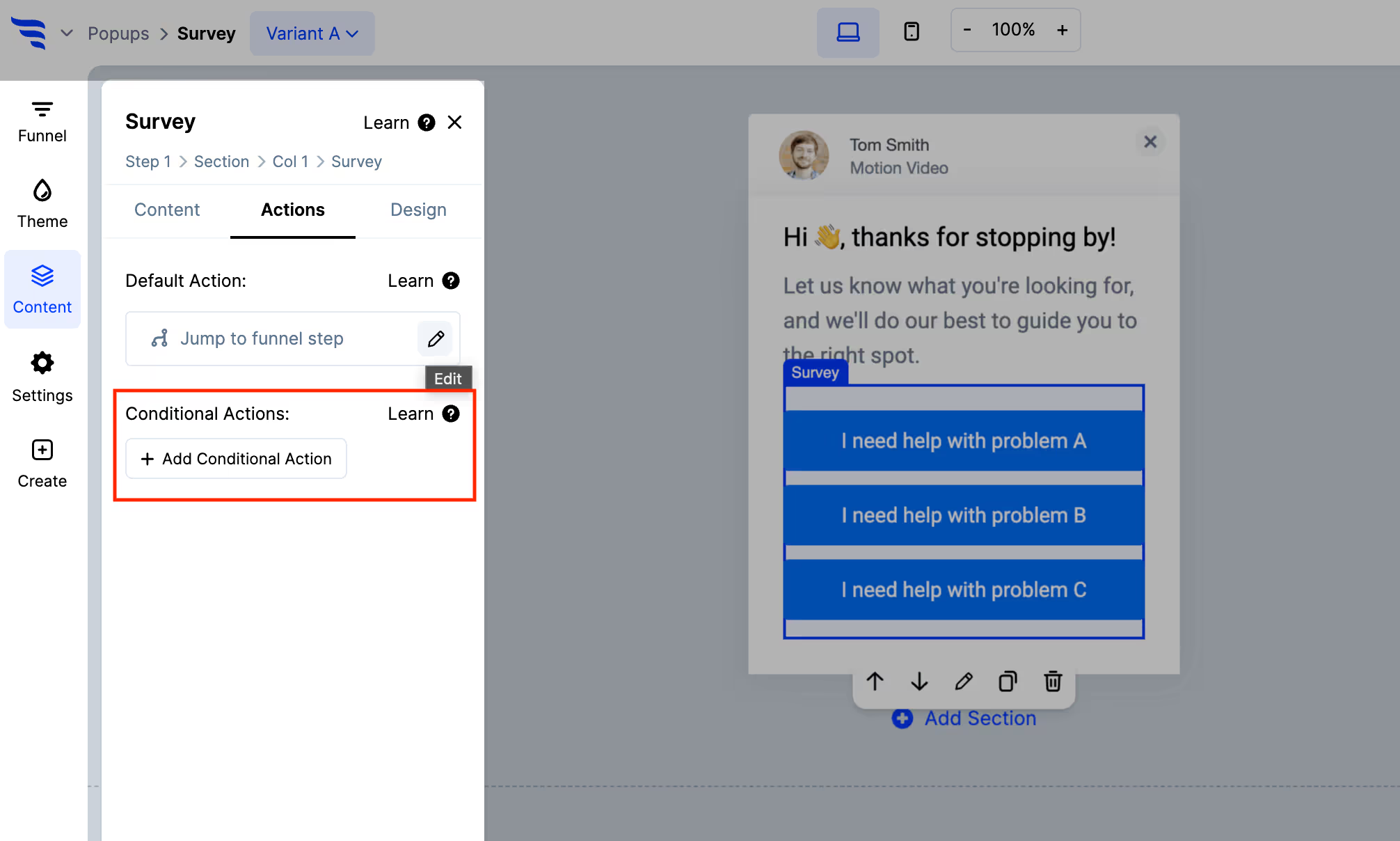
The pattern most teams settle on:
- Low score — ask what went wrong, in their own words, and tag the contact so support can follow up
- Middle score — ask what would have made it better
- High score — ask for a review, or invite them to a referral programme
Asking a dissatisfied customer for a review is the error this prevents, and it's a common one.
Step 6: Write the score to the contact record
Use the Map to custom field setting to store the rating on the contact in your email platform or CRM.
A satisfaction score that lives only in a survey dashboard tells you the average moved. A score on the contact record lets you exclude unhappy customers from an upsell campaign, or route them to a retention flow — which is where the value actually is.
Step 7: Ask at the right moment
Target the survey so it appears where the experience happened:
- After an order — on the confirmation page, while it's fresh
- After a support interaction
- On a returning visit — for a relationship measure rather than a transaction one
With your platform connected, you can also target by segment so a question goes to the cohort it's about.
Step 8: Read the distribution, not the average
.avif)
An average hides the shape. A 4.0 made of mostly 4s is a different business from a 4.0 made of 5s and 2s — the second has a segment with a specific problem, and the average will never show it.
Read the answer distribution, and read the free-text follow-ups from the low scores. That's where the actionable detail is.



%20(1).avif)




.svg)
