




Why asking on-site changes the answers
The default survey is an email sent afterwards. On-site surveys differ in three ways that all matter.
Higher response rates. One question in context, answered in a click, beats an email asking for five minutes — by a wide margin.
Less recall bias. A question asked during the experience measures the experience. Asked four days later, it measures memory.
Less sample bias. Emailed surveys are answered mostly by people with a complaint or unusual loyalty. On-site catches the ordinary middle, which is where most of your customers are.
The limitation, stated plainly
You only hear from people on your site.
That excludes anyone who bounced, anyone who left for a competitor, and anyone who never arrived. On-site surveys tell you about your engaged visitors, and it's easy to mistake that for your market.
It matters when the question is about why people don't do something — the people who most exemplify that answer aren't there to give it.
Step 1: Pick the moment, not the page
The most common mistake is a site-wide survey asked of everyone. It gets low-quality answers from people the question doesn't concern.
Placements that work because the question is obviously relevant:
- Pricing page — "what's holding you back?"
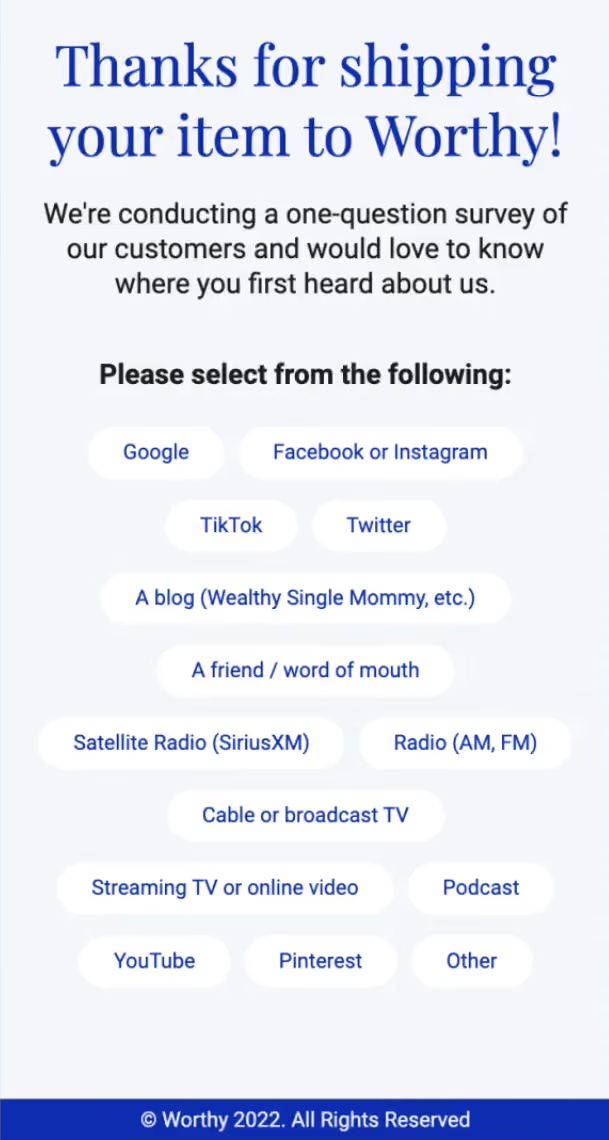
- Order confirmation — "how did you hear about us?"
- Category page — "what are you looking for?"
- Cancellation or unsubscribe flow — "why are you leaving?"
- After support contact — "did we sort it?"
Step 2: Add the survey element
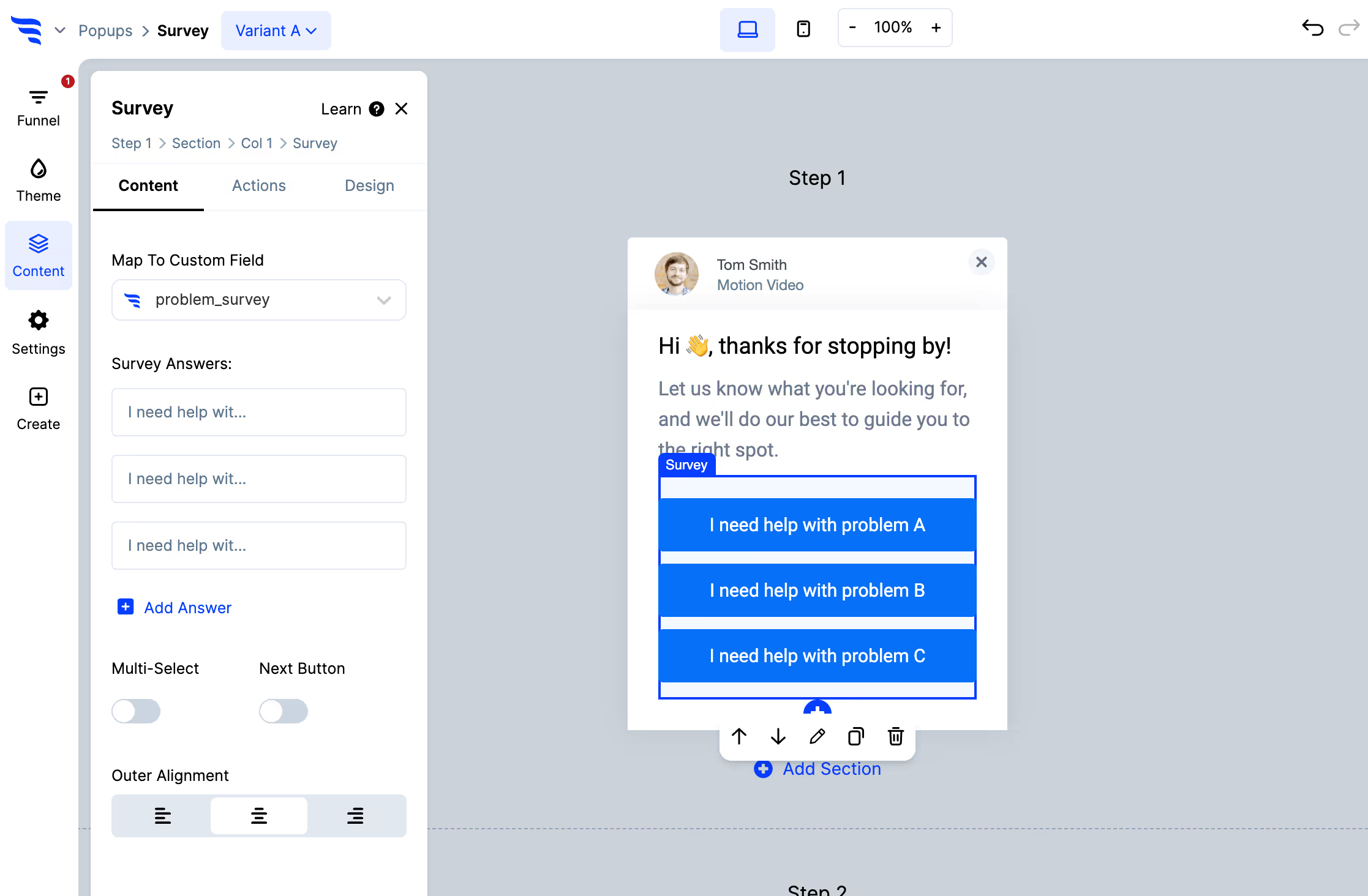
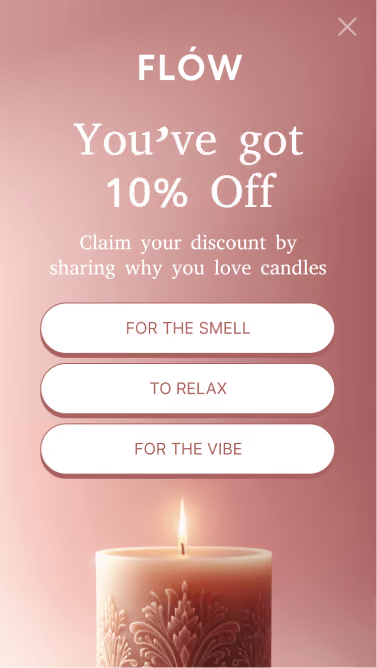
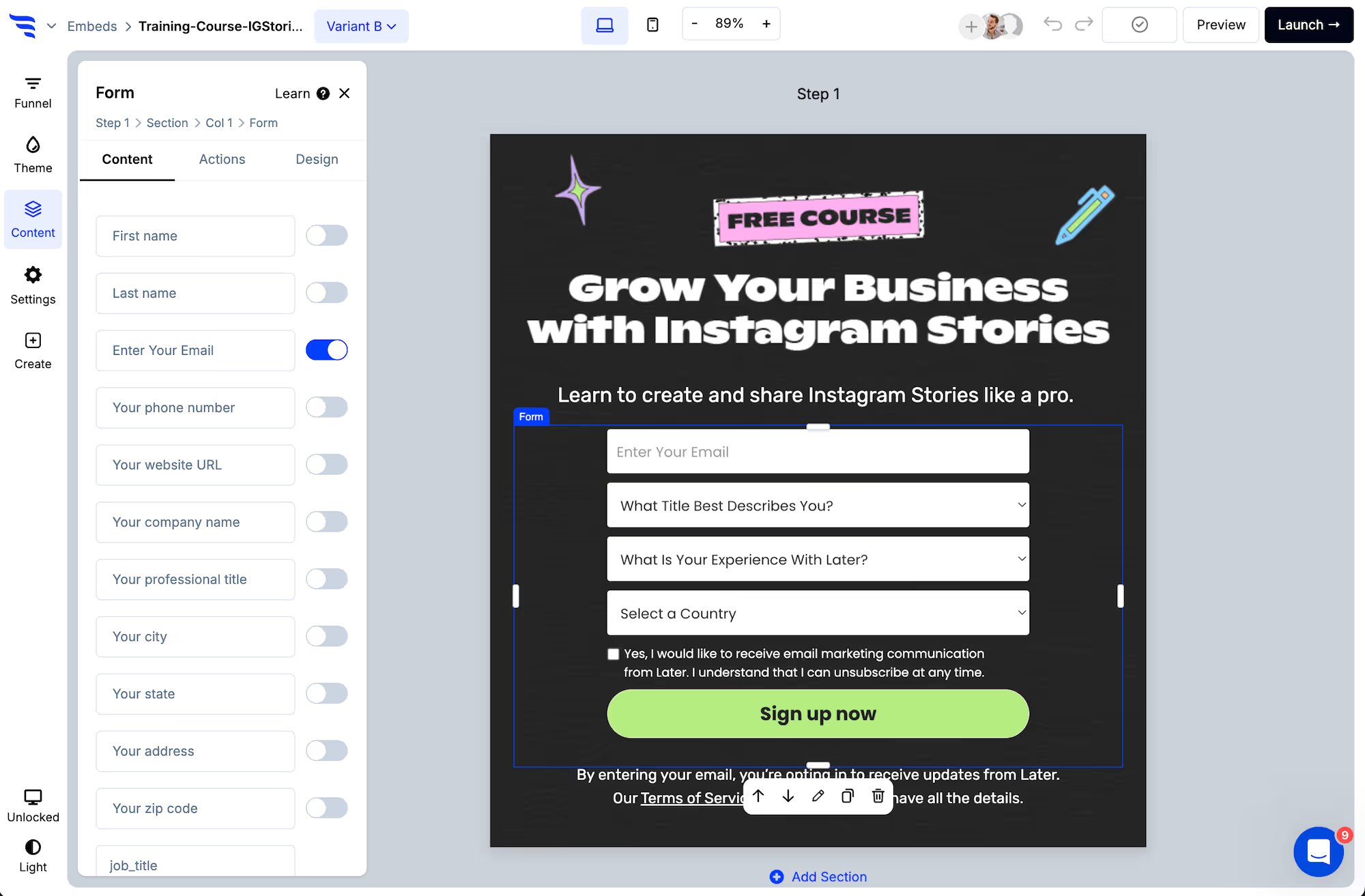
Add it as an embed for a persistent question, or a popup for one tied to a moment. Fixed options, one question.
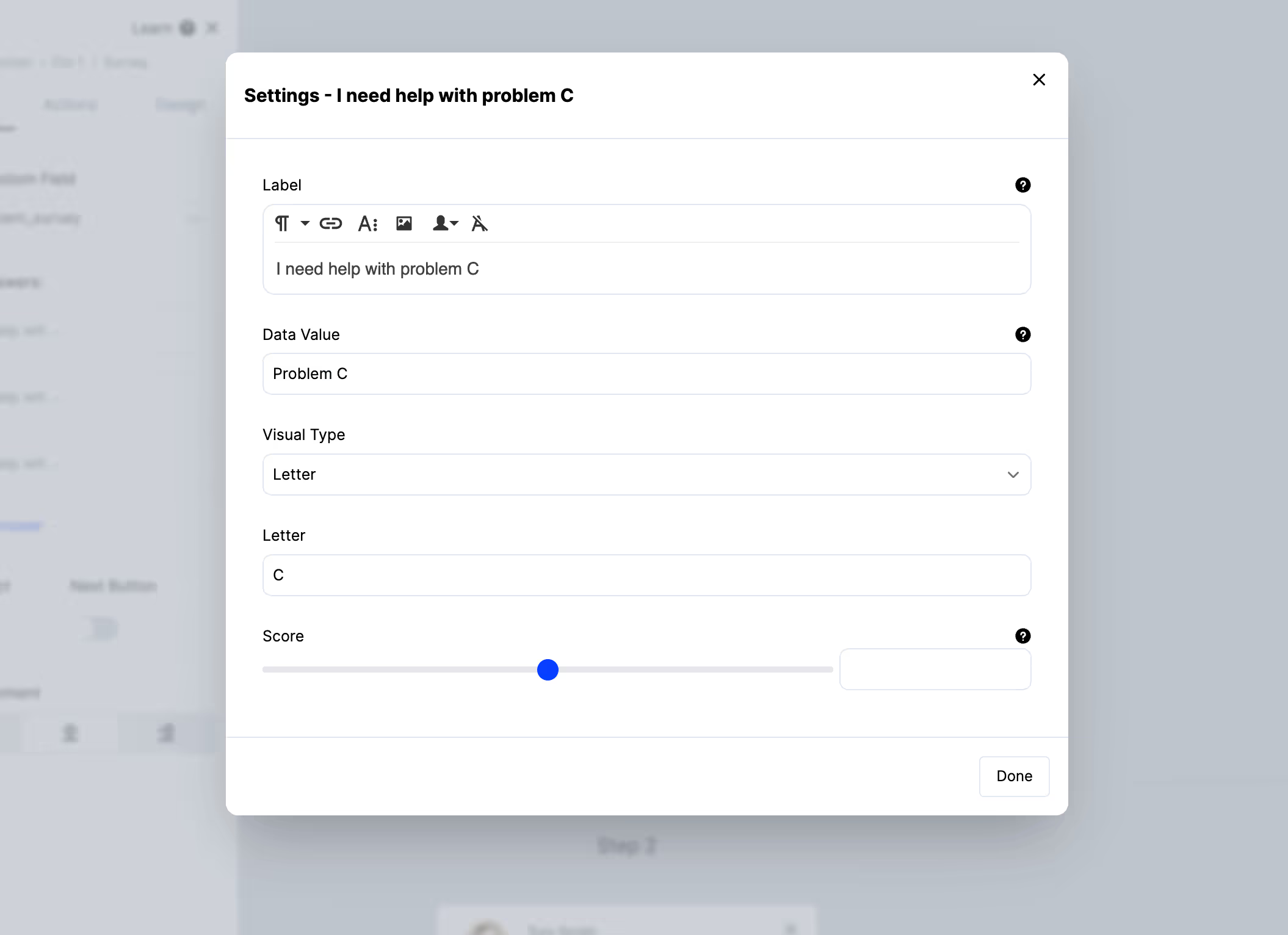
Set the data value separately from the label so answers arrive as clean segment conditions.
Step 3: Style it quieter than your marketing
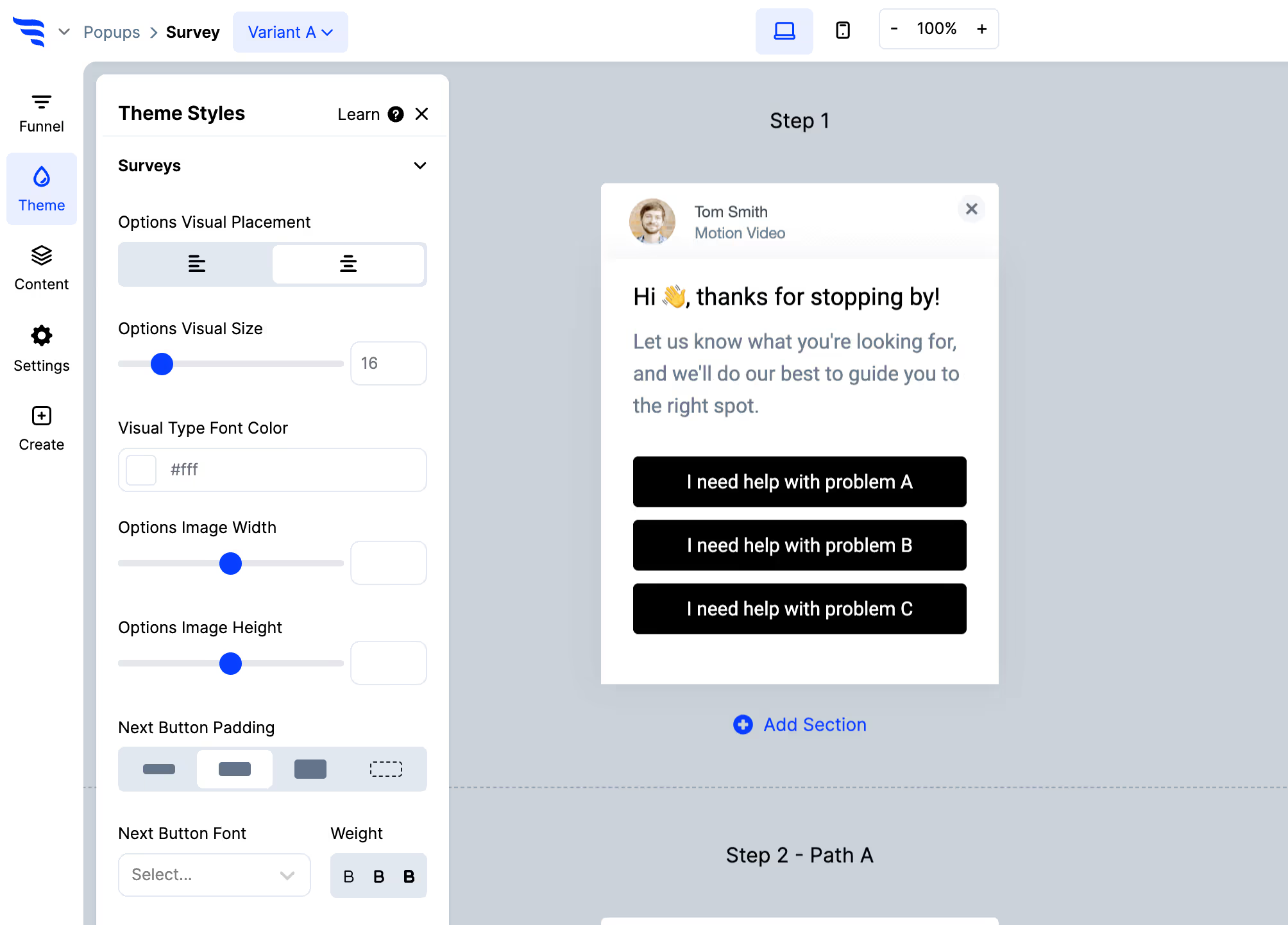
A survey that looks like a promotion gets dismissed like one. It's asking for a favour, and it should look like it.
Step 4: Don't interrupt a task
An on-site survey has a cost an emailed one doesn't: it can get in the way of what someone came to do.
Keep it out of checkout and any other task flow, use a format that doesn't block the page unless the moment genuinely warrants it, and set suppression so a returning visitor isn't asked repeatedly.
Step 5: Write the answer to the contact record
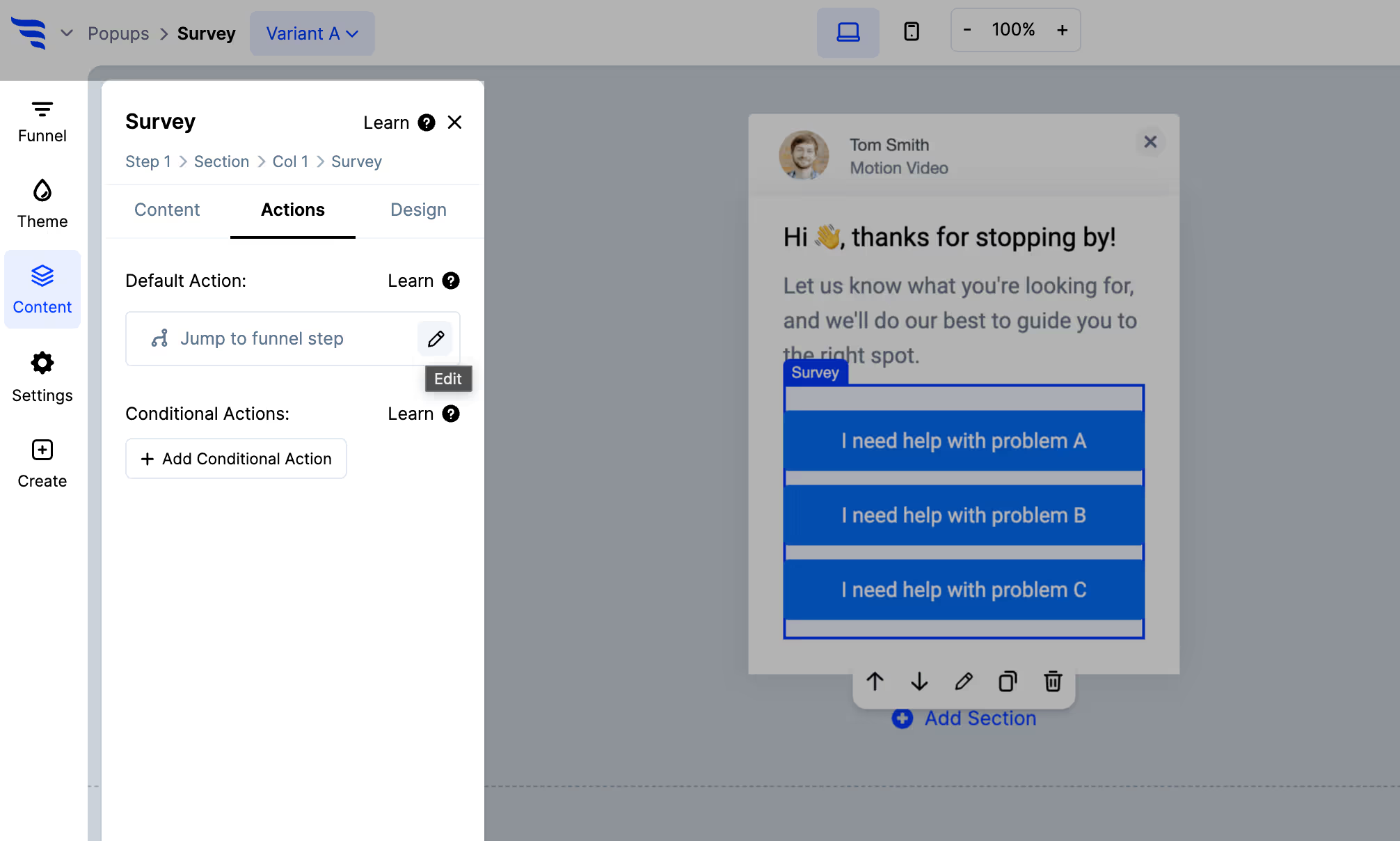
Map answers to fields and tags in your email platform or CRM, so the response can change what that person receives next.
Step 6: Branch on the answer
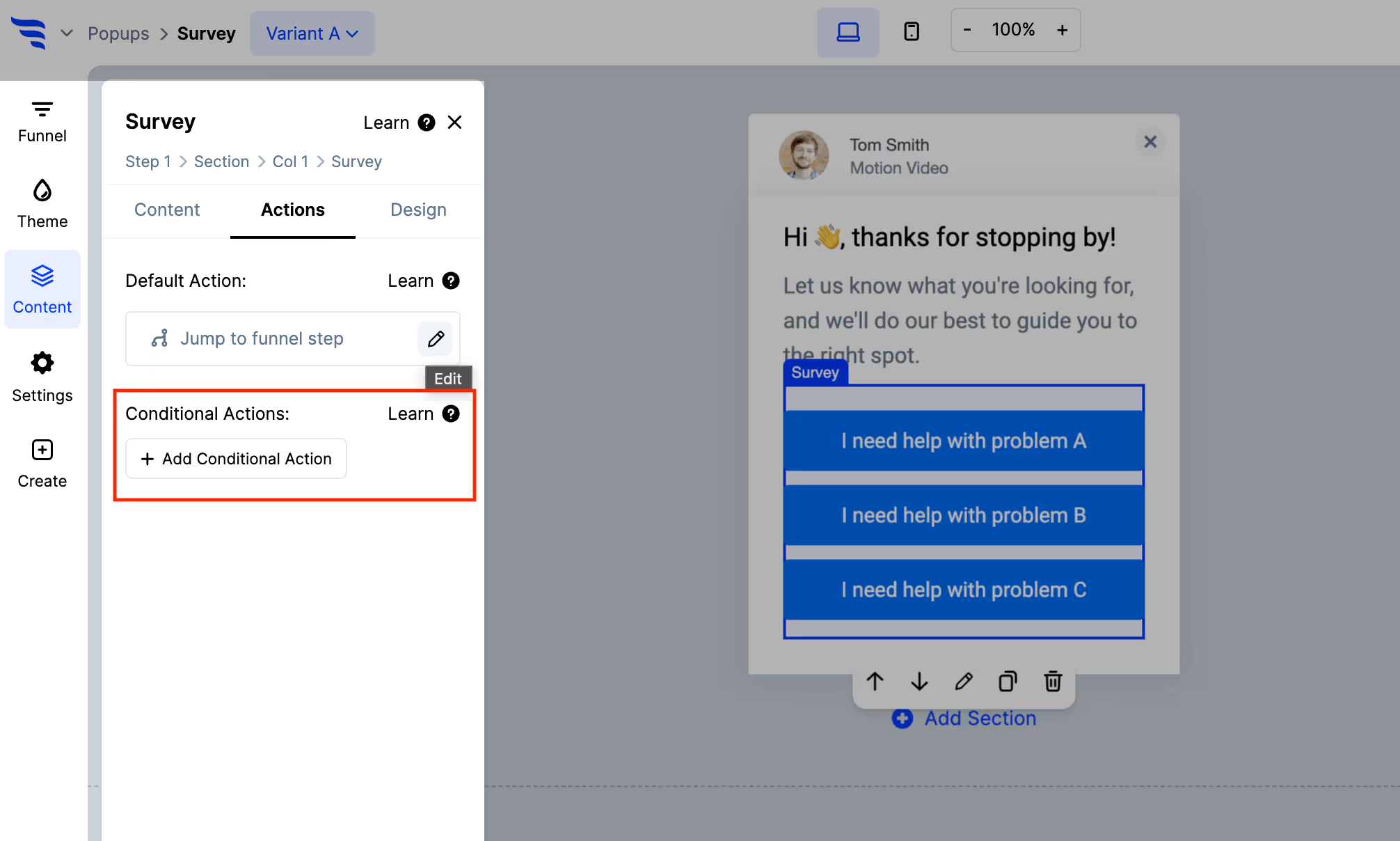
A negative answer can trigger help; a specific need can lead to a matching recommendation. This is the advantage on-site has over email — you can respond immediately, while they're still there.
Step 7: Target who gets asked
With your email platform or CRM connected, show the survey to a defined segment rather than all traffic — so answers arrive attached to records you already understand.
Step 8: Read the distribution
.avif)
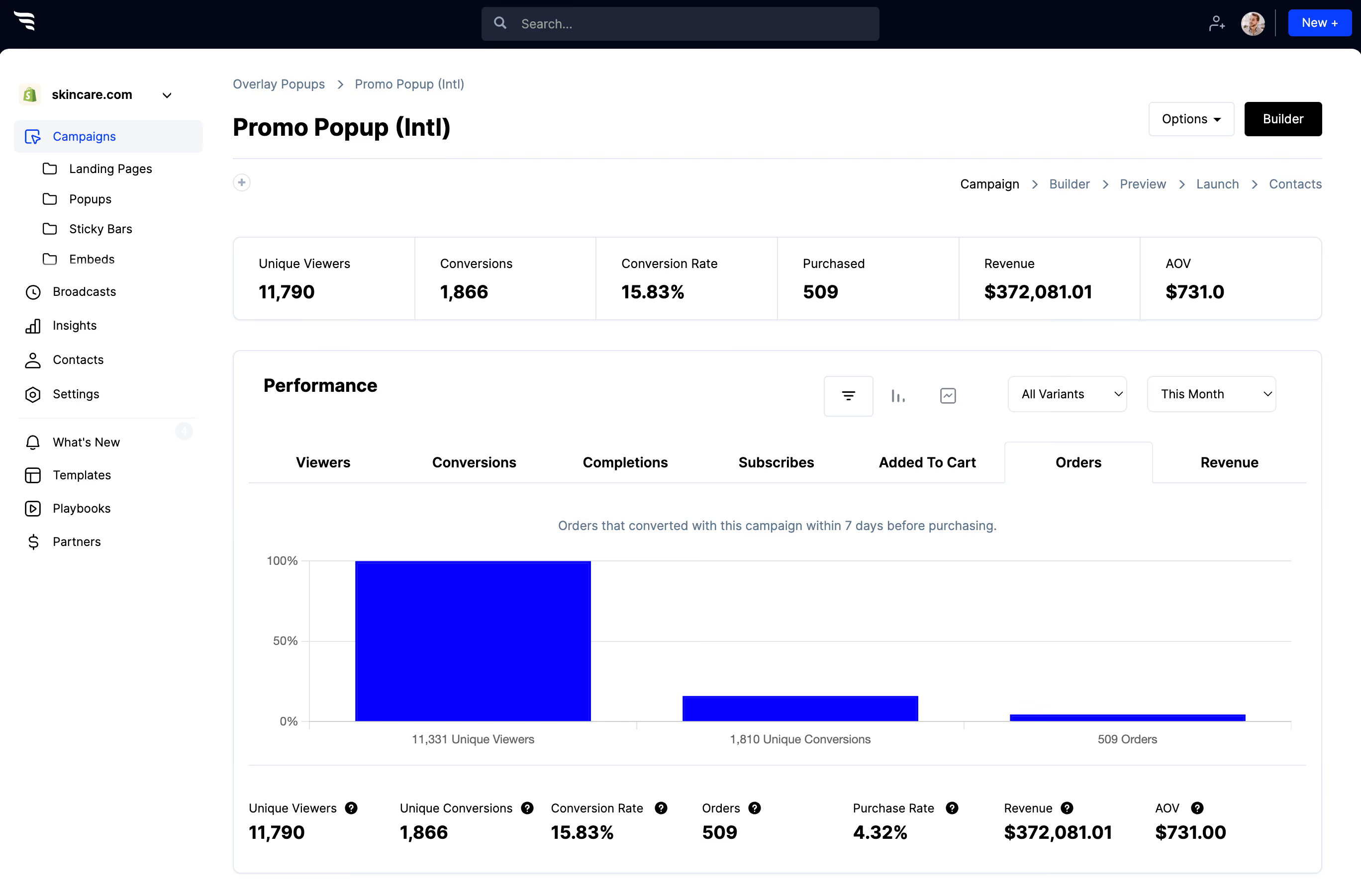
If one option takes nearly everybody, the question isn't discriminating and isn't earning its place. If answers spread across several options, you've found a real axis — use it for segmentation.



%20(1).avif)





.svg)
