




Why the confirmation page is the best moment on the site
Three things are true at once immediately after an order, and they're never all true again.
The sale is complete. Nothing you ask can cost you the conversion, which is not the case anywhere else in the funnel.
The customer is in a good mood. They've just bought something they wanted.
The decision is fresh. Ask a week later and you're testing recall.
That combination makes it the highest-response-rate survey placement on any store — and the one most stores leave as a plain thank-you page.
Step 1: Pick one question
The discipline matters more here than elsewhere, because the temptation is to use a captive audience for research.
The four that earn the slot:
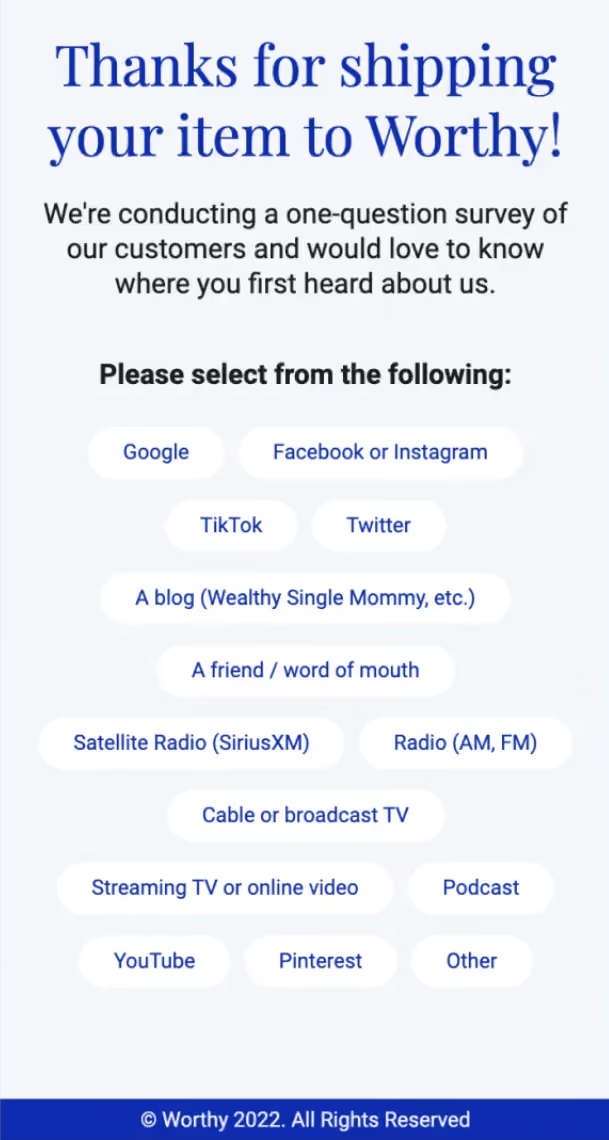
- "How did you hear about us?" — attribution your analytics can't see
- "What nearly stopped you buying?" — objections from people who overcame them
- "What are you using this for?" — segmentation for future campaigns
- "How was the checkout?" — friction diagnosis
Pick one. A confirmation page with a five-question survey converts a moment of goodwill into an obligation.
Step 2: Add the survey
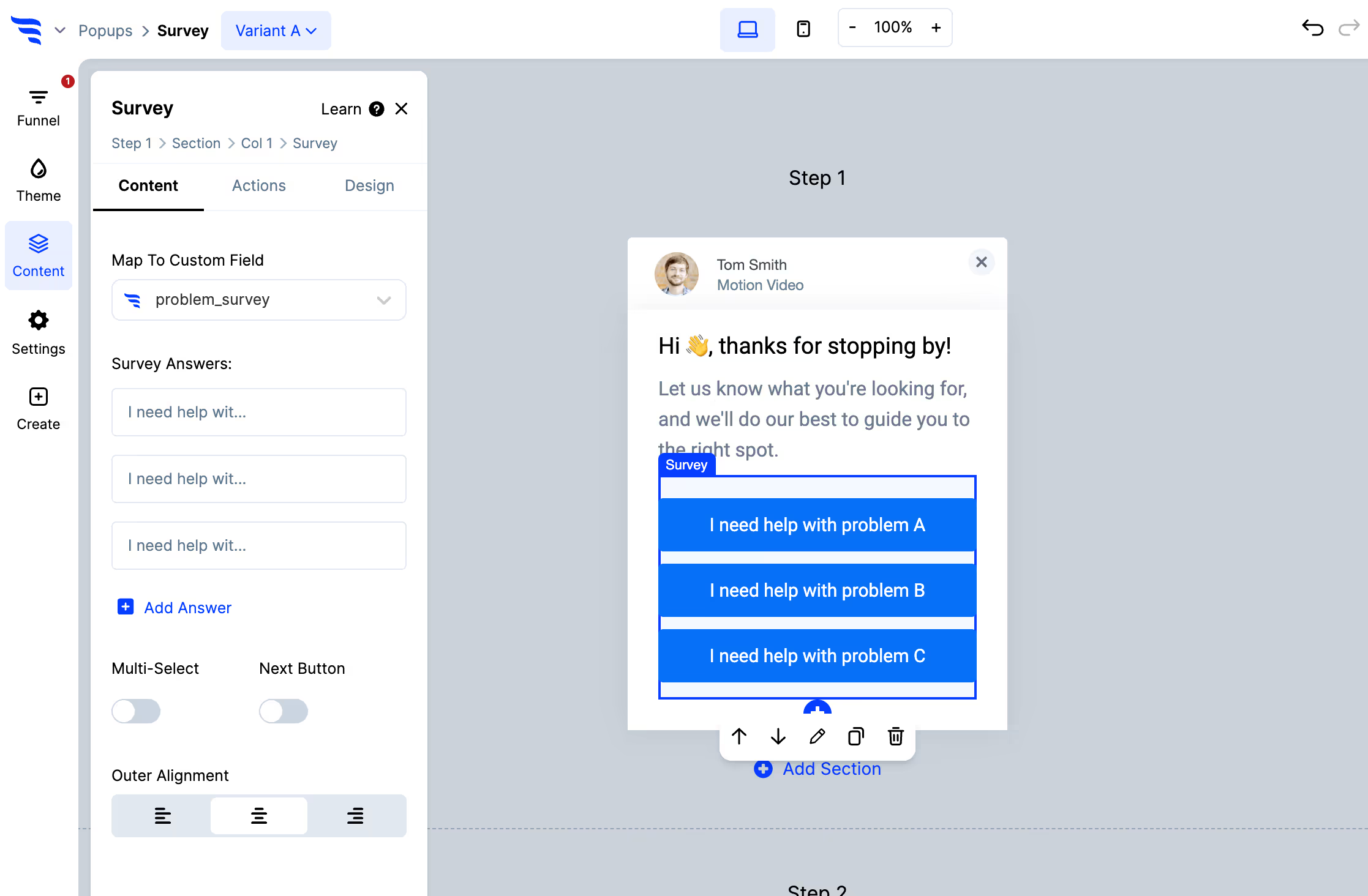
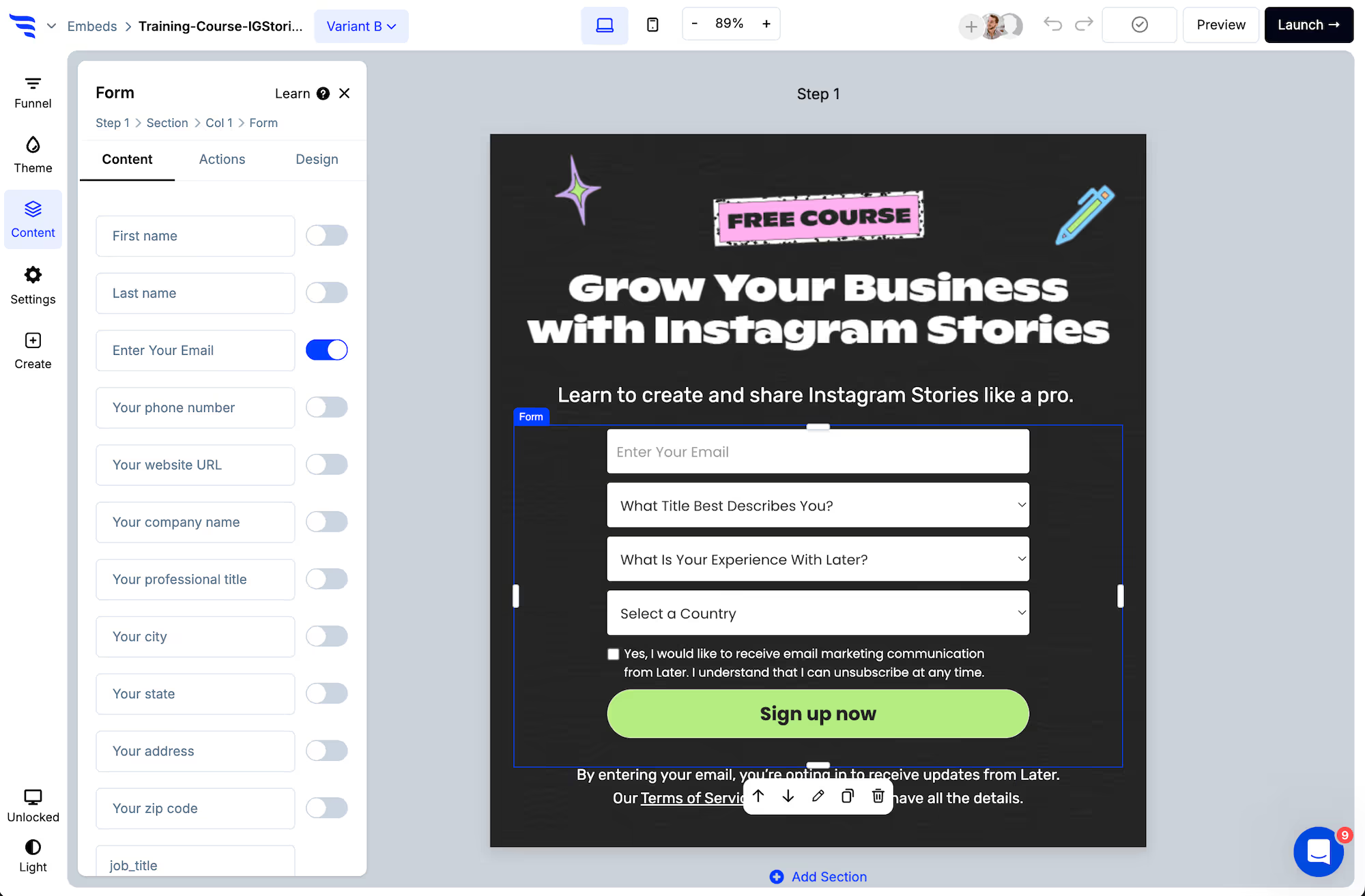
Add a survey element to an embed or popup on your order confirmation page.
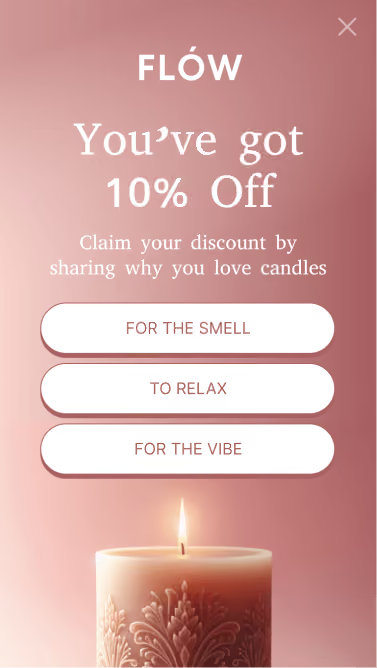
Use fixed options rather than free text. "How did you hear about us?" with six options gets answered; the same question as an open box mostly doesn't — and the answers that do come back are hard to aggregate.
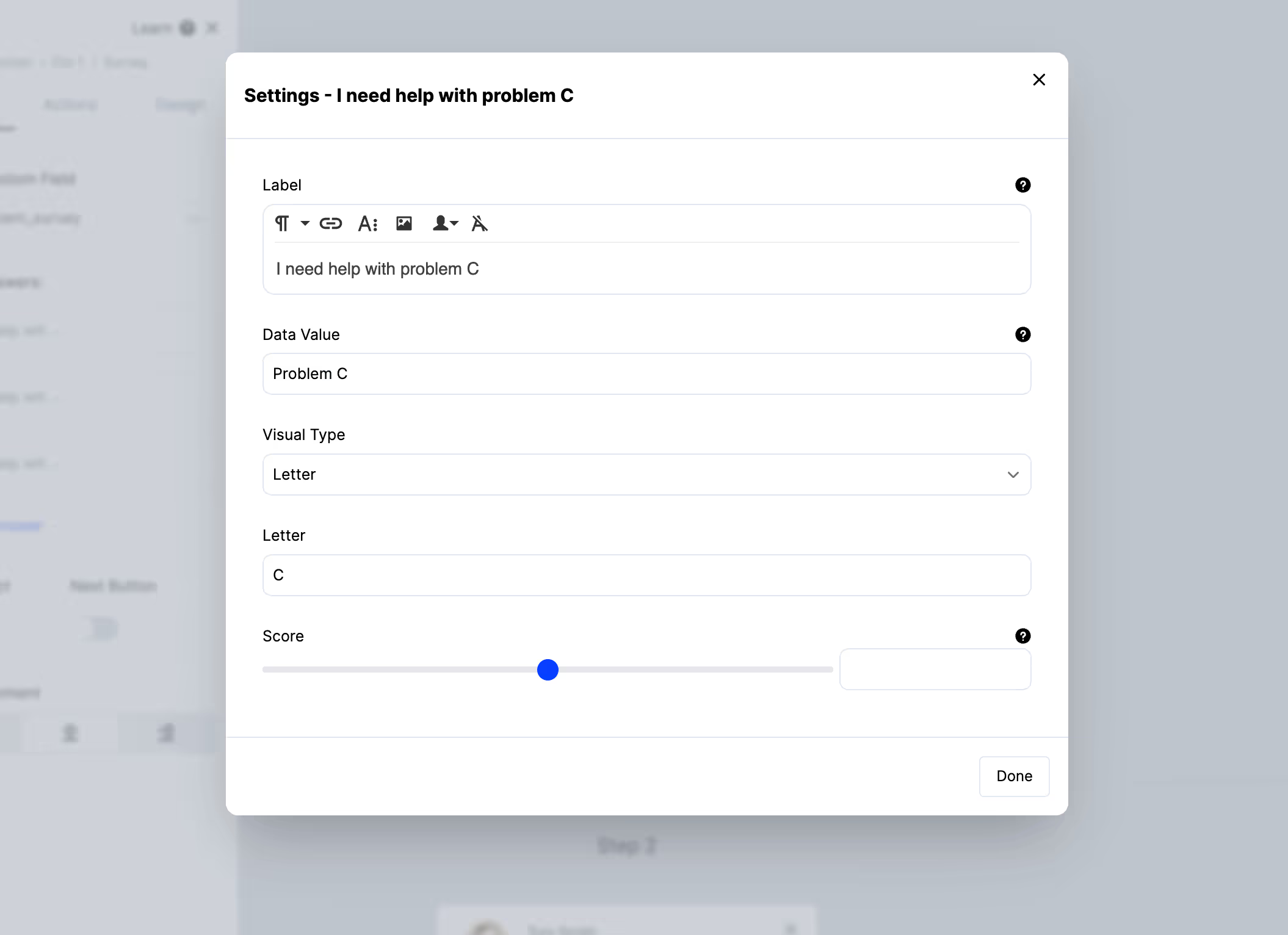
Set the data value separately from the label so "A friend recommended you" stores as word-of-mouth — readable to the customer, usable as a segment condition.
Step 3: On attribution, know what you're getting
Self-reported attribution has recall bias. People under-report ads and over-report the last thing they remember, and someone who saw a paid post then searched your brand will often say "Google".
It's still worth asking, for one reason: it's the only way to see channels your platforms can't measure at all. Word of mouth, podcasts, print, a friend's recommendation — none appear in a UTM.
Treat it as directional, read it alongside your platform data rather than instead of it, and don't reallocate budget on it alone.
Step 4: Style it as part of the page
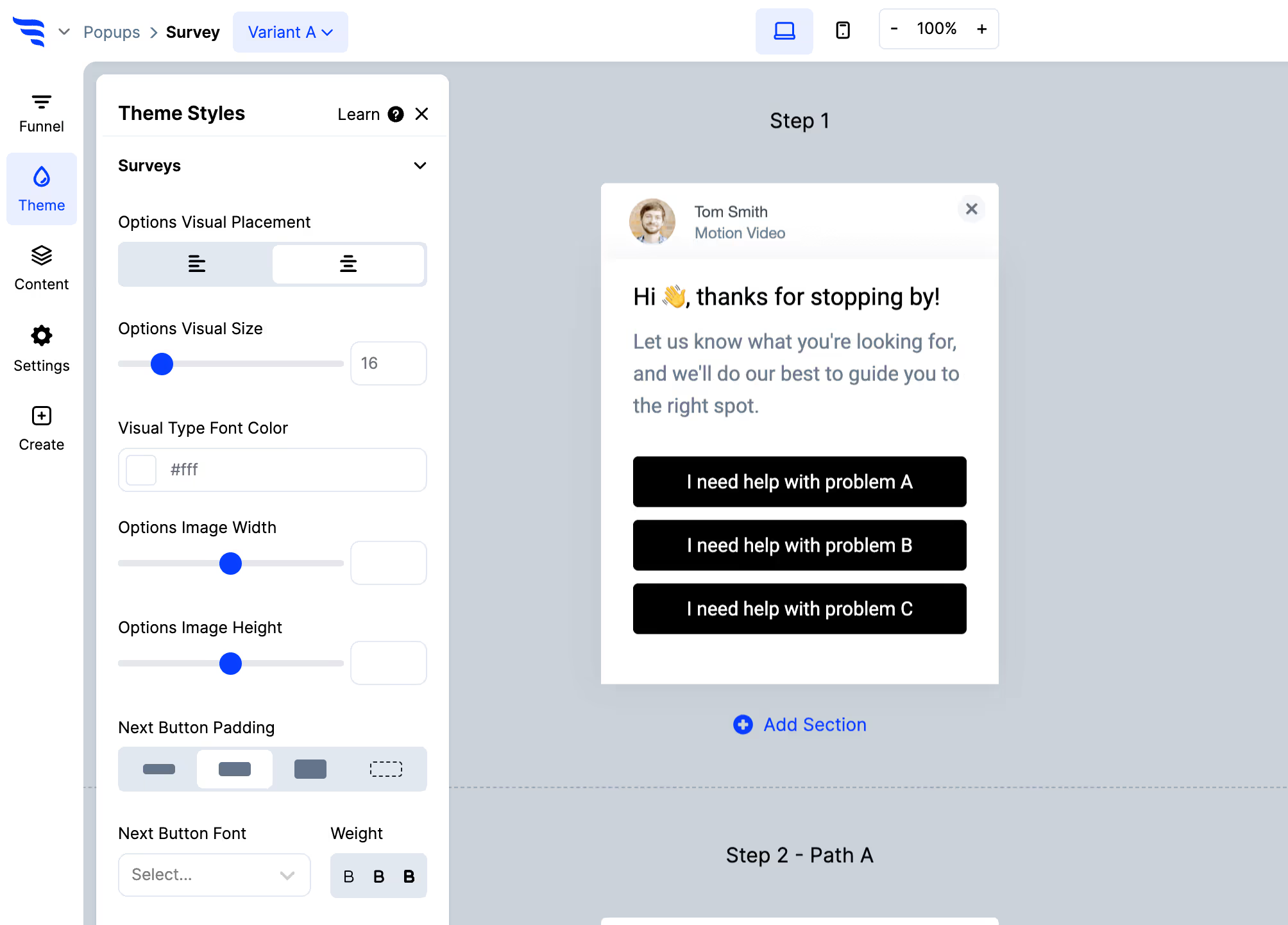
The confirmation page is a trust moment. A survey that looks bolted on undercuts it — match your store's styling exactly.
Step 5: Write the answer to the customer record
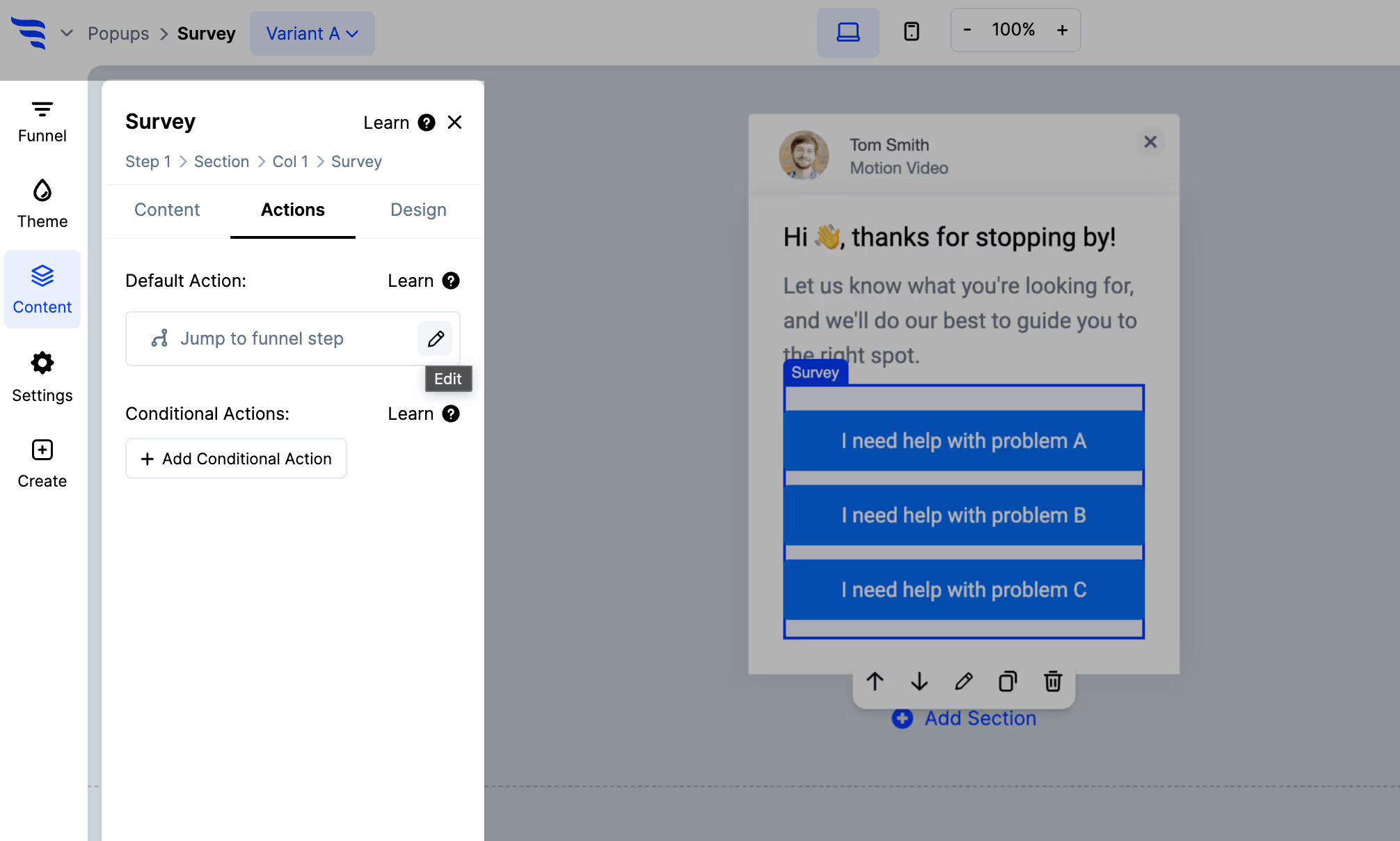
Map the answer to a field or tag in Klaviyo, Postscript, Omnisend or your CRM.
This is what separates a survey from a report. An attribution answer on the customer record lets you compare lifetime value by acquisition channel — which is a far better question than "how many orders did this channel produce".
Step 6: Follow up conditionally
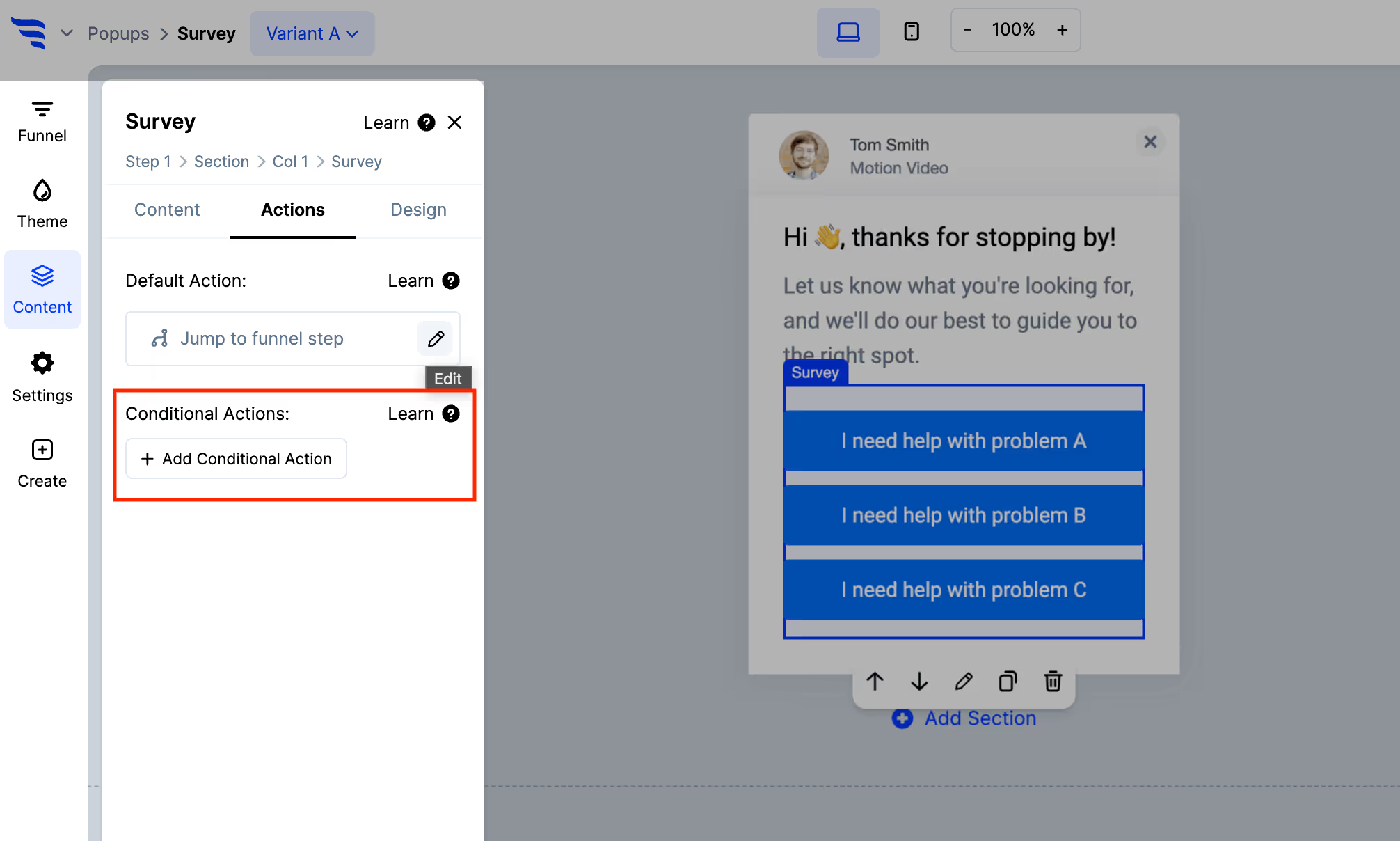
The answer can change what happens next. Someone who says a friend recommended them is a good candidate for a referral programme; someone who mentions a specific use case can be tagged into a matching flow.
Step 7: Read it as a trend, not a snapshot
.avif)
Any single month's attribution mix is noisy. The value is in the movement — a channel climbing over a quarter, or word of mouth rising after a product change.
The absolute percentages will never be exactly right. The direction usually is.


%20(1).avif)




.svg)
