




Most feedback surveys fail at the question, not the tool
The tooling for surveys is not the hard part. Response rate and answer quality are, and both are decided by how you ask.
Four things account for most of the difference.
1. Length — ask one thing
The strongest lever available, and the hardest to accept.
A one-question survey in context gets answered by people who would never open a form. Every additional question up front costs responses — and a survey abandoned at question four gives you nothing, not even the first answer.
If you need more, ask conditionally after the first answer rather than adding to the front.
2. Timing — ask at the moment
A question asked immediately after the experience measures the experience. The same question a week later measures memory of it, which is a different and worse thing.
It also changes who replies. An emailed survey days later is answered mostly by people with a complaint or unusual loyalty; the satisfied middle ignores it, and your data is skewed before you read it.
3. Format — fixed options beat open text
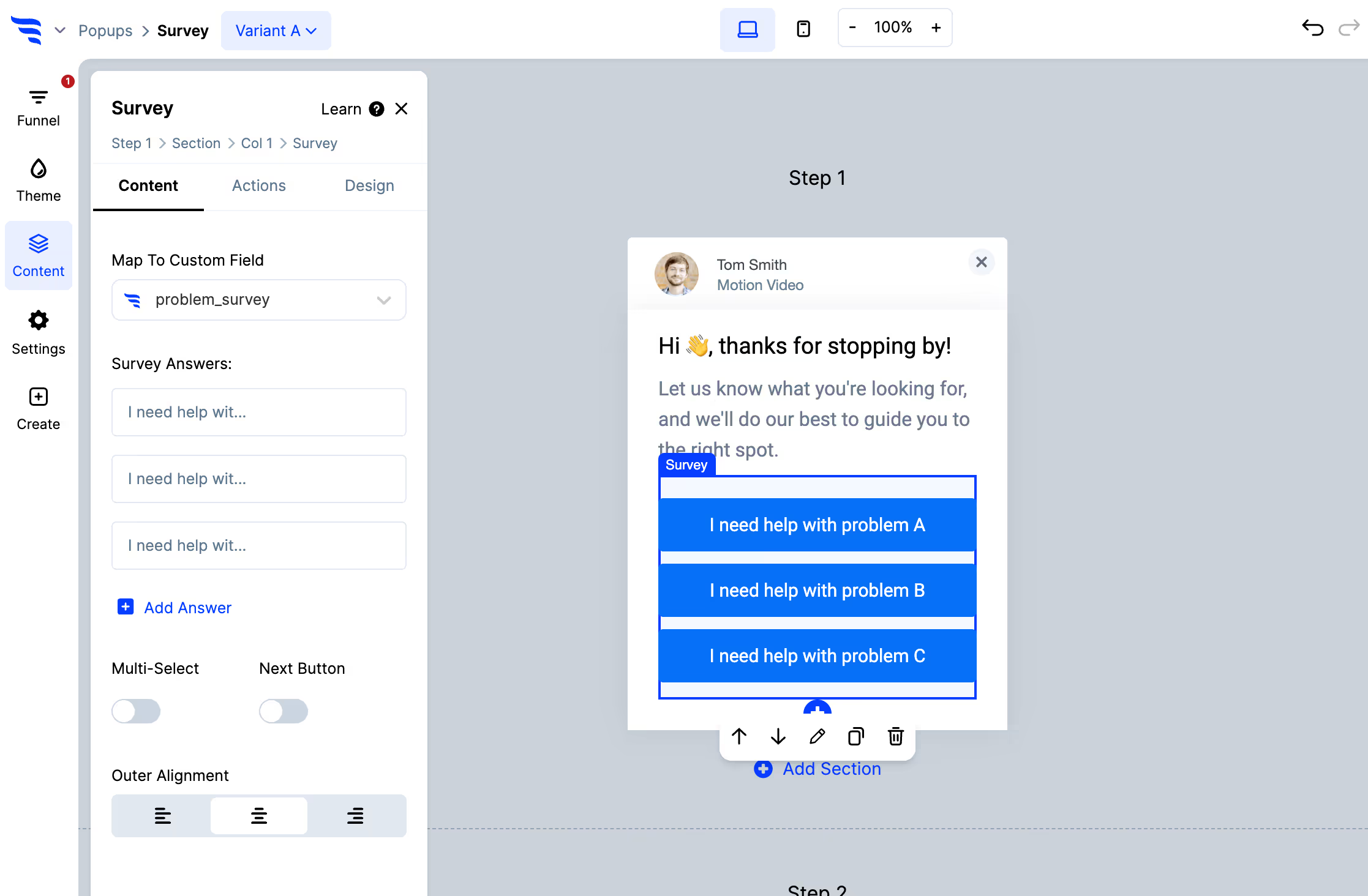
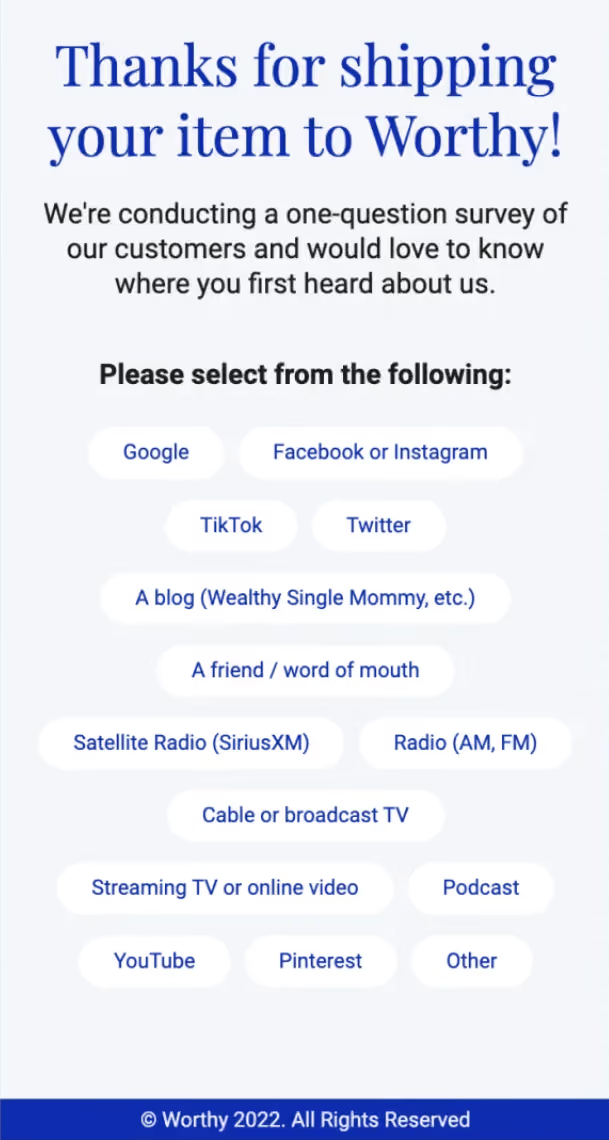
Open text gets a fraction of the responses that multiple choice does, and what comes back is hard to aggregate.
Use fixed options for the question everyone answers, and reserve open text for a conditional follow-up after a negative response — where the detail justifies the drop.
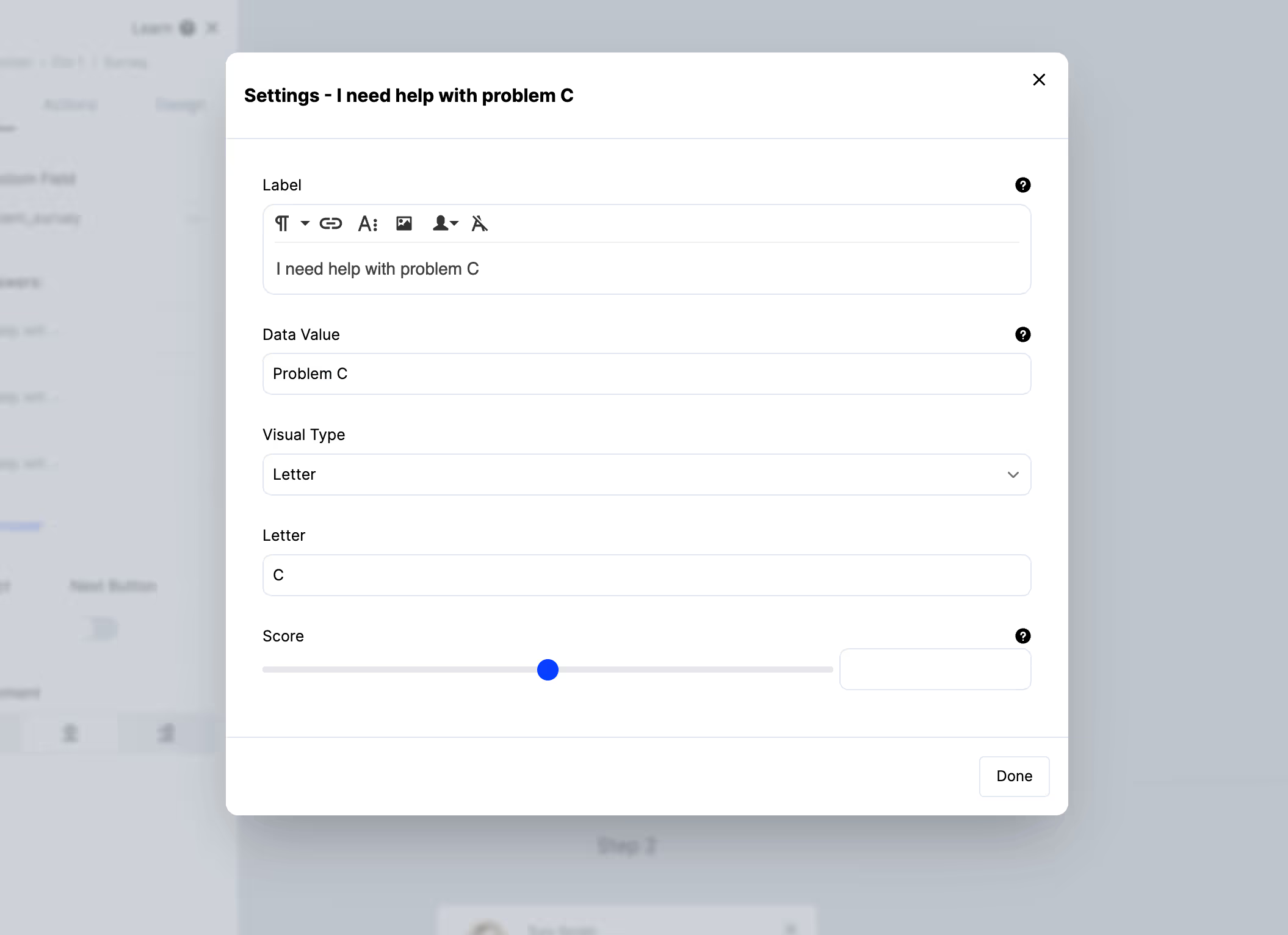
Set the data value separately from the label — the label is what the person reads, the value is what your platform filters on. "It arrived later than expected" as a label, slow-delivery as the value.
4. Wording — don't lead
Two failures worth naming:
Leading questions. "How much did you enjoy our new checkout?" presumes the answer. "How was the checkout?" doesn't.
Unbalanced options. A scale running from "good" to "amazing" produces excellent numbers and no information. If your options don't include a genuinely negative one, you're measuring nothing.
Also cover the real range — if "none of these" would be the honest answer for a third of people, add it, or they'll pick something arbitrary and quietly corrupt your data.
Step 1: Build it
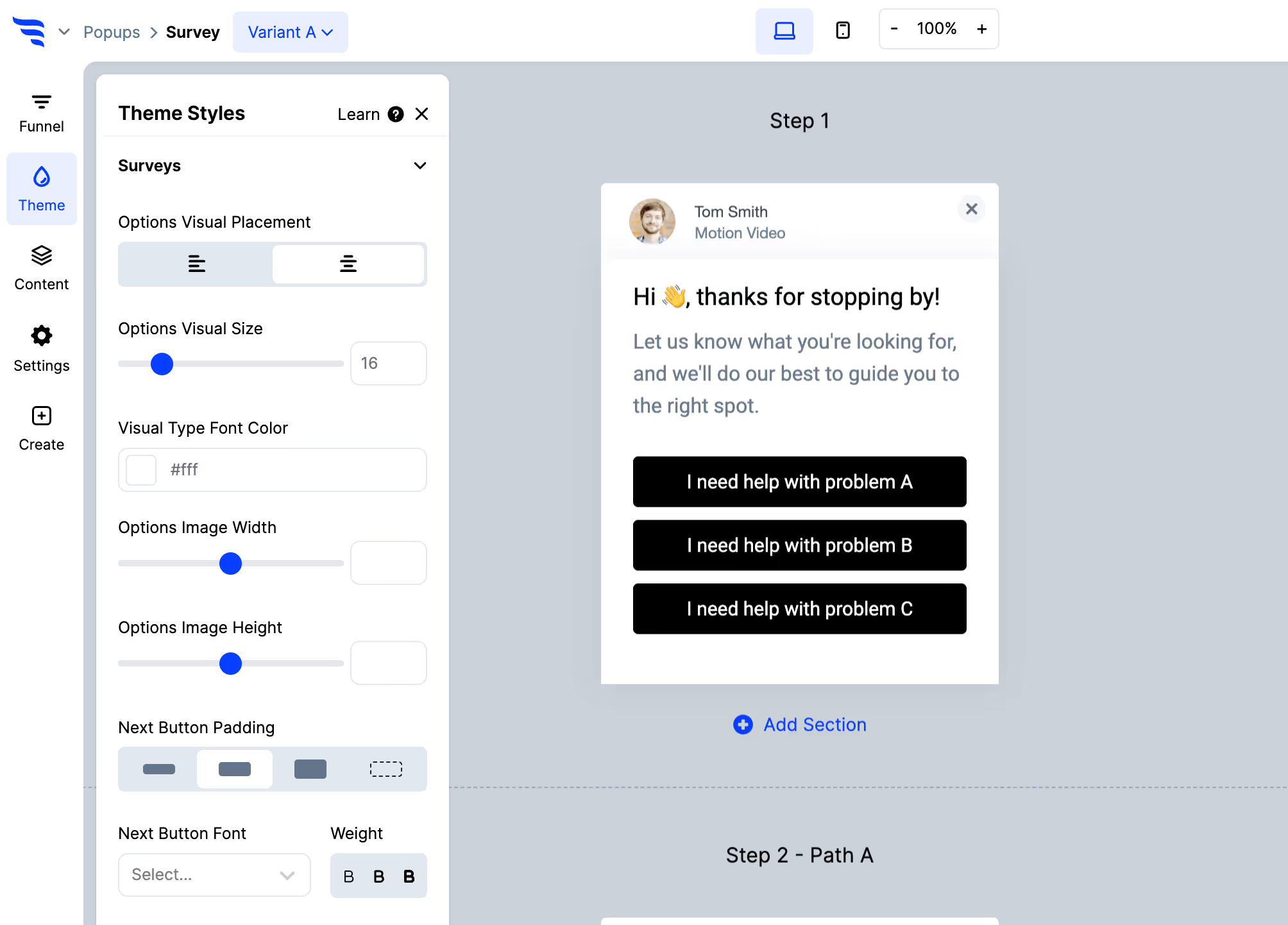
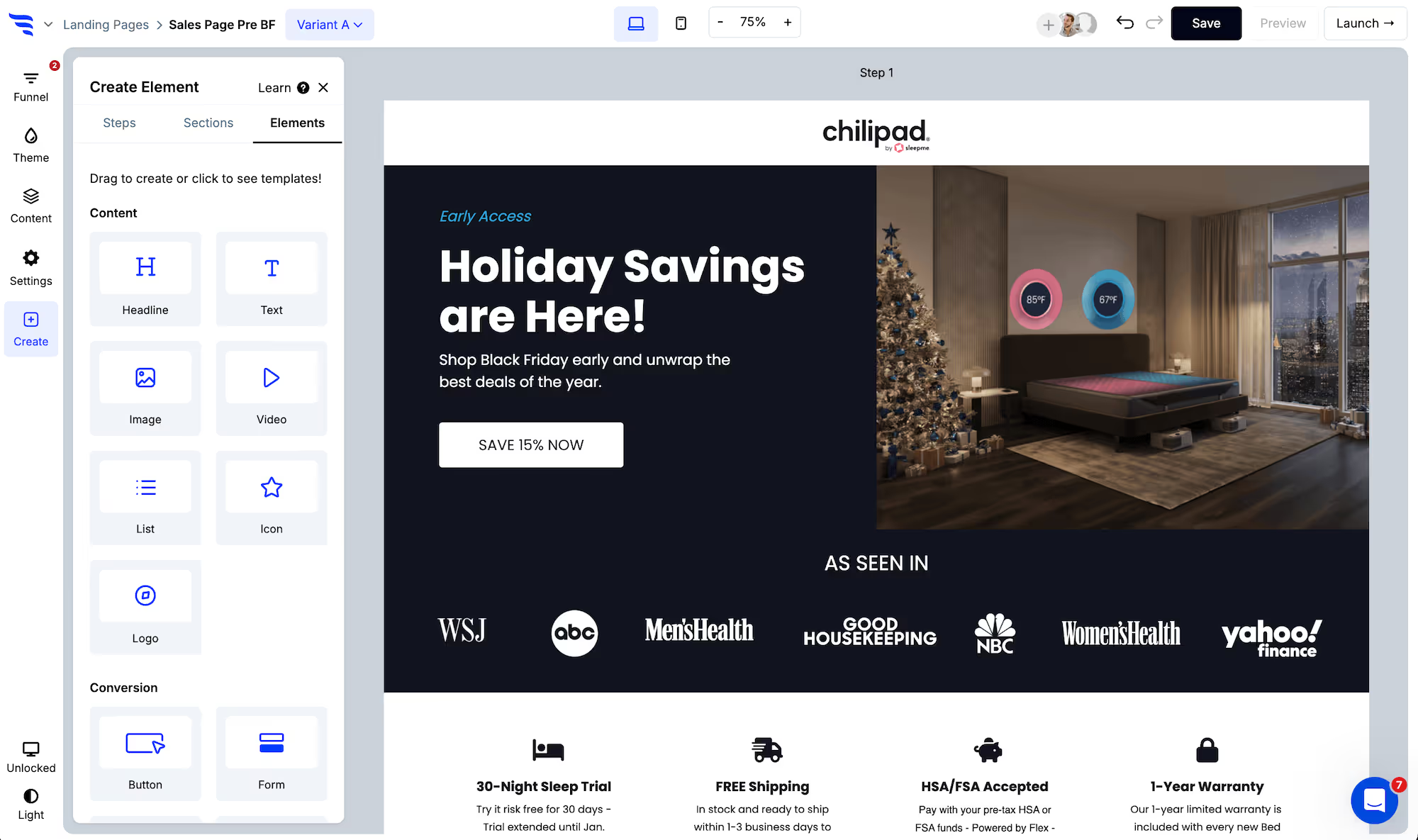
Add a survey element to a page, popup or embed, and style it quieter than your marketing campaigns. You're asking for a favour.
Step 2: Follow up conditionally
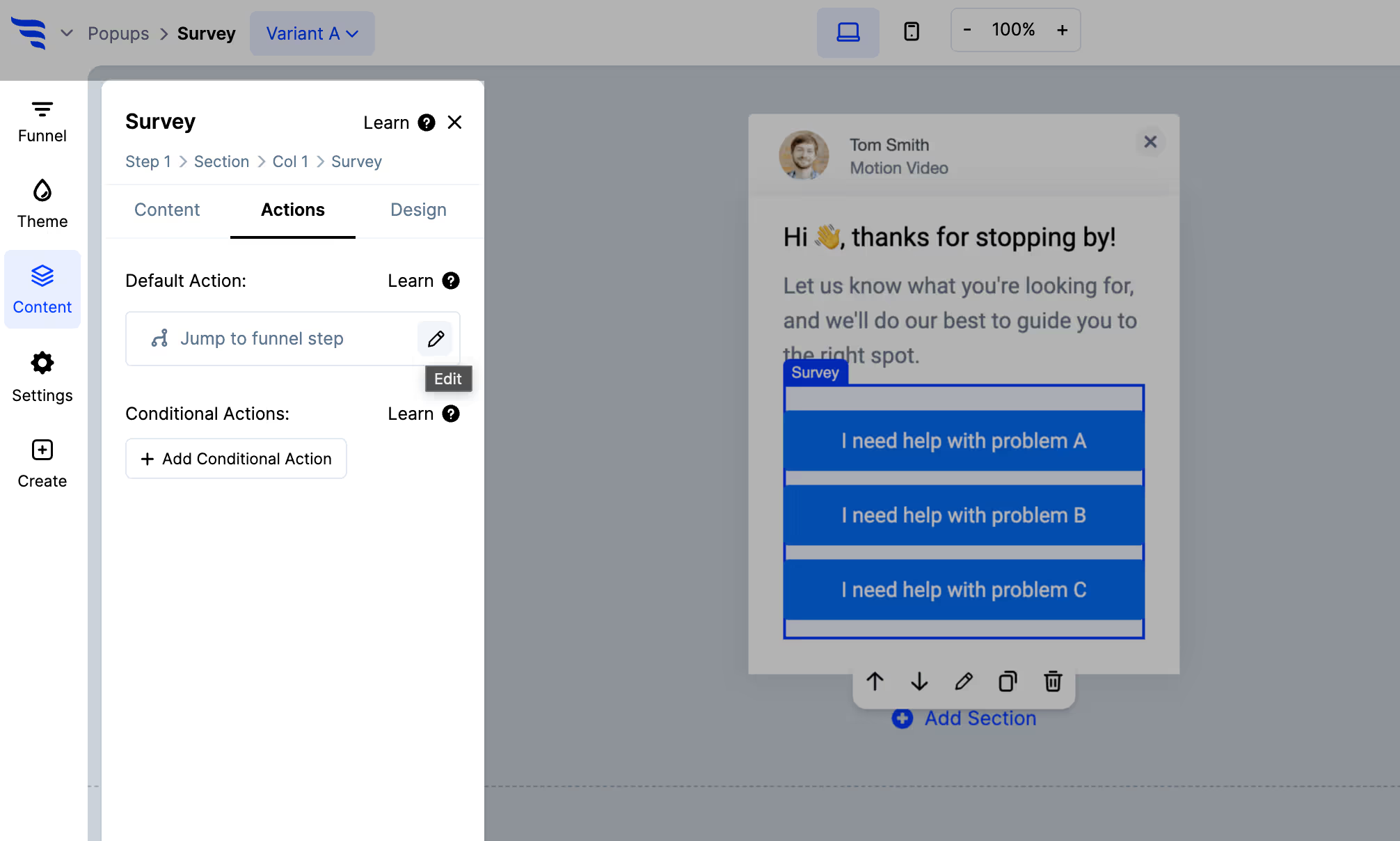
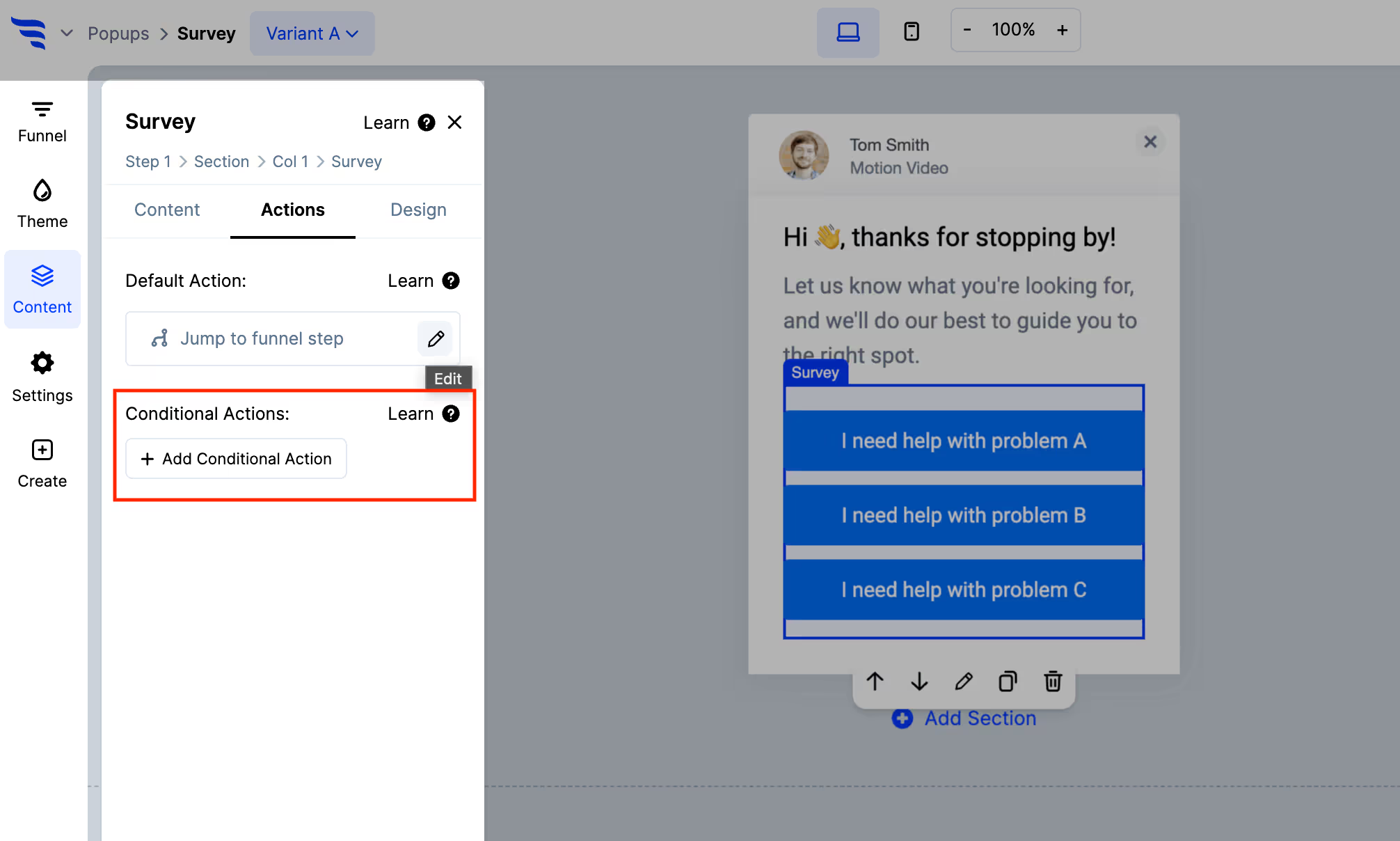
A negative answer earns a follow-up question and a tag; a positive one can lead somewhere else entirely.
Step 3: Make the answer do something
Map each answer to a field or tag in your email platform or CRM.
Feedback that only produces a report changes nothing. Feedback on the contact record can change what that person receives next — which is the entire difference between collecting opinions and running a feedback programme.
Step 4: Read it honestly
.avif)
Two habits worth keeping:
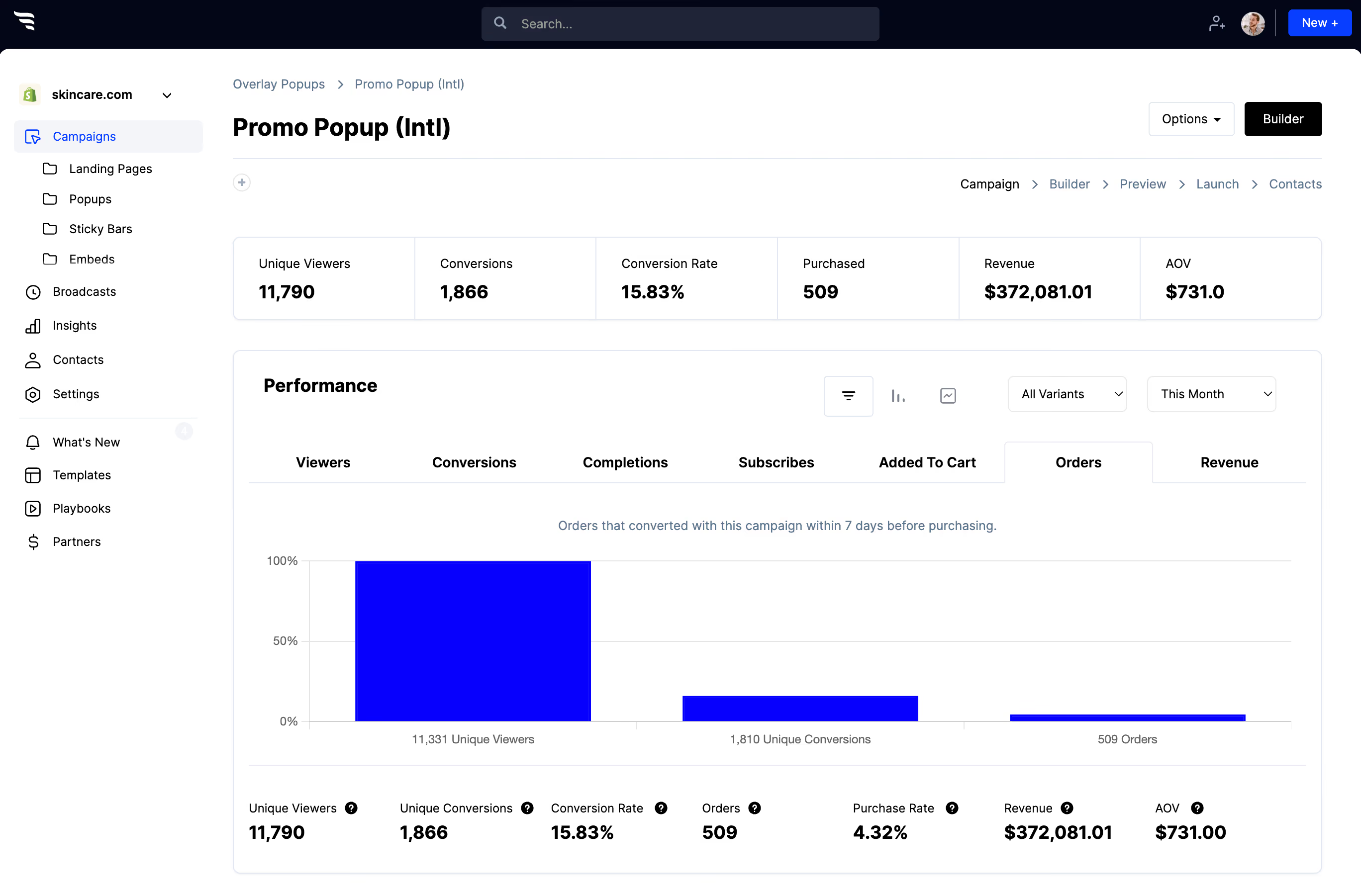
- Read the distribution, not the average. An average hides a segment with a specific problem.
- Remember who didn't answer. Even a well-placed survey hears from a minority, and the silent majority is usually more satisfied than the responders — or less engaged. Either way they're not represented.
If one option takes nearly everybody, the question isn't discriminating and isn't earning the friction it adds.



%20(1).avif)






.svg)
